
7 Key Pediatric Health Checks for Back-to-School
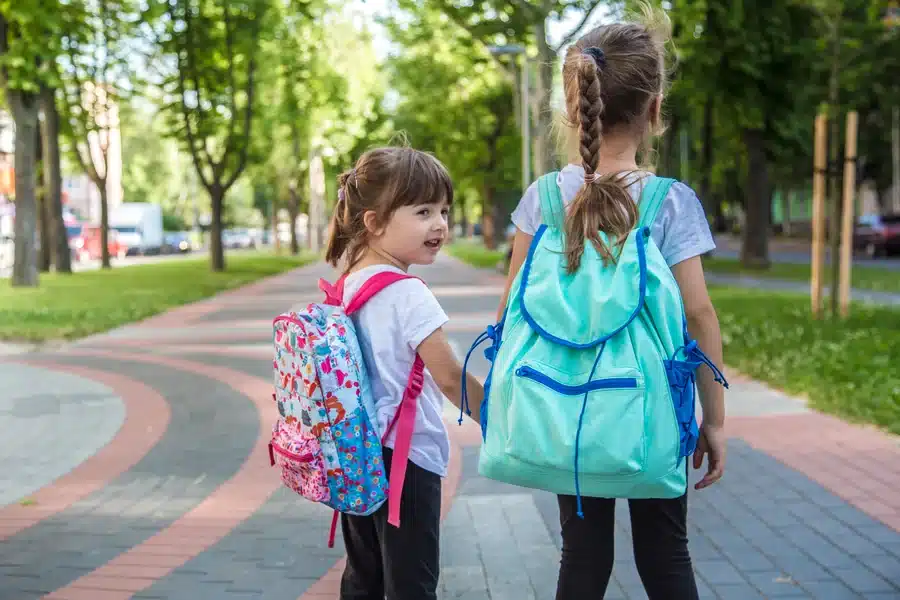
Preparing your kids for back-to-school involves more than buying uniforms and supplies. Health readiness should be a priority because it directly affects how a child functions during the term.
Small gaps like missed vaccines, unaddressed conditions, and poor sleep show up quickly in the classroom. Often, this doesn’t appear as illness but as fatigue and poor focus, which affects their performance.
That’s why back-to-school physicals matter.
A comprehensive check by a professional ensures your kids are physically and emotionally fit. If they are not, they are not ready to return to the classroom. Once school begins, delays put pressure on students. Handling these checks early avoids last-minute clinic visits, incomplete school paperwork, and unnecessary disruptions.
Here are 7 crucial pediatric health checks that set your child up for a healthy, successful school year.
1. School Forms and Medication Plans
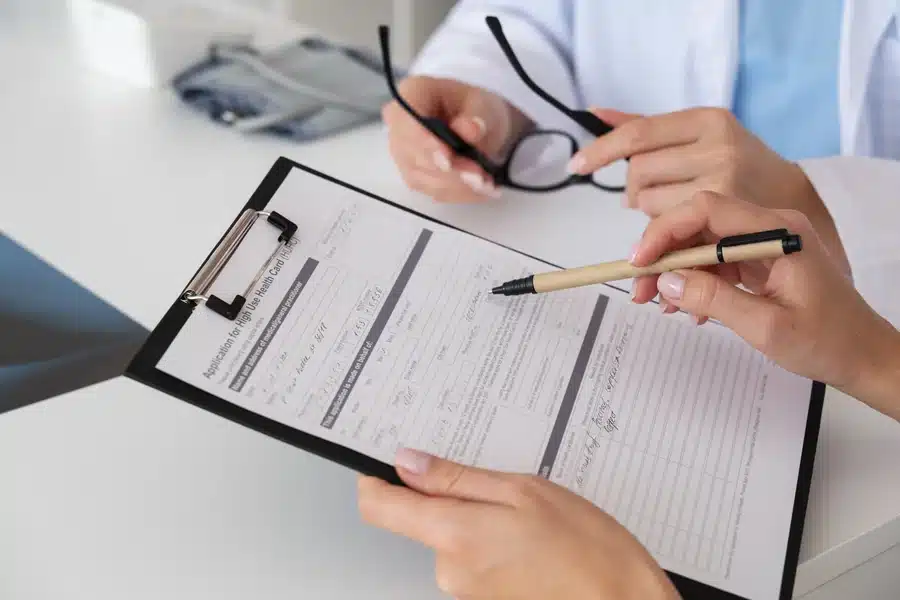
Schools require updated medical forms every year. Old ones do not carry forward. If your child needs medication during school hours, documentation such as a scheduled doctor’s appointment and other paperwork must be completed before the first day.
So, if your kid needs ADHD medications administered at school, has special dietary needs, suffers from an allergy, or needs asthma inhalers, your forms should be complete.
Many parents delay obtaining these forms until school starts, when access to care becomes more limited. Schools cannot legally administer or allow the use of certain medications without the proper forms.
When getting ready for your kid’s back-to-school physicals, always book the appointment early, confirm prescriptions, and complete all forms in advance.
2. Designate an Emergency Contact
Schools require an alternative emergency number to use if you are unavailable. Make sure you have someone who can be reached and inform them so they are prepared to act.
Another detail most parents miss is informing the child. The child should know who that person is to avoid being caught off guard in an emergency. Children who recognise their emergency contact respond faster and with less stress.
3. Make Sure Vaccines Are Up to Date
To keep your child safe from diseases like smallpox, schools require proof of proper vaccination. Vaccines not only prevent contagious or deadly diseases but also keep your child healthy. This shapes their learning experience and builds a strong foundation for a good immune system.
Many families delay well-child visits until school deadlines approach, leaving vaccinations incomplete. Schools usually allow a short grace period. After that, attendance may be restricted until records are updated. Securing appointments then becomes harder.
Routine annual hospital visits prevent this. They keep vaccination schedules on track and avoid last-minute delays that affect school attendance.
4. Vision Screening and Hearing
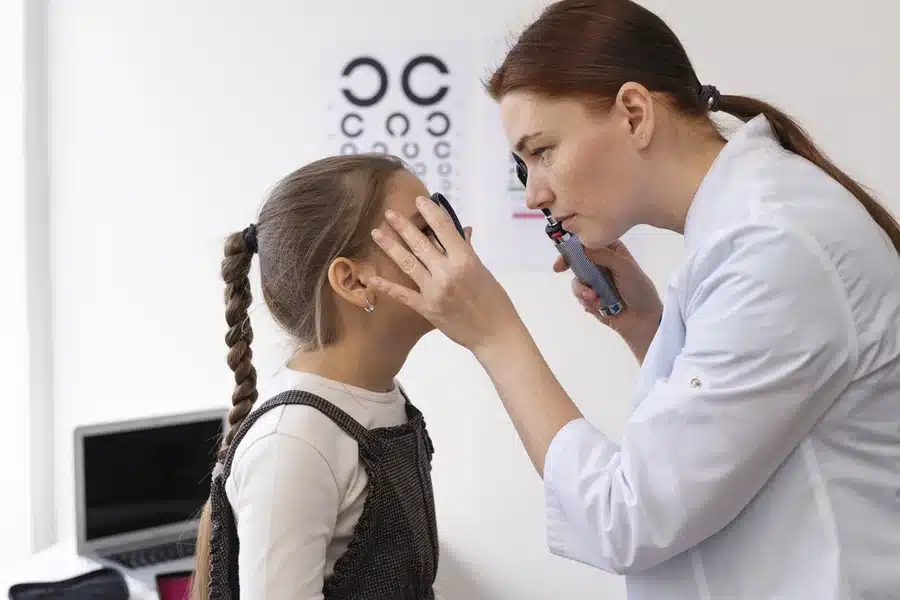
Learning requires good vision. But most kids would probably think it is normal to see things blurry, which makes it hard to detect the problem. And because they might have vision problems, they struggle at school.
Even as a parent, it can be hard to notice this at home. Kids can get used to seeing things blurry, so they adjust by sitting closer. That is why it is a good idea to schedule a vision screening so that any vision problems can be detected before they worsen.
Hearing is equally important. If your kid has an uncorrected hearing problem, it can affect everything they do at school. They might have trouble hearing the teacher and even playing with the kids.
5. Dental Checks
A beautiful smile can make your kid more confident in themselves. If they have misaligned or discoloured teeth, it can harm their self-esteem. Cavities or gum problems are a time bomb. When they become intense, the pain can make it hard for them to focus, sleep or eat.
Dentists recommend thorough dental checks every 6 months. This checks for potential problems and offers tips on how to care for their teeth, such as brushing twice a day with fluoride toothpaste.
And it’s better to schedule regular dental visits before school starts to avoid disrupting their studies.
6. Reset Sleep Routines and Screen Time

During the summer, kids often stay up late and spend a lot of time looking at screens. This can make it hard for them to get used to the school schedule. You might notice that your kid gets cranky when they don’t get enough sleep (7-8 hrs)- that directly affects learning.
If you don’t get your kid into a routine before school starts, it can be hard for them to adjust. So, start by putting them to bed early and waking them up at the same time every day. This way, they get enough sleep and feel rested, energetic and in a good mood the next day.
Also, limit the time your kid spends on screens. They should not spend more than 2 hours a day on screens.
7. Check Backpack Fit
Checking the child’s physical fitness is important. A heavy or poorly fitted backpack causes back and shoulder discomfort. Over time, it affects posture and increases the risk of spine injuries.
Detecting issues early helps prevent these impacts later. The general rule is to keep backpacks at no more than 10% of a student’s body weight. For example, if the student weighs 40-50 kg, the bag should weigh 4-5 kg.
When checking the backpack, ensure both shoulder straps work and are comfy, and that it fits properly — not too loose or too tight.
Conclusion
Back-to-school isn’t just about supplies—it’s about ensuring your child is healthy and ready to learn. A check-up can reveal health issues you might not notice. Take care of these before school starts so things go smoothly. Vision screenings, dental visits, and check-ups are all key to your child’s health.
If you follow this checklist, it will be easier to get your kid ready for school. Just make sure you have all their records, and let the doctor know if you notice any problems. This will make the process go smoothly. Vision screening, dental visits and check-ups are all important for your kids’ health.
According to this professional dentist in Clearwater FL, planning these appointments early helps you avoid the last-minute rush and ensures your child starts the year with confidence. By prioritizing their physical and oral health now, you set a strong foundation for their academic success and overall well-being throughout the school season.