Portrait Photography Tips: Mastering the Art of Capturing Faces
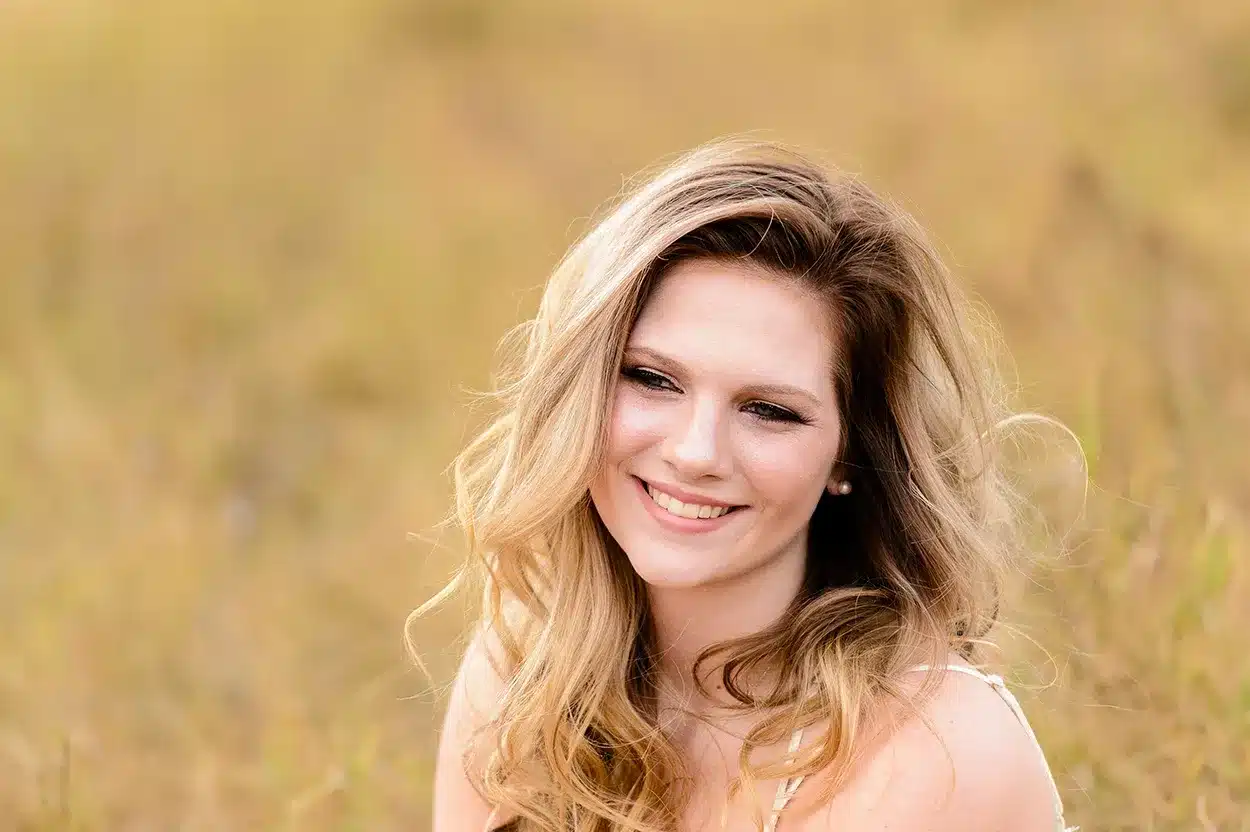
Portrait photography is more than just clicking a button on your camera. It’s about capturing a person’s soul, their emotions, and the story that lies behind their eyes. Whether you are a beginner with a smartphone or an aspiring professional with a DSLR, knowing how to capture stunning portraits can transform the way people view your work. Portraits are among the most powerful forms of photography because they connect us to the human experience. In this comprehensive guide, we will explore some valuable portrait photography tips that will help you take your skills to the next level and bring a fresh sense of magic to your images.
Understanding the Essence of Portrait Photography
Before diving into technical tips and tricks, it’s essential to understand what portrait photography is truly about. A good portrait does not just show what someone looks like; it reveals who they are. Every wrinkle, every sparkle in their eye, and every subtle smirk has a story to tell. Your mission as a portrait photographer is to find that story and freeze it in time. To do that, you must observe, listen, and empathize with your subject.
Building a Connection With Your Subject
Portrait photography is a collaboration between the photographer and the subject. Building rapport is the foundation of a great photo session. Make your subject feel comfortable and valued. Talk to them before the shoot, ask about their interests, and show genuine curiosity. When people feel relaxed, they reveal their true selves, and that’s when the most breathtaking portraits happen. Remember, the best camera in the world can’t create authenticity; trust and comfort do.
Choosing the Right Location
Location plays a pivotal role in setting the tone and atmosphere of your portraits. Outdoor locations like parks, beaches, or city streets offer beautiful natural light and interesting backgrounds. Indoor locations like cozy homes, studios, or coffee shops provide more control over lighting and a more intimate feel. Choose a location that complements the mood you want to create. Always scout the area beforehand to plan the angles, identify the best light sources, and minimize any potential distractions.
Mastering Natural Light
Light is the paintbrush of photography, and mastering it can elevate your portraits immensely. Natural light is often the most flattering for portraits. The golden hour, which occurs shortly after sunrise and just before sunset, bathes everything in a soft, warm glow, creating magical effects. Overcast days are also excellent for portraits because clouds diffuse sunlight, eliminating harsh shadows. Position your subject so that the light softly illuminates their face, enhancing their features without creating unflattering contrasts.
If shooting indoors, position your subject near a window where natural light spills in. Pay attention to how the light wraps around the face and adjust your angles to find the most flattering look. Experiment with backlighting, sidelighting, or even dramatic shadows for different moods.
Using Artificial Lighting Effectively
While natural light is beautiful, sometimes you need to work with artificial lighting. Softboxes, ring lights, and off-camera flashes can help you shape light creatively. A key light, fill light, and backlight setup can add depth and dimension to your portraits. Remember, harsh, direct light can be unflattering, so use modifiers like diffusers to soften the light. Always strive to mimic natural light behavior unless you’re aiming for a dramatic or stylized effect.
Understanding Camera Settings for Portraits
Manual control over your camera settings will give you the flexibility to create the look you want. Use a wide aperture (low f-stop number like f/1.8 or f/2.8) to create a shallow depth of field. This makes the background blurry and keeps the focus on your subject’s face. A blurred background, or bokeh, isolates the subject beautifully.
Keep your ISO as low as possible to avoid grainy images. Adjust your shutter speed based on whether your subject is still or moving. A shutter speed of 1/125 or faster is generally good for handheld portraits to avoid motion blur. Use single-point autofocus to lock onto your subject’s eyes because eyes are the emotional center of a portrait.
Composing Your Shots Intelligently
Composition is how you frame your subject within the photo, and it can make the difference between an ordinary snapshot and a compelling portrait. Use the rule of thirds by placing your subject slightly off-center rather than in the middle. This creates a more dynamic and interesting image. However, rules are made to be broken, so trust your instincts.
Try different angles: shoot from above for a more delicate look, from below for a sense of power, or at eye level for intimacy. Fill the frame for intensity or leave more negative space for a feeling of openness. Always pay attention to the background and eliminate distractions that might pull attention away from your subject.
Directing and Posing Your Subject
Many people feel awkward in front of the camera, so it’s your job to guide them. Give clear, gentle instructions and offer lots of positive feedback. Encourage natural movement rather than stiff poses. A slight tilt of the head, a gentle lean forward, or hands placed naturally can make a huge difference. Ask your subject to think about a fond memory or something that makes them laugh to elicit genuine expressions.
Subtle changes in hand position, posture, or eye direction can completely transform the mood of the portrait. Practice and study classic posing techniques, but always prioritize making your subject feel natural and at ease.
Capturing Authentic Expressions
The most powerful portraits are those that capture real emotions. Instead of forcing smiles, engage your subject in a conversation. Tell jokes, share stories, or ask thoughtful questions that evoke feelings. Be patient and ready to capture fleeting moments—a sudden laugh, a contemplative look, or a glance away can often become the best shots.
Anticipate these moments and be ready to click the shutter. Always keep shooting between the “posed” moments because that’s often where the real magic lives.
Experimenting With Lenses
Different lenses offer different perspectives in portrait photography. A prime lens like a 50mm or 85mm is a favorite among portrait photographers because of its flattering focal length and ability to create a creamy bokeh. A wide-angle lens can add drama or distortion if used creatively but be cautious as it can also exaggerate facial features.
Telephoto lenses like a 70-200mm compress facial features slightly and create stunning background separation, resulting in elegant, professional-looking portraits. Try experimenting with different lenses to discover the styles you love best.
Choosing the Right Backgrounds
Backgrounds play an essential supporting role in portrait photography. A cluttered or distracting background can ruin a beautiful shot. Choose simple, clean backgrounds that enhance your subject, not compete with them. Use shallow depth of field to blur busy backgrounds.
Alternatively, integrate your subject with their environment meaningfully. A musician in a concert hall, a writer in a cozy library, or a dancer on stage can create more meaningful portraits. Contextual backgrounds tell a story and give the viewer more insight into the subject’s life.
Enhancing Your Portraits Through Editing
Post-processing is the final polish that can bring your portrait photography to life. Editing should enhance, not overpower, the natural beauty of your subject. Basic adjustments like correcting exposure, adjusting contrast, tweaking colors, and sharpening are essential.
Retouching can help remove temporary blemishes, smooth skin slightly, and brighten eyes, but be careful not to overdo it. Over-editing can lead to an unnatural, plastic look. Tools like Lightroom and Photoshop offer powerful portrait retouching options, but your goal should always be to maintain authenticity.
Use subtle color grading to create mood. Warm tones can evoke happiness and comfort, while cooler tones can suggest melancholy or introspection. Black and white portraits strip away color distractions and focus purely on emotion and texture.
Developing Your Unique Style
As you gain experience, you’ll naturally develop your own style. Some photographers prefer vibrant, colorful portraits, while others lean toward moody, minimalist black-and-white compositions. Study the work of photographers you admire, but don’t copy them. Instead, understand their techniques and infuse them with your perspective.
Think about what emotions you want your portraits to evoke. Are you drawn to laughter, solemnity, elegance, or grit? Use lighting, composition, editing, and subject interaction to shape your artistic voice.
Learning From Each Session
Every portrait session is an opportunity to learn and grow. After each shoot, take time to review your images critically. What worked? What didn’t? Could the lighting have been better? Was the background distracting? Was the posing natural? Reflecting on your mistakes and successes will help you refine your craft over time.
Seek constructive feedback from other photographers, mentors, or even your subjects. Don’t be discouraged by criticism; use it as a stepping stone to improvement, as often emphasized in the boring magazine.
Keeping Up With Trends and Technology
Photography is an ever-evolving field, and portrait photography is no exception. Stay updated on new techniques, equipment, and editing styles. Follow portrait photography blogs, take online courses, and read photography magazines. However, while it’s important to evolve, never let trends overshadow authenticity.
Master the fundamentals first—lighting, composition, connection—then use new trends to enhance your storytelling rather than dictate it.
The Emotional Responsibility of a Portrait Photographer
Remember that portraits are deeply personal. You are capturing someone’s image, often in vulnerable moments. Respect your subjects and honor the trust they place in you. Share images thoughtfully, always asking for permission before posting online. Ethical practices in portrait photography are just as important as technical skills.
By treating your subjects with dignity and sensitivity, you create not only beautiful portraits but also lasting, meaningful experiences.
Conclusion
Portrait photography is a beautiful dance between art and technique, between heart and skill. It demands patience, creativity, empathy, and continuous learning. By mastering the fundamentals of light, composition, camera settings, posing, and post-processing, and by building genuine connections with your subjects, you can create portraits that are not just visually striking but emotionally resonant.
Every face you photograph holds a universe within it. Your job is to explore that universe and share it with the world, one portrait at a time. As you practice and grow, remember that the best portrait photography tips are not about gear or rules—they are about seeing, feeling, and telling human stories with your lens.