How Long Do Dental Veneers Last? Insights From Las Vegas Cosmetic Dentists
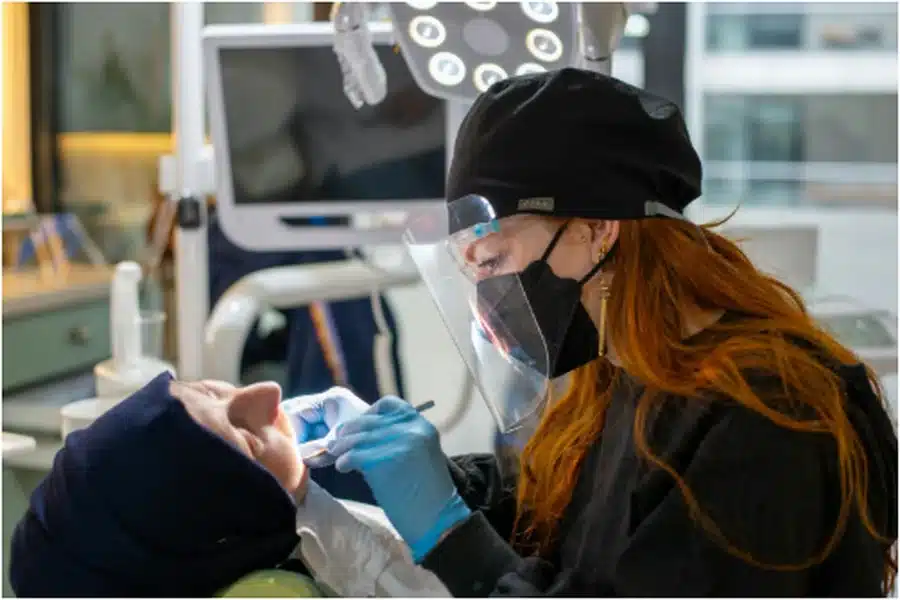
Dental veneers are a popular way to get a perfect smile, but how long they last can depend on several factors. Porcelain veneers typically last 10 to 15 years, while composite resin veneers usually last 5 to 7 years. To make them last, proper care is essential. Las Vegas cosmetic dentists say that understanding what affects their durability is crucial for keeping your smile bright for years.
Porcelain veneers are known for their strength and natural look. They can last over a decade with good care, like regular brushing and avoiding hard foods. Composite veneers are less expensive but may need replacing sooner.
Taking care of your veneers means avoiding habits like grinding teeth or biting nails. Regular dental check-ups can help catch any issues early. A healthy lifestyle and good oral hygiene play a big role in extending the lifespan of your veneers.
In summary, with the right care and attention, dental veneers can offer a long-lasting, beautiful smile. By understanding the factors that affect their durability and following simple maintenance tips, you can enjoy your veneers for many years.
Understanding Dental Veneers: Materials and Types
Dental veneers in Las Vegas are thin coverings placed on the front of teeth to improve their look. They’re made from either porcelain or composite resin. Porcelain veneers are known for their strength and natural tooth-like appearance. They are custom-made in a lab for a perfect fit. Composite resin veneers, on the other hand, are applied directly to your teeth in the dentist’s office, offering a quicker solution.
The process starts with a thorough dental check-up and a custom mold to ensure the veneers fit well and attach securely. Porcelain veneers take longer to make but offer top-notch quality. Composite resin veneers are faster, making them a convenient choice for many.
Veneers can transform your smile, enhancing both appearance and confidence. Whether you choose porcelain or composite resin, they provide a durable and attractive solution to improve your teeth’s look.
Average Lifespan of Porcelain Veneers
Porcelain veneers are a popular choice for a beautiful smile, typically lasting 10 to 15 years. Keeping them in good shape means practicing good oral hygiene, avoiding damage, and visiting your dentist regularly.
Oral Hygiene: Brushing and flossing daily prevent decay and keep veneers looking bright.
Lifestyle Habits: Steer clear of hard foods and avoid habits like teeth grinding to prevent veneer damage.
Dental Check-Ups: Regular dental visits are key to catching potential issues early and ensuring veneers last as long as possible.
Durability of Composite Resin Veneers
Composite resin veneers are a popular choice for those looking for a cost-effective alternative to porcelain veneers. They typically last around 5 to 7 years if well-maintained. The durability of these veneers depends largely on the quality of the bonding agent. A strong bond between the veneer and tooth can extend its life. The flexibility of composite resin makes it easy to apply and repair, offering a less invasive option.
However, composite resin is prone to staining and wear. To keep them looking good, regular brushing, flossing, and dental check-ups are crucial. Proper care means your veneers can look great and last longer.
Factors Affecting the Longevity of Veneers
How Long Do Veneers Last?
Veneers can last a long time, but several factors affect their durability. The type of material used is crucial. Porcelain veneers usually last longer than those made from composite resin. Keeping up with good oral hygiene habits, like regular brushing and flossing, can also extend their life. Be mindful of your diet—avoiding foods and drinks that stain or harm veneers means they will look better and last longer.
Choose Porcelain for Durability
Porcelain veneers are known for their strength and can last many years. Compared to composite resin, porcelain is more resistant to staining and chipping, making it a preferred choice for those seeking longevity.
Practice Good Oral Hygiene
Brushing and flossing daily helps keep your veneers in top shape. Regular dental check-ups are also important to catch any potential issues early.
Watch Your Diet
Some foods and drinks can stain or damage veneers. Coffee, red wine, and hard foods can shorten their lifespan. Opt for a diet that keeps your veneers looking great and lasting longer.
Material Selection Matters
Material selection is key to the lifespan of dental veneers. The right choice affects durability, looks, and overall function.
Porcelain Veneers: These are popular because they look natural and resist stains well. They are a great choice for long-lasting results.
Composite Resin Veneers: This option is more budget-friendly and quicker to apply, but it may not last as long as porcelain.
Lumineers: These ultra-thin veneers need little tooth preparation and still offer a durable and attractive solution.
Choosing the right veneer material ensures you get the best results and satisfaction over time.
Oral Hygiene Practices
To make your dental veneers last longer, it’s crucial to follow good oral hygiene habits. Start by brushing your teeth properly. Use a soft-bristled toothbrush and non-abrasive toothpaste to avoid damaging the veneers. Brush in gentle, circular motions to clean thoroughly without harming the bond between veneers and teeth.
Flossing every day is also important. It helps remove plaque from spots your toothbrush can’t reach, preventing decay and gum disease. Regular dental check-ups are key to keeping an eye on your veneers’ condition. These steps together help protect and maintain your veneers over time.
Dietary Habits Impact
Dietary choices greatly affect how long dental veneers last. Some foods and drinks can wear them down faster than others. Even though veneers are tough, certain eating habits can weaken them.
Food Choices: Eating acidic foods like citrus fruits or sugary snacks can wear down veneers.
Eating Habits: Biting into hard items like ice or nuts can crack or chip your veneers.
Beverage Consumption: Drinking coffee, tea, or red wine a lot can stain your veneers over time.
Knowing how your diet impacts veneers helps keep them looking good and working well.
The Role of Oral Hygiene in Veneer Maintenance
Good oral hygiene is key to keeping your dental veneers looking great and lasting longer. Use a soft-bristled toothbrush and brush gently to avoid scratching the veneers. Brush twice a day with fluoride toothpaste to protect both veneers and natural teeth.
Don’t skip flossing—it’s crucial for removing plaque and food bits that your toothbrush misses. This helps keep your gums healthy and prevents decay around the edges of your veneers.
Regular trips to the dentist for cleanings and check-ups are also important. By following these simple steps, you can keep your veneers in top shape, maintaining their look and function.
Dietary Habits That Impact Veneer Durability
Avoid Acidic Foods for Veneer Protection
Eating less acidic foods like citrus fruits and sodas helps keep your veneers strong. Acids can wear down the surface, which can lead to damage over time. So, enjoying these foods in moderation means your veneers will last longer.
Be Careful with Sticky and Hard Foods
Sticky treats like caramel and hard snacks like nuts can harm your veneers. They might cause cracks or even make veneers come loose. Choosing softer foods is a simple way to prevent this kind of damage.
Limit Staining Drinks for Veneer Beauty
To keep your veneers looking bright, try to drink less coffee and red wine. These beverages can cause discoloration over time. By reducing your intake, your veneers will stay beautiful and white.
Regular Check-Ups and Professional Cleanings
Regular dental check-ups and cleanings are key to keeping veneers in great shape. These visits help spot any problems early, which means small issues can be fixed before they cause bigger damage to your veneers. Seeing your dentist regularly also means they can create a maintenance plan just for you, ensuring your veneers last longer. Cleanings get rid of plaque and tartar that brushing might miss, protecting both your natural teeth and veneers. By keeping up with these appointments, you’re not just protecting your veneers but also your overall dental health. Regular visits are essential for maintaining the look and integrity of your veneers.
Common Signs That Veneers May Need Replacement
Cracks in Veneers Mean Trouble: Even small cracks in dental veneers can lead to bigger problems. This could result in damage to the tooth underneath.
Misaligned Veneers Cause Issues: If veneers are not correctly placed, it can lead to discomfort and affect how your teeth fit together. This misalignment can also make your smile look less natural.
Discoloration and Wear Indicate Aging: Over time, veneers might lose their shine or change color differently from your natural teeth.
These signs not only affect how your smile looks but can also impact the health of your teeth. Addressing these issues early can prevent bigger problems down the line. If you notice any of these signs, it’s a good idea to consult with your dentist.
Tips for Extending the Life of Your Veneers
To make your dental veneers last longer, follow some simple care tips. First, have an experienced cosmetic dentist install them properly. This ensures they stay securely attached and don’t wear out too soon.
Regular check-ups with your dentist are key. They help catch any issues early. Avoid biting hard things, like ice or nuts, and brush gently with non-abrasive toothpaste. Floss daily to keep your gums healthy, which supports your veneers. If you play sports or grind your teeth at night, use a mouthguard to protect them. These steps help keep your veneers in great shape for years.
Frequently Asked Questions
Can Veneers Be Whitened if They Become Stained?
Can veneers be whitened if they become stained? Veneers are designed to resist stains, but they can’t be whitened like natural teeth. If your veneers get stained, professional cleaning can help remove surface stains. To keep veneers looking their best, regular maintenance and avoiding foods and drinks that cause stains, like coffee and red wine, are key.
Are Veneers Reversible or Removable Without Damage?
Dental veneers are not easily reversible or removable without causing potential damage. When veneers are applied, some of the tooth’s enamel is removed, making it difficult to return to the original condition. This process results in a permanent change to the tooth structure.
If you’re considering veneers, it’s important to know that while there are methods to remove them, the long-term effects on your teeth are a concern. Consulting with a dental expert is essential to understand the best options for your situation.
For those interested in veneers, knowing about the potential permanence and consulting a professional can help ensure you make an informed decision.
Can Veneers Be Repaired if They Chip or Crack?
Yes, veneers can be repaired if they chip or crack. Using the right repair methods ensures the veneers stay beautiful and functional for a long time. It’s important to seek expert care for the best results and lasting durability.
When a veneer gets damaged, a dental professional can often fix it without needing a complete replacement. They might use bonding materials or other techniques to restore the veneer’s appearance. Regular check-ups and gentle care can help maintain veneers and prevent further damage.
If you notice a chip or crack, contact your dentist promptly. Quick action often leads to better repair outcomes. Keeping your veneers in good shape means avoiding habits like biting hard objects and maintaining good oral hygiene.
How Do Veneers Affect Tooth Sensitivity?
Veneers can cause tooth sensitivity, especially to hot and cold foods or drinks. This is because veneers slightly change the shape of your teeth. Some people might find flossing a bit tricky with veneers. To help with these issues, it’s important to maintain good oral hygiene and visit your dentist regularly.
Are There Any Age Restrictions for Getting Veneers?
Are there age restrictions for getting veneers? Yes, dentists generally recommend waiting until you’re at least 18. This age ensures that your teeth and jaw have fully developed, providing a solid base for veneers. This helps in achieving the best fit and lasting results.
Veneers act like a new outer layer for your teeth, enhancing your smile. By waiting until dental development is complete, you increase the chances of a successful outcome. Remember, every person’s dental needs are different, so it’s a good idea to consult with a dentist to see what’s best for you.