The Impact Of Automation On Construction Takeoffs And Estimating
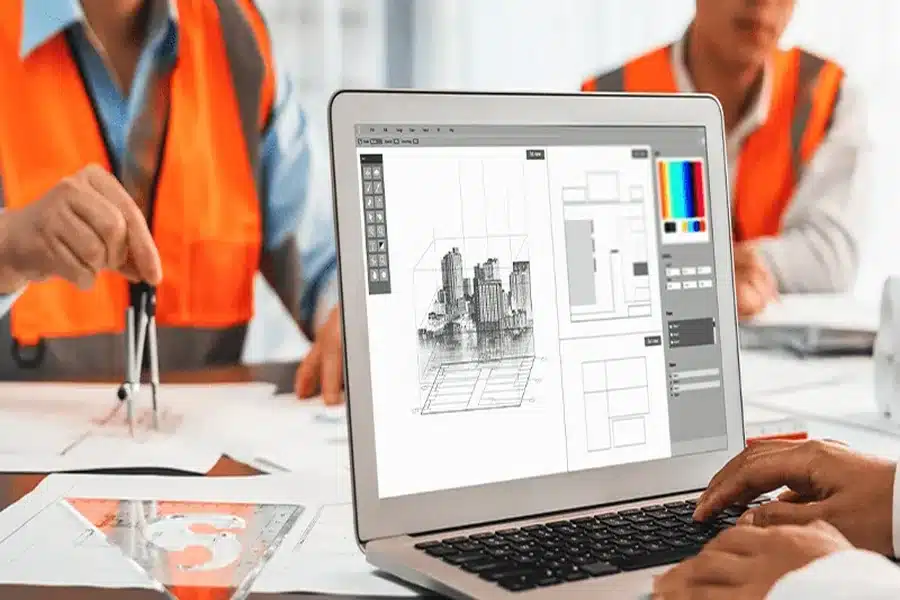
The construction industry has constantly relied heavily on accurate takeoffs and particular estimating to ensure tasks live within finances and on time. With advancements in the era, automation is reworking how these crucial obligations are finished. Automated systems are streamlining the technique of quantifying materials and calculating fees, improving accuracy and performance. Integrating automation into Construction Estimating Services has helped contractors reduce human blunders and speed up workflows, enabling more reliable assignment forecasts.
Automation leverages software that extracts data directly from digital blueprints and 3D models, significantly reducing the time required for manual measurements and calculations. This innovation not only hastens the early stages of mission planning but also increases the self-assurance of stakeholders in the estimates provided. As a result, contractors can make better-informed choices and submit bids that more intently reflect real costs.
Improved Accuracy and Time Savings
One of the greatest benefits of automation in takeoffs and estimating is the improved accuracy it presents. Traditional guide takeoffs are at risk of human mistakes—whether it’s misreading plans, overlooking info, or miscalculating quantities. Automated systems, however, use precise algorithms to calculate degrees, lengths, areas, volumes, and quantities, which reduces mistakes and transformations.
In addition to improving accuracy, automation slashes the time required to carry out takeoffs. What used to take days or maybe weeks can now be done in hours or less. This acceleration enables contractors to reply quickly to bid requests and maintain projects on tight timelines. Moreover, the performance profits allow estimators to attention on price-based duties like hazard analysis and fee optimization in place of routine calculations.
Integration with Other Construction Technologies
Automation in takeoffs is more and more being integrated with other virtual equipment and structures, developing a seamless flow of records throughout the development lifecycle. For example, combining automated estimating with Building Information Modeling (BIM) allows the extraction of fantastically targeted and accurate fabric quantities from 3D models. This synergy enables coordinated challenge-making plans and decreases discrepancies between layout and creation.
Many Construction Estimating Companies now include those computerized structures as part of their service offerings, spotting the aggressive gains that technology brings. These groups can produce greater complete estimates that encompass exertions, equipment, and material expenses with extra speed and precision. The capability to combine automated takeoffs with challenge control and accounting software additionally allows for real-time price range tracking and forecasting.
Cost Control and Risk Mitigation
By adopting automated takeoff and estimating approaches, creation firms can better manage their budgets and decrease financial risks. Automated systems can speedily generate multiple estimate scenarios, allowing teams to evaluate one-of-a-kind design options or material alternatives to find the most price-effective solutions. This flexibility supports value engineering efforts without sacrificing quality.
Furthermore, automation reduces the hazard of underestimating or lacking key value additives, which are not uncommon sources of financial overruns and disputes. Accurate estimates help contractors keep away from high-priced trade orders and claims by means of presenting clear and defensible fee projections in advance.
Challenges and Adoption Considerations
Despite the clear benefits, integrating automation into production estimating is not without demanding situations. Transitioning from manual strategies calls for investment in software, education, and occasional changes in workflow. Some companies might also face resistance from a workforce accustomed to traditional practices or have worries approximately the learning curve related to new technology.
Data excellence is also vital; automated gear depends upon correct and well-prepared digital drawings and models. Poorly exceptional inputs can still cause errors, highlighting the significance of consistent standards in task documentation. Additionally, smaller contractors may find it hard to justify the upfront expenses of automation without clear evidence of return on investment.
The Future Outlook of Automation in Estimating
As the generation continues to conform, automation becomes even more embedded in production workflows. Advances in artificial intelligence (AI) and system mastering are expected to further enhance estimating with the aid of identifying patterns, predicting risks, and suggesting price-saving measures automatically. Cloud-based structures will facilitate real-time collaboration among mission teams, increasing transparency and performance.
Construction Estimating Service helps the industry meet the demands of quicker shipping and tighter budgets. Firms that include those innovations will possibly see advanced competitiveness and profitability.
Conclusion
The integration of automation into takeoffs and estimating procedures marks a tremendous advancement in production assignment control. Automated gear enhances accuracy, velocity, and integration abilities, empowering contractors to supply more dependable and cost-effective tasks. While demanding situations exist in adopting these technologies, the long-term benefits are clear.
As greater production firms partner with production estimating corporations that provide automated solutions, the enterprise is moving toward digital precision. Embracing these changes is vital for staying ahead in nowadays’s speedy-paced construction environment.
Ultimately, the considerable use of automated takeoffs and estimating, supported with the aid of professional production estimating providers, will power greater efficiency, transparency, and fee manipulation—key elements for successful production projects in the future years.