Can You Recover For Emotional Distress Alone After A Car Accident?
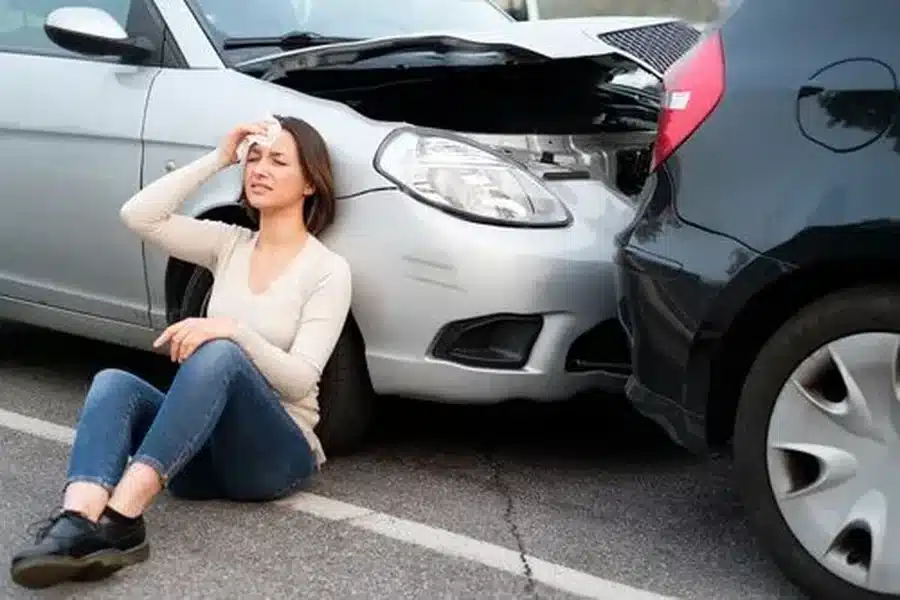
Short answer: yes—under California law you can, in the right circumstances. Emotional distress isn’t a “bonus” you tack on only when you’re physically hurt. California recognizes recovery for serious emotional harm caused by negligence, even without a physical injury. The legal path isn’t automatic, though, and insurers scrutinize these claims. Here’s how a Westlake Village personal injury lawyer frames and proves them so your case is taken seriously.
The legal foundation (in plain English)
California doesn’t treat “negligent infliction of emotional distress” (NIED) as a separate tort. It’s simply negligence, and the question is whether the defendant breached a duty that foreseeably caused you serious emotional harm. The state’s civil jury instructions (CACI 1620) expressly allow recovery for emotional distress without any other injury when the proof is there.
This approach flows from landmark California Supreme Court cases like Molien v. Kaiser, which rejected any across-the-board “no recovery without physical injury” rule. In Molien, the court recognized that a person can be a direct victim of negligence and recover purely emotional damages when the evidence is credible and the harm is serious.
Two routes to recovery: “direct victim” vs. “bystander”
Direct victim claims (most common after you’re in the crash)
If the negligent driver owed you a duty (they did), breached it, and that breach caused serious emotional distress, you may recover even without physical injury. This fits many scenarios where you were in the collision (or near-miss with danger), but your primary injury is psychological—panic attacks, persistent insomnia, intrusive memories, driving avoidance—documented by a clinician. CACI 1620 is the roadmap your Westlake Village personal injury attorney will follow.
Bystander claims (when you witness a close family member’s injury)
If you witness a crash injuring a close relative, California allows a bystander claim—but with tight guardrails from Thing v. La Chusa and the jury instruction CACI 1621. You must be closely related, present at the scene, and aware the injury is occurring as it happens (hearing the crash and instantly understanding your child or spouse was hit, for example). If any piece is missing, the claim usually fails.
What “serious emotional distress” means (and what it doesn’t)
Courts aren’t talking about ordinary upset. They mean distress that no reasonable person should be expected to endure—the kind that disrupts sleep, concentration, relationships, and work; the kind that clinicians diagnose and treat. California does not require visible wounds or “impact,” but the more objective your proof, the stronger the case. The Judicial Council’s guidance and commentary around CACI 1620/1621 make clear: credibility and corroboration matter.
Evidence that moves adjusters (and juries)
- Early medical/mental-health records. ER notes, primary-care visits, therapist or psychologist evaluations that tie symptoms to the crash.
- Consistent symptoms over time. A treatment timeline shows persistence (e.g., 6–12 months of therapy), not a brief scare that resolved.
- Work and life impact. Employer letters, disability slips, missed shifts, changes to driving or caregiving duties.
- Corroboration from loved ones. Short statements describing changes they observed.
- Accident context. Photos/video, 911 audio, and scene evidence reinforcing a legitimately terrifying mechanism (e.g., multi-car spin, airbag deployment, glass intrusion).
Your Westlake Village personal injury lawyer will package these in a way insurers can audit—linking mechanism → symptoms → diagnosis → treatment → limits on daily life.
Common defenses—and how we answer them
“No physical injury = no case.” Not the law in California; direct victims can recover without bodily injury if distress is serious and caused by negligence. Molien and CACI 1620 say so.
“It’s just subjective.” Objective anchors beat this: clinician diagnoses (e.g., PTSD, adjustment disorder), standardized screening tools, medication changes, and documented functional limits.
“Preexisting anxiety.” California’s “eggshell plaintiff” principle doesn’t let a defendant escape just because you were vulnerable. We separate baseline from crash-aggravated symptoms using prior records and treating-doctor narratives.
“You weren’t physically there” (for bystanders). Thing v. La Chusa sets strict elements; if you don’t meet them, we pivot to any direct-victim theory that applies (for example, if you were actually in danger yourself), or we focus on other recoverable damages.
Damages available for emotional-distress-only claims
- Non-economic damages: mental suffering, grief, anxiety, humiliation, loss of enjoyment of life.
- Economic damages: therapy and psychiatry costs, medications, time off work, and any out-of-pocket expenses caused by the condition.
If road-rage or outrageous conduct is involved, we may evaluate intentional infliction claims—but those require proof of extreme and outrageous behavior with intent or reckless disregard, a higher bar than negligence.
Timelines and special notice rules
Most California personal-injury claims must be filed within two years of the injury (sooner if special rules apply). If a public entity is involved (city bus, public employee), you generally must file an administrative claim within six months before suing. Don’t wait—these deadlines can end valid cases.
Practical steps if emotional distress is your main injury
- See a clinician early. Tell the doctor exactly how the crash affects sleep, concentration, driving, crowds, etc. If you’re searching for an experienced in-person psychiatrist near me, ensure they are familiar with trauma-related conditions.
- Follow through on care. Therapy consistency is persuasive; gaps invite doubt.
- Journal briefly. Note anxiety spikes, nightmares, missed events, and coping tools—concise entries, not essays.
- Limit social media. Don’t hand the defense “you looked fine” posts out of context.
- Loop in counsel. A Westlake Village personal injury attorney will coordinate records, protect your statements, and present your story with the corroboration insurers expect.
Will your case have to go to trial?
Usually not. Many emotional-distress-only claims settle once the defense sees trial-quality medical proof and a credible life-impact story. When numbers stay low, filing suit in Ventura County (or LA County, depending on venue) adds structure—depositions and expert disclosures often prompt real movement.
Schedule a Free Consultation with a Personal Injury Lawyer at Bojat Law Group
If your biggest injury after a car crash is what it did to your mind and life, you still have rights. Bojat Law Group builds evidence-driven cases that meet California’s standards for emotional-distress recovery—without relying on guesswork. Talk with a Westlake Village personal injury lawyer who will get your story documented the right way and fight for full value. Free consultation. No Win No Fee. Call (818) 877-4878 or contact Bojat Law Group today.