Cost Comparison: Everest Base Camp vs Manaslu Circuit Trek — Which Is More Budget-Friendly?
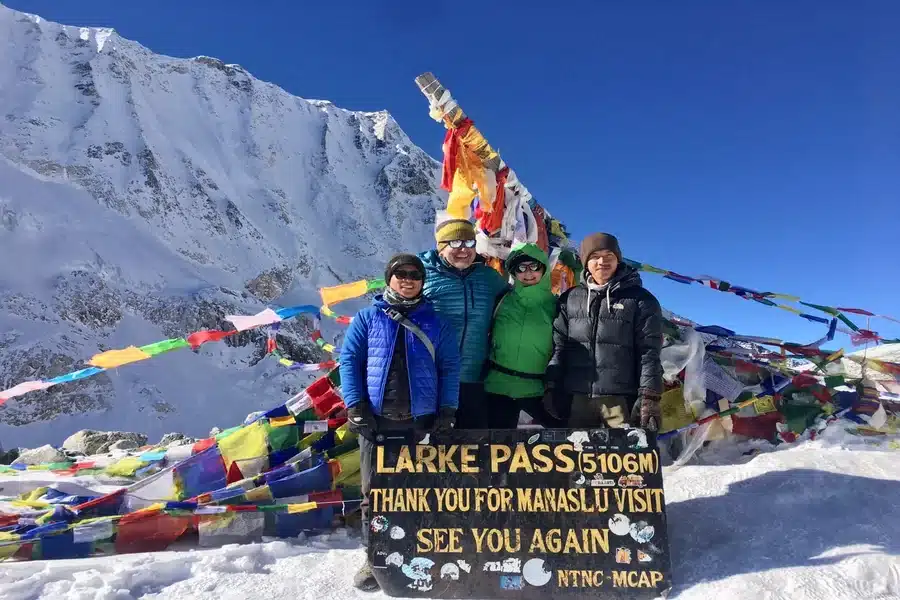
Choosing between the world-famous Everest base camp trek and the remote, culturally rich Manaslu Circuit Trek often comes down not just to scenery and challenge, but to budget. Both treks offer extraordinary Himalayan experiences, yet the cost of completing each can vary significantly depending on travel style, time of year, logistics, and personal preferences. For budget-conscious trekkers, understanding the true expenses—permits, accommodation, food, transportation, guides, and gear—is essential before committing to a route.
This comprehensive cost comparison breaks down the financial realities of each trek, helping you decide which trail gives you more value for your money. While Everest Base Camp is iconic and well-developed, Manaslu is remote, restricted, and far less commercial. These differences influence prices in ways many first-time trekkers don’t expect. Below, you’ll find a complete analysis designed to offer clarity, transparency, and practical planning insights.
Understanding the Core Cost Differences: Permits, Logistics, and Daily Expenses
One of the biggest distinctions between Everest Base Camp and the Manaslu Circuit lies in the permits. The Everest region lies inside Sagarmatha National Park and does not require a restricted-area permit, whereas Manaslu is a restricted region, and therefore costlier from a paperwork standpoint.
Permit Cost Breakdown
Everest Base Camp
- Sagarmatha National Park Entry Permit: Approx. USD 30
- Khumbu Pasang Lhamu Rural Municipality Permit: Approx. USD 20–30
- No TIMS Card required
Total permit cost: USD 50–60
Manaslu Circuit Trek
The Manaslu region is designated a restricted zone, which means trekkers must hike with a licensed guide through a registered agency. This automatically makes the Manaslu permits pricier.
- Manaslu Restricted Area Permit: USD 100 (autumn) or USD 75 (spring) for the first week
- Annapurna Conservation Area Permit (ACAP): USD 30
- Manaslu Conservation Area Permit (MCAP): USD 30
Total permit cost: USD 160–190
This difference alone places Manaslu at a higher starting cost, primarily due to the restricted-area rules. However, permits are only one piece of the puzzle.
Guide and Porter Fees
Hiring a guide is highly recommended for EBC but mandatory for Manaslu.
For Everest Base Camp:
- Guide: USD 25–35 per day
- Porter: USD 18–25 per day
For Manaslu Circuit:
- Guide: USD 30–40 per day due to remoteness and more complex logistics
- Porter: USD 20–25 per day
Because Manaslu requires a guide and typically runs longer (12–14 days), guide-related costs tend to be higher overall compared to EBC, especially for solo trekkers or small groups.
Transportation Costs
Getting to the trailhead is another major cost factor that can shift the budget balance dramatically.
Getting to Everest Base Camp
Most trekkers fly from Kathmandu to Lukla.
- Flight cost: USD 180–220 one way
Round-trip: USD 360–440
This single cost is one of the biggest expenses of the entire EBC trek. Weather delays can also cause unplanned additional nights in Kathmandu or Lukla, raising costs even more.
Getting to Manaslu Circuit
Manaslu does not require flights. Trekkers travel overland from Kathmandu to Machha Khola, Sotikhola, or Jagat.
- Local bus: USD 10–15
- Shared jeep: USD 30–40
- Private jeep: USD 180–220
Even with a private jeep, the transportation cost is typically lower than flying to Lukla. This makes Manaslu more attractive for trekkers trying to avoid expensive flights or minimize budget unpredictability.
Daily Costs: Food, Accommodation, and Trekking Essentials on Both Routes
Once you are on the trail, your daily spending becomes the key factor in determining the total cost. The Everest Base Camp route is more commercialized, and as a result, prices tend to be higher, especially at altitude.
Accommodation Costs
Both treks use teahouses, but prices vary:
Everest Base Camp Accommodation
- In lower regions: USD 5–10 per night
- From Dingboche upward: often free with meals
- Higher regions may charge extra for hot showers or device charging
Manaslu Circuit Accommodation
- USD 6–10 per night on average
- Less commercial than EBC, so fewer add-on charges
While teahouse comfort levels are similar on both routes, Manaslu is generally a bit cheaper, especially because extra service charges tend to be lower.
Food Prices on the Trail
Food is one of the biggest expenses during any Himalayan trek, but the difference between EBC and Manaslu is significant. Because everything in the Everest region is flown to Lukla (or carried by porters and yaks), prices rise sharply with altitude.
Everest Base Camp Food Costs
- Dal Bhat: USD 7–12
- Breakfast items: USD 6–10
- Hot drinks: USD 2–5
It’s common to spend USD 25–40 per day on food alone.
Manaslu Circuit Trek Food Costs
- Dal Bhat: USD 6–10
- Breakfast items: USD 5–8
- Hot drinks: USD 1.5–4
Average daily food cost: USD 20–30
Manaslu therefore tends to be more budget-friendly when it comes to meals, although the difference grows the further you climb in altitude on either trek.
Gear and Equipment
Gear expenses depend more on personal preparation than location, but there are still differences worth noting:
- Everest requires warmer gear due to higher elevations (Kala Patthar reaches 5,545m).
- Manaslu requires strong footwear and layers because of longer off-road sections and varied terrain.
Despite this, gear costs for both treks are similar if purchased or rented in Kathmandu.
Random tip that can save trekkers money:
- Renting high-quality down jackets or sleeping bags in Kathmandu costs USD 1–2.5 per day, making it unnecessary to buy expensive equipment unless you plan to trek frequently.
Full Trip Cost Comparison: Which Trek Gives You Better Value?
To determine which trek is more budget-friendly, we need to evaluate the total cost of each trip from start to finish, covering all typical expenses over 12–14 days.
Everest Base Camp Total Cost Estimate
A standard EBC trekking package generally ranges from USD 1,200 to USD 2,000 depending on:
- Flight prices
- Guide/porter services
- Food and accommodation choices
- Trip duration
- Level of comfort (budget teahouse vs upgraded lodge options)
Independent trekkers who manage their own accommodation but still hire local guides usually spend:
- USD 900–1,300 total (budget-friendly range)
However, it is the Lukla flight cost and high-elevation food prices that push Everest expenses up quickly.
Manaslu Circuit Trek Total Cost Estimate
Manaslu packages typically range from USD 1,100 to USD 1,800, largely driven by:
- Mandatory guide requirements
- Restricted-area permit costs
- Longer trekking duration (12–16 days on average)
Independent trekkers traveling through a local agency spend:
- USD 1,000–1,400 total (budget range)
Even though Manaslu permits are more expensive, overall costs often end up close to or lower than EBC because:
- No flights are required
- Food is cheaper
- Accommodation extras cost less
- Competition among teahouses is lower, keeping prices stable
This is where many trekkers are surprised: the restricted-permit trek can actually be cheaper once all expenses are calculated.
Additional Costs to Consider
These optional or situational expenses apply to both treks:
- Travel insurance (USD 100–150 for 30 days with high-altitude coverage)
- Gear rental or replacement
- Tips for guides and porters (USD 100–150 total)
However, keep in mind:
EBC trekkers often spend more on unexpected extra nights due to bad weather or delayed flights in or out of Lukla.
This unpredictability can add USD 50–100 per day for accommodation and meals, adding to Everest’s total cost.
Final Verdict: Which Trek Is More Budget-Friendly?
After comparing permits, flights, guides, accommodation, and food, the cost differences between Everest Base Camp and the Manaslu Circuit Trek become much clearer. If your goal is to minimize overall expenses without compromising on an epic Himalayan adventure, Manaslu generally offers better value for money.
While Manaslu permits are more expensive and guides are mandatory, the total trek becomes cheaper once you factor in:
- Lower food and accommodation prices
- No required flights
- Smaller chances of weather-related delays
- Longer trek duration for similar or lower cost
Everest Base Camp remains an iconic, must-do experience for many trekkers, but its Lukla flights and high-altitude commercial pricing make it consistently more expensive. For travelers prioritizing budget, remoteness, cultural immersion, and cost-efficiency, Manaslu is the more economical choice overall.
If you want a Himalayan adventure that’s off the beaten path, culturally authentic, and financially reasonable, the Manaslu Circuit is the trek that delivers exceptional value. Meanwhile, EBC is still worth the investment for those who dream of stepping into the world’s most legendary alpine arena—just be prepared for higher daily expenses and the unpredictability of air travel.
Both treks offer unforgettable rewards, but from a pure cost perspective, Manaslu wins the budget-friendly battle.