Quick And Accurate Drug Tests For Reliable Screening
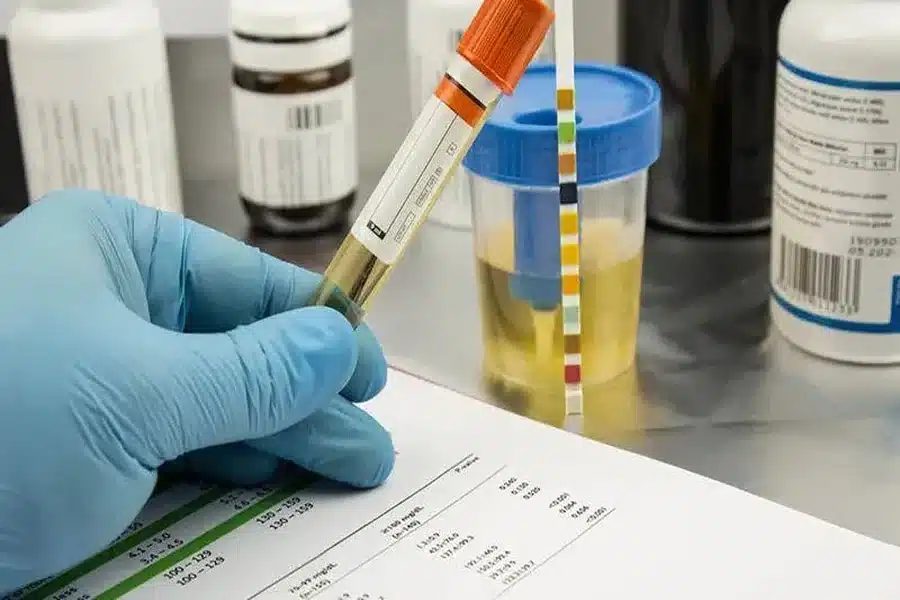
In today’s fast-paced world, the need for rapid and reliable drug screening has never been more critical. Drug test cups provide a convenient and efficient solution for on-site testing, making them widely used for employment screening, rehabilitation programs, and driving safety initiatives. Drug tests play a pivotal role in ensuring safety and compliance across these settings. This article delves into the various methods, types, advantages, and future trends in drug testing, enabling informed decisions for individuals and organizations alike.
Understanding Drug Testing Methods
Drug testing is a process that involves analyzing biological samples to detect the presence of drugs. There are a variety of methods tailored to meet diverse needs, each with its own processes and technologies. Primarily, drug tests can be categorized into qualitative tests, which determine the presence of drugs, and quantitative tests, which measure the specific amount of drugs in the sample.
The popularity of informative online platforms continues to increase as readers look for trustworthy and engaging content that matches their interests. Websites that publish diverse articles in a simple and accessible style are especially attractive to users who enjoy learning through online resources. Many readers now explore brasssmile com to discover useful information, trending discussions, and creative insights shared through high-quality digital content.
The most common samples used in drug testing include urine, saliva, blood, and hair. Urine tests are particularly popular due to their cost-effectiveness and ease of collection. Blood tests, although more invasive, provide a higher level of accuracy about recent drug use. Saliva testing has gained attention for its convenience and ability to detect drugs taken shortly before testing. Hair testing, while less common for immediate use, offers a longer detection window, making it useful for discerning long-term patterns of use.
Types Of Drug Tests
Understanding the different types of drug tests available is crucial for selecting the most appropriate one for specific needs. Here are the primary types:
- Urine Tests: The most frequently used type of drug test, ideal for detecting recent drug use. They can test for multiple substances simultaneously.
- Saliva Tests: These are gaining popularity due to their non-invasive nature and ability to detect recent drug use. Results are often available within minutes.
- Blood Tests: Although requiring a more invasive collection method, blood tests provide a direct measurement of drug levels in the bloodstream, making them highly accurate for determining current impairment.
- Hair Tests: Used to assess long-term drug use, hair testing can detect drug use over a span of months, but results take longer to come back.
- Sweat Tests: These involve collecting sweat from an individual over a period of time, generally useful in continuous monitoring scenarios.
Key Advantages Of Quick Drug Tests
Quick drug tests offer several advantages that make them an appealing choice for various settings:
- Speed of Results: As their name suggests, quick drug tests provide results in minutes to hours, allowing for immediate decision-making. This is critical in high-stakes situations, such as employment or legal matters.
- Ease of Use: Many rapid tests are user-friendly and require minimal training for administration, making them convenient in various environments.
- Cost-Effectiveness: Quick tests often come at a lower price point than traditional lab testing, making them accessible for many organizations.
- Portability: Many quick testing kits are compact and easy to carry, enabling testing in various locations without the need for specialized facilities.
- Reduced Sample Contamination Risk: Quick tests often involve direct collection methods that minimize the risk of tampering compared to laboratory settings.
Factors Affecting Test Accuracy
While quick drug tests have numerous benefits, their accuracy can be influenced by several factors:
- Quality of Test Kit: Not all drug screening kits are created equal. Using a reputable and validated kit is paramount to ensuring reliable results.
- User Error: Improper collection, handling, or interpretation of results can lead to inaccuracies. It’s crucial to follow the provided instructions closely.
- Drug Concentration Levels: The presence of drugs below the testing threshold may go undetected. This is particularly relevant in the case of rapid tests, which may have higher limits of detection compared to laboratory tests.
- Biological Variability: Individual factors such as metabolism, hydration levels, and the presence of certain medical conditions can impact the test results.
Choosing The Right Drug Test For Your Needs
Selecting the right drug test involves evaluating specific requirements and contexts. Here are some key considerations:
- Purpose of Testing: Is the goal workplace safety, compliance, or health monitoring? Different purposes may necessitate different types of tests.
- Substances to Screen: Consider which drugs need to be detected. Some tests screen for a broad range of substances, while others are more focused.
- Turnaround Time: Depending on the urgency, a quick test may be preferable, while comprehensive lab testing might be warranted for more sensitive situations.
- Budget Constraints: Analyzing the cost associated with different testing methods and balancing that with the urgency and importance of the results is necessary.
Future Trends In Drug Testing Technology
As the field of drug testing evolves, several trends are emerging that promise to enhance reliability and convenience:
- Advancements in Technology: Innovations such as touchless drug testing and the increasing accuracy of mobile testing devices are paving the way for more user-friendly and precise options.
- Integration of AI: Artificial Intelligence is being implemented to analyze patterns in drug use and improve the interpretation of test results, helping to identify issues more effectively.
- Biomarkers Research: Ongoing research into specific biomarkers may lead to improved detection methods, enabling more accurate assessments of drug use history.
- Increased Personalization: Future drug testing may allow for more tailored solutions based on individual health profiles, enhancing the validity and reliability of results.
Conclusion
Quick and accurate drug tests are indispensable tools in today’s society, serving various purposes from safety to compliance. Understanding the different methods, types, and advantages of these tests can lead to better decision-making for both individuals and organizations. As technology continues to advance, drug testing will likely become even more convenient and efficient, providing a robust solution for screening needs. By staying informed and making educated choices, one can navigate the complexities of drug testing with confidence.