A Guide to Mongolia’s Most Remarkable Destinations
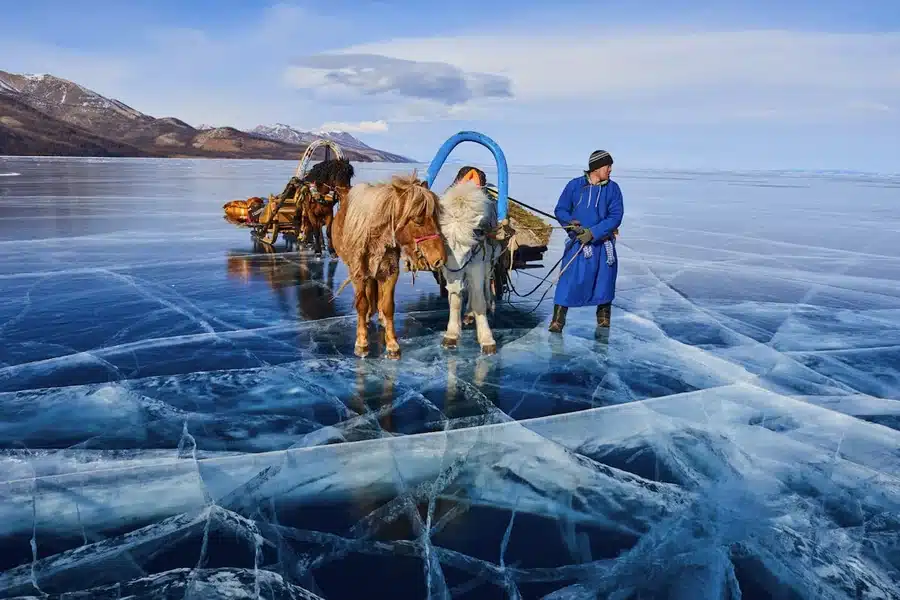
Mongolia stands as one of Asia’s last great frontiers, where endless steppes meet dramatic mountain ranges and ancient traditions thrive alongside nomadic cultures. This landlocked nation offers travelers an authentic experience unlike anywhere else on Earth, from the sweeping Gobi Desert to the pristine waters of its northern lakes. Whether you’re seeking adventure, cultural immersion, or simply an escape from the modern world, Mongolia delivers experiences that will stay with you forever.
The Legendary Gobi Desert
The Gobi Desert captivates visitors with its surprising diversity of landscapes and unexpected beauty. Contrary to popular belief, this vast expanse isn’t just endless sand dunes, though the towering formations at Khongoryn Els certainly steal the show. These singing sands, some reaching heights of 300 meters, create haunting melodies when the wind sweeps across their ridges.
The Gobi also harbors the dramatic Flaming Cliffs of Bayanzag, where paleontologists discovered the first dinosaur eggs ever found. The red-orange sandstone formations glow brilliantly at sunset, creating a photographer’s paradise. Meanwhile, the Yolyn Am canyon offers an oasis of ice that persists even through summer months, nestled between towering rock walls where endangered lammergeiers soar overhead.
Ulaanbaatar’s Cultural Treasures
Mongolia’s capital city serves as the perfect gateway to understanding the country’s rich heritage and modern evolution. The Gandan Monastery stands as the spiritual heart of Mongolian Buddhism, where monks still practice ancient rituals and the golden statue of Migjid Janraisig towers 26 meters high. The chanting ceremonies held here provide visitors with an authentic glimpse into the country’s spiritual traditions.
The National Museum of Mongolia offers comprehensive insights into the nation’s history, from prehistoric times through the Mongol Empire to the present day. Don’t miss the Winter Palace of Bogd Khan, the last Mongolian emperor, which showcases the opulent lifestyle of early 20th-century royalty alongside fascinating collections of taxidermy and religious artifacts.
Khuvsgul Lake and Northern Wilderness
Often called Mongolia’s “Dark Blue Pearl,” Khuvsgul Lake ranks among the world’s most pristine freshwater sources. This massive alpine lake holds nearly 70% of Mongolia’s fresh water and 2% of the world’s total supply. The crystal-clear waters reflect the surrounding mountains and forests, creating scenery that rivals any destination globally.
The region surrounding Khuvsgul offers exceptional opportunities for horseback riding, hiking, and connecting with the Tsaatan reindeer herders who maintain their traditional lifestyle in the nearby taiga. These remote communities welcome respectful visitors who wish to learn about their unique culture and witness how they’ve adapted to one of Earth’s harshest environments.
The Ancient Capital of Karakorum
Karakorum once served as the capital of Genghis Khan’s mighty empire, and though little remains of the original city, the site still resonates with historical significance. The Erdene Zuu Monastery, built in 1585 using stones from the ancient capital’s ruins, stands as Mongolia’s oldest surviving Buddhist monastery. Its 108 stupas surrounding the complex create a striking visual testament to the country’s spiritual heritage.
The nearby Orkhon Valley, a UNESCO World Heritage Site, showcases thousands of years of nomadic culture against a backdrop of stunning natural beauty. Archaeological sites dot the landscape, revealing layers of history from Turkic monuments to Mongol Empire remnants.
Experiencing Nomadic Life on the Steppes
No visit to Mongolia feels complete without experiencing the traditional nomadic lifestyle firsthand. Staying in a ger, the traditional felt dwelling, allows visitors to understand how Mongolians have thrived in this challenging environment for millennia. These stays offer more than accommodation; they provide cultural exchange opportunities where guests can participate in daily activities like milking animals, making traditional dairy products, and learning about sustainable living practices.
Many tours to Mongolia include homestays that connect travelers with herding families who maintain centuries-old traditions. Sharing meals of mutton, dairy products, and traditional beverages like airag (fermented mare’s milk) creates bonds that transcend language barriers.
Planning Your Mongolian Adventure
Mongolia’s extreme continental climate means timing matters significantly for your visit. Summer months from June through August offer the most comfortable weather and coincide with the spectacular Naadam Festival, where locals celebrate their heritage through wrestling, archery, and horse racing competitions.
The shoulder seasons of May and September provide fewer crowds and still-pleasant conditions, though nights grow considerably colder. Winter travel appeals to hardy adventurers seeking the stark beauty of snow-covered landscapes and unique cultural experiences, though temperatures can plummet to minus 40 degrees.
Mongolia rewards those who venture beyond conventional tourism paths with unforgettable experiences and genuine human connections. This remarkable destination challenges travelers while offering profound rewards for those willing to embrace its raw beauty and enduring traditions.