Enhancing Athletic Performance: The Role of Massage in Sports
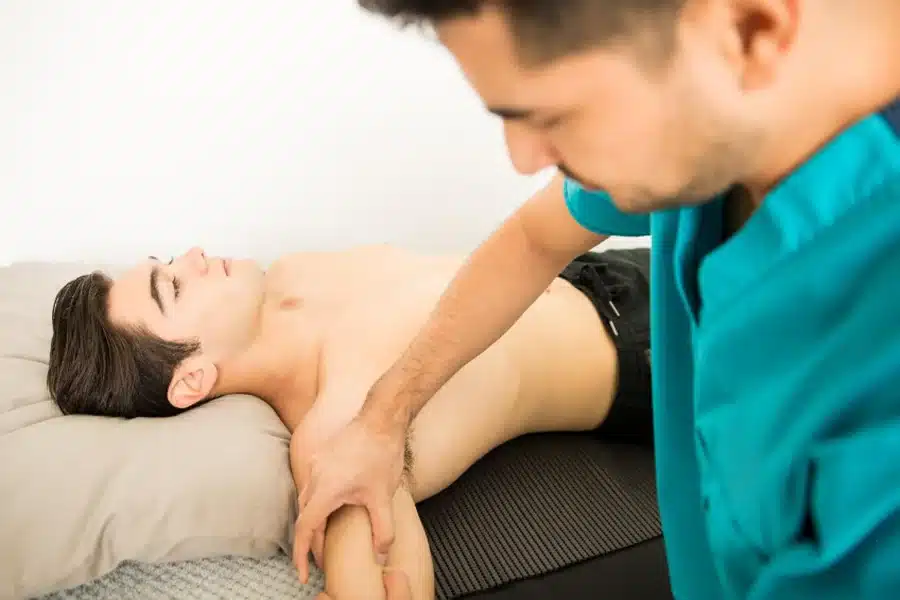
Athletes constantly strive to optimise their performance and minimise injury risk, and physio sports massage plays a critical role in achieving these goals. This specialised form of massage therapy is designed to help athletes prepare their bodies for optimal performance, recover after training sessions, and function better during games or events. Modern sports teams and individual athletes alike have made this an integral part of their training regimes. Physio sports massage combines elements of physiotherapy with traditional massage techniques to cater specifically to the needs of sportspeople.
The Evolution of Sports Massage
Sports massage has evolved over the years to become a vital part of athletic training and recovery programmes. Its roots can be traced back to ancient Greek and Roman civilisations, where athletes used various techniques to prepare their bodies for competition. Over time, these techniques have been refined and scientifically studied, leading to the evidence-based practices used today.
The Science Behind Sports Massage
Physio sports massage is grounded in anatomical and physiological science. By understanding how muscles, tendons, and ligaments work together, physiotherapists can apply specific techniques to address particular needs of the athlete. Techniques such as effleurage, petrissage, and friction are employed to increase blood circulation, enhance lymphatic drainage, reduce muscle tension, and improve flexibility.
Research indicates that sports massage can reduce muscle soreness post-exercise, commonly known as delayed onset muscle soreness (DOMS). It also aids in the quicker removal of metabolic waste products from muscle tissues, resulting in a speedier recovery and a lower risk of injury.
Different Techniques for Different Needs
Not all sports massages are the same, and the techniques used may vary depending on the timing and goals of the session. Pre-event massages focus on warming up the muscles, increasing circulation, and promoting flexibility. This type of massage is usually brisk and invigorating. Meanwhile, post-event massages are designed to calm the nervous system, promote relaxation, and begin the process of recovery.
In training, regular maintenance massages help to keep athletes in peak condition. These sessions can prevent injuries by detecting problem areas before they become full-blown issues. Rehabilitation massages are used to aid recovery from injuries, with a focus on relieving pain and maintaining range of motion.
Benefits for Psychological Well-being
While the physical benefits of sports massage are well-documented, the psychological benefits are equally important. Athletes who undergo regular physio sports massages report improved mental focus, reduced anxiety, and enhanced mood. The act of taking time to focus purely on physical wellbeing has an intrinsic calming effect, helping athletes manage the stress and pressure associated with competitive environments.
Integration into Training Regimes
The inclusion of sports massage in an athlete’s training regime is not arbitrary. Coaches and trainers collaborate with physiotherapists to create a holistic programme that incorporates massage therapy at strategic points in the training cycle. This integration helps ensure that athletes are not only recovering optimally but also preparing effectively for future demands.
Addressing Common Misconceptions
Despite its popularity, physiotherapy sports massage is sometimes misunderstood. One common misconception is that massage is a luxury reserved for rest days. However, it is an active recovery tool that enhances performance even during rigorous training periods. Another myth is that sports massage can replace proper rest or physiotherapy treatments, but it is complementary rather than substitutive.
Customisation for Individual Needs
Each athlete has unique requirements based on their sport, position, body type, and personal health history. Therefore, sports massages are tailored to meet these individual needs. For instance, a sprinter will have different massage needs compared to a long-distance runner due to the distinct demands of their respective sports on the body. Customisation ensures that every athlete receives the maximum benefit from their massage sessions.
Limitations and Considerations
While physio sports massage offers numerous benefits, it is not without limitations. Certain conditions, such as open wounds or severe inflammation, may preclude athletes from receiving massages until they have healed sufficiently. Additionally, the intensity and frequency of massage must be carefully regulated to avoid detrimental effects like soreness or bruising.
The Future of Sports Massage
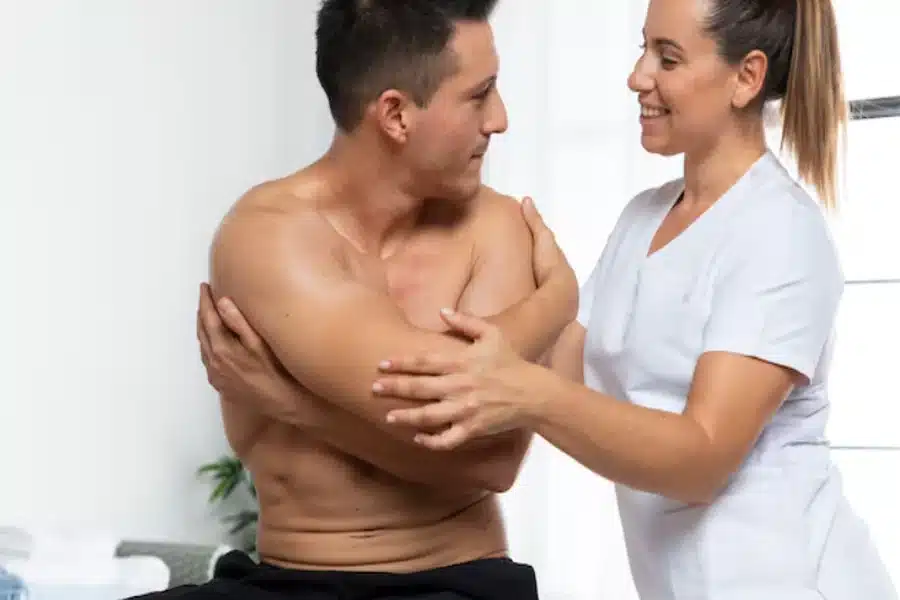
The field of sports massage continues to evolve with ongoing research and technological advancements. Innovations such as myofascial release techniques, fascia manipulation, and the use of cutting-edge equipment like percussive therapy devices are enhancing the effectiveness of traditional methods. Consequently, future trends suggest an even greater adoption of these therapies as they become more refined and accessible.
Conclusion
While sports massage has become an essential component of modern athletic preparation and recovery, the nuanced understanding of its physiological and psychological influences continues to grow. By integrating personalised massage techniques into their regimes, athletes around the world stand to gain a competitive edge through improved performance and reduced injury risks. As the field progresses, the symbiotic relationship between physio sports massage and athletic excellence will undoubtedly be recognised as one of mutual enhancement.