Business Electricity Solutions to Lower Operating Costs
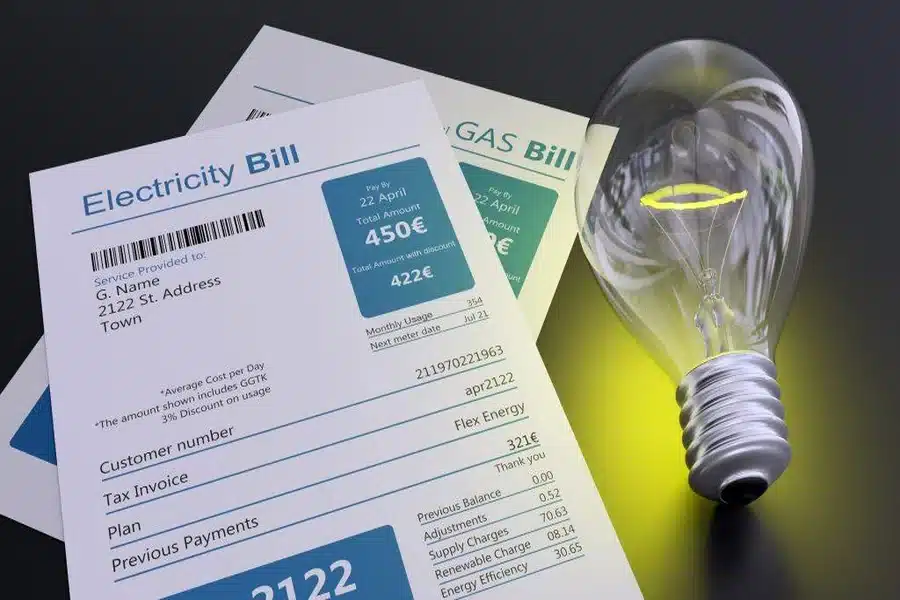
Electricity is a predictable yet often overlooked expense for online businesses, ecommerce operators, and digital-first agencies. As hosting, fulfillment, and office energy needs grow in 2026, managing business electricity spend becomes a key lever for protecting margins and enabling reinvestment in marketing, link building, and product development.
This guide lays out practical business electricity solutions to lower operating costs, no-nonsense tactics that teams can carry out in 90 days and scale over a year.
Why Reducing Business Electricity Costs Matters
Many online and ecommerce businesses assume their energy footprint is small because sales happen online, but electricity costs touch nearly every part of a digital operation: offices, fulfillment centers, local servers, and cloud infrastructure all consume power.
Reducing business electricity prices yields direct margin improvements and indirect benefits:
- Lower volatility in operating budgets
- Better allocation of capital for SEO and link-building campaigns
- Improved sustainability credentials that resonate with customers and partners
Even small improvements in business electricity rates compound over time, especially for high-traffic ecommerce operations or agencies running multiple client sites.
Quantify Your Consumption: Key Metrics and Cost Drivers
Before cutting costs, businesses must measure. Key metrics include:
- kWh consumed monthly (total energy use)
- Peak demand (kW) and demand charges, critical for warehouses and offices
- Cost per kWh after fees and taxes
- Load profile by hour/day to identify peak consumption periods
Gather invoices for the past 12 months, meter data from facility managers, and usage reports from colocation or cloud providers. For online businesses, hosting and fulfillment often surprise operators as the largest electricity contributors once staff and office loads are optimized.
How Business Electricity Costs Impact Margins and Operations
Electricity affects three primary margin levers:
- Fixed operating cost
- Variable cost per order
- Infrastructure overhead
In fulfillment centers, lighting, conveyors, and HVAC add cents to every order. In hosting, on-prem servers or inefficient colocation setups increase monthly bills and IT overhead.
For agencies and SEO providers, higher business electricity prices can reduce budgets for outreach or paid link strategies. Cutting costs translates directly into a longer marketing runway and improved ROI.
Common Myths About Commercial Energy Savings
Myth 1: “LEDs alone solve the problem.” LEDs help, but ignoring HVAC, motors, and process scheduling leaves savings on the table.
Myth 2: “Renewables are too expensive for small teams.” Declining solar costs, incentives, and third-party financing make renewable energy accessible to small businesses with short paybacks.
Myth 3: “Cloud always reduces energy costs.” Cloud providers transfer infrastructure costs to customers. Inefficient architecture or overprovisioned instances can increase bills. Right-sizing and designing for efficiency are key.
Believing these myths delays action and inflates costs. A measured approach—audit, quick wins, procurement, and targeted upgrades—delivers the best ROI.
Quick No-Cost and Low-Cost Wins to Reduce Electricity Spend
Behavioral Changes and Staff Policies
Simple policies can deliver consistent savings:
- Enforce shutdown policies for computers and screens
- Set default sleep modes
- Limit personal space heaters
- Educate staff on energy-friendly practices
- For hybrid teams, encourage lights-off policies in meeting rooms and stagger start times
Small behavior shifts compound. One company reduced peak HVAC load by 12% after instituting a simple desk-lighting policy.
Lighting, Power Strips, and Smart Thermostats
- Replace incandescent and older fluorescent bulbs with LEDs
- Install smart power strips for peripherals
- Deploy smart thermostats with setback schedules
These measures typically pay back within 6–18 months. Smart thermostats alone can save 8–12% on heating and cooling costs in climates with large temperature swings.
Scheduling and Load Shifting
Identify non-time-sensitive loads—bulk backups, batch processing, large data transfers—and schedule them during off-peak hours when business electricity rates are lower.
For ecommerce, schedule warehouse cleaning, major software updates, and non-critical builds overnight to reduce demand charges and take advantage of off-peak kWh rates.
Smart Procurement: Shop Rates, Tariffs, and Supplier Contracts
Procurement is where most businesses leave money on the table. Small contract or tariff adjustments can generate ongoing savings.
How to Read Commercial Electricity Bills
Commercial bills include energy charges (kWh), demand charges (kW), fuel or capacity fees, and taxes. Watch for:
- Meter multipliers
- Minimum monthly charges
- Billing errors, like duplicate taxes or incorrect tariff codes
Regularly reconciling invoices against meter data and industry benchmarks will surface overcharges.
Choosing the Right Tariff
- Time-of-use (TOU): ideal if consumption can shift to off-peak hours
- Demand charges: critical for facilities with high peak loads; sometimes a higher per-kWh rate with lower demand charges is preferable
- Fixed vs. variable rates: fixed contracts protect against spikes but remove upside when market rates fall; hybrid strategies often work best
Using Brokers, Aggregators, or Energy Market Tools
Brokers and aggregators can unlock better rates but choose experienced commercial brokers with transparent fee structures. Use energy market tools, comparison platforms, forward price calculators, and automated tendering to access competitive best business electricity rates.
Strategic Upgrades and Investments with Fast Payback
LED Lighting, Efficient HVAC, and Server Right-Sizing
- LED retrofits and efficient HVAC units with variable-speed drives
- Optimize server racks through consolidation, virtualization, and moving cold workloads to efficient cloud regions
These reduce electricity consumption and cooling needs while ensuring unused capacity isn’t paid for.
Onsite Renewables and Storage
- Solar with battery storage reduces grid consumption and provides resilience
- Virtual power purchase agreements (vPPAs) or green tariffs offer economic access to renewables
Batteries help shave demand peaks, lowering business electricity prices and smoothing load profiles for TOU benefits.
Financing, Incentives, and ROI Models
- Calculate annual dollar savings, apply tax credits or local incentives, and include maintenance costs
- Financing options include leases, PPAs, and equipment loans
- Many jurisdictions offer rebates for LEDs and HVAC upgrades
Monitoring, Automation, and Ongoing Optimization
Energy Management Systems and IoT Sensors
- Deploy systems that ingest meter, HVAC, lighting, and server telemetry
- IoT sensors provide granular data on temperature, occupancy, and power draw
- Cloud dashboards centralize insights across offices and warehouses
KPIs, Alerts, and Reporting
Track:
- kWh per order
- Peak demand
- Cost per kWh
- Percentage of load shifted off-peak
Set automated alerts for unusual demand spikes or vendor SLA breaches. Monthly reports tie energy performance to finance and operations, driving accountability.
90-Day Implementation Roadmap
Week 1–2: Collect 12 months of bills, meter data, and hosting invoices; identify top 3 energy drivers.
Week 3–4: Apply no-cost policies, deploy smart power strips, start LED replacements.
Week 5–6: Review procurement, compare business electricity, negotiate supplier contracts.
Week 7–8: Pilot server right-sizing, schedule batch jobs off-peak, tune HVAC.
Week 9–12: Evaluate solar/battery feasibility, finalize financing, configure monitoring dashboards.
This roadmap delivers measurable savings in 30–60 days while setting up longer-term projects.
Measuring Success and Expected Results
Key stakeholders: operations manager, IT lead, finance/controller, executive sponsor.
Budget: small project fund for quick wins, separate capex for pilot upgrades.
Track savings by monitoring:
- Monthly kWh
- Reduced demand charges
- Dollar savings
Expect 5–15% electricity reduction in 3 months from behavioral and procurement changes, and 15–35% in 12 months after upgrades and renewables.
Conclusion
Business electricity solutions to lower operating costs are practical, measurable, and growth-aligned. For online businesses and agencies, every dollar saved can be redeployed into link building, content, or customer acquisition.
Start with audits, implement no-cost and low-cost measures, optimize procurement, and invest in high-payback upgrades.
Optimizing business electricity rates, prices, and overall consumption is no longer optional—it’s a strategic lever for growth in 2026 and beyond.