Enhance Your Ride with Stylish Custom Convertible Tops
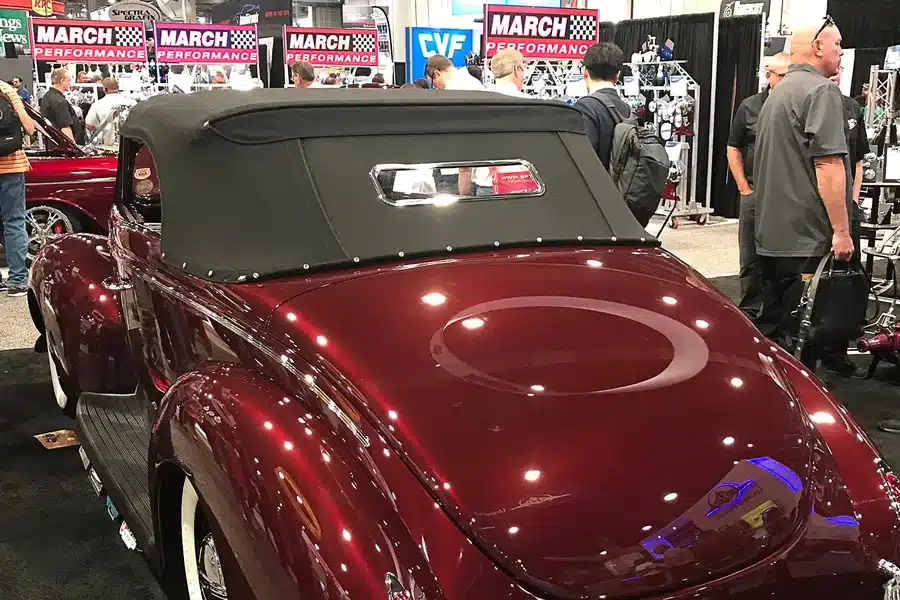
There is something unmistakably appealing about a convertible. It offers a different kind of driving experience, one that feels more open, more personal, and often more memorable than an ordinary ride. But one detail has an outsized effect on both appearance and comfort: the top itself. A worn, faded, or poorly fitted roof can make even a beautiful car feel tired. A well-made replacement, on the other hand, can completely refresh the vehicle.
That is why so many owners look into custom convertible tops when they want to improve both style and function. The right top does more than cover the cabin. It shapes the look of the car, affects insulation and weather protection, and can even influence resale appeal. It is one of the most visible upgrades a convertible owner can make, and one of the most practical.
Choosing a new top is not just about picking a color and moving on. Material, fit, maintenance, durability, and design all matter. Some drivers want a classic, elegant finish. Others want something low-maintenance and budget-conscious. Some are focused on long-term weather resistance, while others are drawn to the chance to personalize the car and make it feel more unique.
This guide takes a closer look at how to choose the right convertible top, how different materials compare, what customization options can do for the overall look of the car, and how proper care helps protect the investment.
Why the Convertible Top Matters So Much
On a convertible, the top is not a minor detail. It is a major design element. When the roof is raised, it becomes one of the first things people notice. When it is lowered, the fit, folding mechanism, and overall condition still influence how polished the car appears.
A quality top also affects everyday comfort. It helps reduce noise, protects the interior from weather, and contributes to the cabin’s ability to stay cooler in heat or more insulated in cold conditions. If the top begins to leak, fade, sag, or crack, the effect is more than cosmetic. It changes how enjoyable the car is to own.
That is one reason custom convertible tops are so important. A well-chosen replacement can restore the vehicle’s appearance while also improving practical performance. Instead of settling for a generic solution, owners can select a top that fits the character of the car and the conditions in which it is actually driven.
Understanding the Main Material Choices
One of the first and most important decisions involves material. For most convertible owners, the main comparison is between canvas and vinyl. Each has strengths, and the better option depends on budget, climate, and the kind of look the driver wants.
Canvas for a Classic and Refined Look
Canvas tops are often chosen for their upscale appearance. They tend to offer a richer texture and a more traditional finish, which many owners feel gives the car a premium feel. On classic models or luxury convertibles, canvas can look especially fitting.
Canvas is also known for being more breathable than vinyl. That can help with comfort, especially in warm weather, since heat buildup may be less intense when the top is up. Many canvas options are treated to improve water resistance, which makes them more practical for daily use.
Still, canvas usually requires more care. Dirt, mildew, and environmental buildup can become more noticeable if the material is neglected. Owners who choose it generally need to be comfortable with a little more maintenance in exchange for the elevated look.
Vinyl for Durability and Simpler Maintenance
Vinyl remains a popular choice because it is practical. It is usually more affordable than canvas, easier to clean, and highly resistant to moisture. For drivers who want a polished appearance without more demanding upkeep, vinyl can be a sensible option.
It also performs well in many weather conditions and is less likely to absorb moisture in a way that creates maintenance issues. That makes it attractive for people who store their cars outside more often or who want a material that is easier to live with on a daily basis.
The tradeoff is that vinyl can feel less refined than canvas, and it may become hotter in strong sun because it is less breathable. It may also lack some of the texture and richness that owners often want in a more premium custom finish.
How Climate and Usage Should Influence the Choice
Material decisions should not be based on appearance alone. How the car is used matters just as much.
A driver in a hot, sunny region may care more about heat control, UV resistance, and whether the top holds its appearance over time. Someone in a rainy environment may prioritize water resistance and ease of cleaning. A car that is used mostly on weekends and stored in a garage may allow for a more style-driven choice, while a daily driver may need something more practical and durable.
That is one reason custom convertible tops should be chosen with real habits in mind. A top that looks great in theory may not feel like the right decision if it is difficult to maintain in the local climate or under the owner’s driving conditions.
The better choice is usually the one that fits both the vehicle and the owner’s routine.
The Role of Color in the Overall Look
Color matters more than many people expect. It affects not only the style of the car, but also the mood it projects.
A black top remains one of the most popular choices because it looks clean, classic, and versatile. It works with a wide range of body colors and tends to hold resale appeal because it feels timeless. Dark blue and charcoal tones can offer a similar sense of refinement while giving the car a slightly different personality.
Lighter shades such as beige, tan, gray, or white can create a fresher and more relaxed feel. These colors often pair beautifully with vintage-inspired cars or with body colors that benefit from contrast. They can make the car feel brighter and more distinctive.
Bolder shades can create a stronger statement. A deep red or blue top, for example, may not suit every vehicle, but on the right car it can make the design feel more expressive and memorable.
Color choice also affects practicality. Darker tops may show dust differently, while lighter tops may reveal stains more easily. The decision is both visual and functional.
Style Is About More Than the Fabric Itself
When people think about custom convertible tops, they often focus on the main material and color. But the overall style of the top also comes from smaller design details.
The way the top fits the frame is one of the most important. A tight, clean fit looks intentional and polished. A loose or uneven fit can make even a new top seem lower in quality. The shape of the roofline also changes the silhouette of the car, especially when the top is up. On some vehicles, that curve adds elegance. On others, it contributes to a sportier feel.
Window configuration matters too. Some convertible tops feature glass rear windows, while others use flexible plastic. Glass often feels more premium and may offer better long-term clarity, but the best choice depends on the design of the vehicle and the structure of the top.
Details such as seams, stitching, and edges all contribute to the final impression. A carefully finished top does not just replace what was there before. It makes the entire car feel more complete.
Personalization Can Make a Big Difference
One of the best things about going custom is the ability to tailor the top to the vehicle and the owner’s taste. This is where the upgrade becomes more than functional.
Contrast stitching can add a subtle premium touch. Special piping can give the roofline more definition. Certain finishes can make the material look more traditional, more modern, or more performance-inspired depending on the overall style of the car.
Some owners want the new top to match the original factory appearance as closely as possible. Others prefer to update the look and make the car feel more personal. Both approaches can work well.
The key is balance. Customization should support the design of the vehicle rather than fight against it. The best results usually feel intentional, not random.
Fit and Function Need to Work Together
Style matters, but a convertible top is still a working part of the car. It needs to open, close, seal, and sit correctly over time.
A good top should fold properly without unnecessary strain. It should line up with the windows and weather seals. It should not create excessive wind noise or leave gaps that allow moisture inside. Even the most attractive top can become frustrating if it does not function smoothly.
This is why fit is everything. A precise fit affects noise levels, weather resistance, and the overall appearance of the car. Professional installation is often worth considering for this reason alone. Even a quality top can underperform if it is installed poorly or stretched incorrectly.
For many owners, the best custom convertible tops are the ones that combine visual improvement with everyday reliability.
Caring for the Top So It Lasts
A convertible top is exposed to sunlight, rain, dirt, dust, and changing temperatures. Proper care helps protect both the look and performance of the material.
Canvas tops usually benefit from regular brushing and occasional cleaning with products designed specifically for fabric roof materials. Water-repellent treatments may also help maintain resistance over time. Letting dirt sit too long can lead to staining or mildew, especially in humid climates.
Vinyl tops are generally simpler to maintain. Mild soap, water, and soft cloths are often enough for routine cleaning. Harsh chemicals should be avoided, since they can dry out the material or damage the finish. Some owners also use protectants to help preserve color and flexibility.
Storage habits matter too. Keeping the vehicle garaged or covered when possible can slow fading and reduce wear. Even a high-quality top lasts longer when it is protected from constant exposure.
Knowing When It May Be Time for Replacement
Convertible tops do not last forever, even when cared for well. Recognizing signs of wear early can help owners avoid larger problems.
Fading, cracking, frayed stitching, cloudy rear windows, loose fit, and water leaks are all common indicators that the top is approaching the end of its useful life. Difficulty opening or closing the roof can also suggest wear in the material or surrounding hardware.
A small issue may sometimes be repaired, but once several signs appear at once, replacement often makes more sense than repeated patchwork. A fresh top can dramatically improve the look of the vehicle while restoring function and protecting the interior from further damage.
In many cases, replacing an aging top improves the overall value of the car, especially if the rest of the vehicle is in strong condition.
What the Future May Bring
Convertible top design continues to evolve. Newer materials are being developed to improve weather resistance, reduce fading, and increase comfort. Some innovations focus on lighter-weight construction. Others explore more advanced coatings or smarter textiles that react better to sunlight and temperature changes.
Sustainability is becoming part of the conversation too. More drivers are paying attention to the environmental impact of the products they choose, which may lead to greater interest in recycled or lower-impact materials in the years ahead.
While the basics of style and protection remain the same, the options available to owners are likely to keep improving.
Final Thoughts
A convertible is already a statement vehicle, and the top plays a huge role in how that statement is made. The right choice can sharpen the look of the car, improve comfort, protect the interior, and make every drive feel more rewarding.
That is why custom convertible tops are such a worthwhile upgrade. They offer the chance to restore what has worn out, personalize what feels generic, and create a better balance between style and function.
Whether the goal is a classic canvas look, an easy-care vinyl finish, or a more tailored design with thoughtful details, the best result comes from choosing a top that suits the vehicle, the climate, and the way the car is enjoyed.
When done well, it does more than cover the cabin. It completes the ride.