
What Areas Around Your Property Attract The Most Mosquitoes?
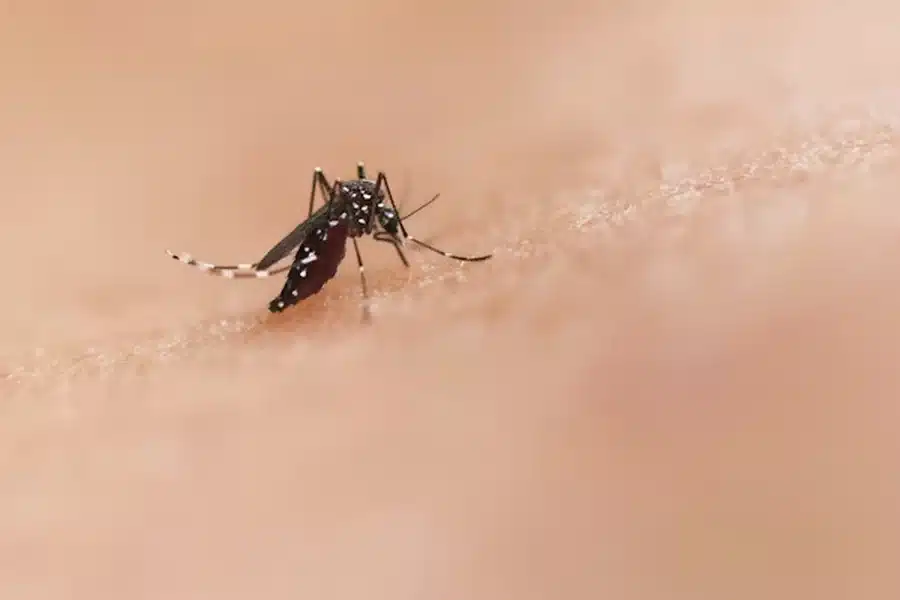
Mosquitoes are more than just a seasonal nuisance—they can quickly turn an otherwise peaceful outdoor space into an uncomfortable and even risky environment.
Have you ever questioned yourself why some areas of your property are more prone to attracting more mosquitoes than others? You are not alone.
Knowledge of the hotspots is the first step toward regaining your yard and enjoying your outdoor areas once again.
Interestingly, mosquitoes are not scattered everywhere; they are attracted to specific conditions that favor their breeding, feeding, and resting. In the shadowy spots of standing water, or in shaded recesses that hold water, your property can be offering the ideal home to these intractable pests, without your knowledge.
Thus, by recognizing and eliminating these problem areas, you can greatly reduce mosquito activity. Continue reading to learn more!
1. Standing Water: The Ultimate Breeding Ground
Standing water is by far the most important factor attracting mosquitoes. Typically, mosquitoes depend on stagnant water to deposit their eggs, and even the tiniest amount can sustain their life cycle.
For example, gutters, birdbaths, flowerpot saucers, and discarded containers are all capable of storing water following a rain. As a result, such neglected areas become optimal breeding grounds for mosquito larvae.
In areas like Star, homeowners often face persistent mosquito issues due to favorable outdoor conditions. This is why seeking mosquito control near Star can be an effective step toward managing infestations and protecting your outdoor spaces. Taking action early helps prevent mosquito populations from multiplying and becoming harder to control.
Moreover, it’s important to recognize that mosquitoes don’t need large bodies of water. Indeed, even a bottle cap full of water can suffice. It is important to examine your premises regularly to determine the presence of water.
Therefore, instead of waiting until the breeding cycle has started, you can prevent it by filling in and cleaning these areas as often as possible.
2. Shady and Damp Areas Around Landscaping
Mosquitoes are also attracted to shady, damp areas. To prevent dehydration, they take refuge in cool, wet areas during the heat of the day. Due to this, thick vegetation, overgrowth of bushes, and grass can often be ideal hiding places.
Moreover, shaded spots under decks, porches, and large trees take longer to dry than sunlit areas. This provides a favorable habitat for mosquitoes, allowing them to remain in your yard.
Thus, you can keep these places less welcoming by keeping your landscaping trimmed and enhancing air circulation. This will not only minimize the number of mosquitoes but will also improve the overall look of your property.
3. Poorly-kept gutters and Drainage systems
Another typical, frequently ignored mosquito habitat is your gutter system. In cases of clogged gutters with leaves and other debris, water pools and becomes stagnant. These concealed places may be the best breeding grounds without your knowledge.
Similarly, inadequate drainage in and around your yard may result in puddles that linger even after it rains. Water can collect in low-lying areas, small soil patches, and ungraded slopes. This is why proper drainage is an important aspect of mosquito control.
Regular cleaning of guttering and addressing drainage problems can go a long way toward minimizing the risk of infestation.
4. Outdoor Buildings and Stored Property
Human-made structures and stored items can be a source of attraction for mosquitoes. Tarp, worn tyres, buckets, and outdoor furniture covers are some of the items that may collect rainwater and provide the best conditions for breeding.
Also, sheds or storage areas that are not maintained can serve as dark, damp places where mosquitoes can rest undisturbed.
Similarly, children’s toys, wheelbarrows, and even unused grills can retain water when exposed. Therefore, it’s important to store these items properly or ensure they are regularly emptied and cleaned.
This way, you will be clearing potential mosquito habitats that might otherwise be overlooked.
5. Water Features and Decorative Elements
Although water features such as ponds, fountains, and birdbaths may add beauty to your property, they can be a source of mosquitoes when not well-maintained. Stagnant or slowly flowing water is especially inviting for laying eggs. This, however, does not imply that you have to remove all these features.
Rather, you can make proactive steps to ensure that they are mosquito-free. For example, a pump may be added to move water, or natural predators such as fish may be introduced to control mosquito larvae.
In addition, it is possible to regularly clean and refresh the water to prevent stagnation. With proper maintenance of these features, you can enjoy the aesthetic benefits while avoiding unwanted pests.
6. Trash and Organic Debris Accumulation
The accumulation of organic debris is another factor contributing to mosquito activity. Leaves, grass cuttings, and compost can be piled up, creating a damp area that attracts mosquitoes.
Furthermore, garbage containers that are not closed can collect water and provide shelter and breeding grounds.
This is the reason why it is important to maintain and keep your property clean. It is easy to regularly remove yard waste and cover trash containers, which helps, to a considerable extent, eliminate mosquito habitats.
7. Water Bowls and Pet Areas
Another consideration for pet owners is how their animals’ environment can become a habitat for mosquitoes. Water bowls kept outdoors may easily become breeding grounds unless frequently changed.
Likewise, places where pets like to sleep can get shaded and wet, making them appealing mosquito habitats.
To overcome this, clean the pet water bowls thoroughly every day. Moreover, it is recommended to keep pet areas dry and well-ventilated to minimize mosquito presence. These few changes can make a tangible difference in reducing pests around your house.
Conclusion
Mosquitoes are naturally drawn to areas with standing water, moisture, shade, and shelter. Common problem spots include clogged gutters, overgrown landscaping, neglected outdoor items, and decorative water features—each of which can easily become a breeding ground. The good news is that most of these issues can be prevented with regular maintenance and simple, consistent care.