How to Talk to Your Kids About Changes in Your Physical Appearance
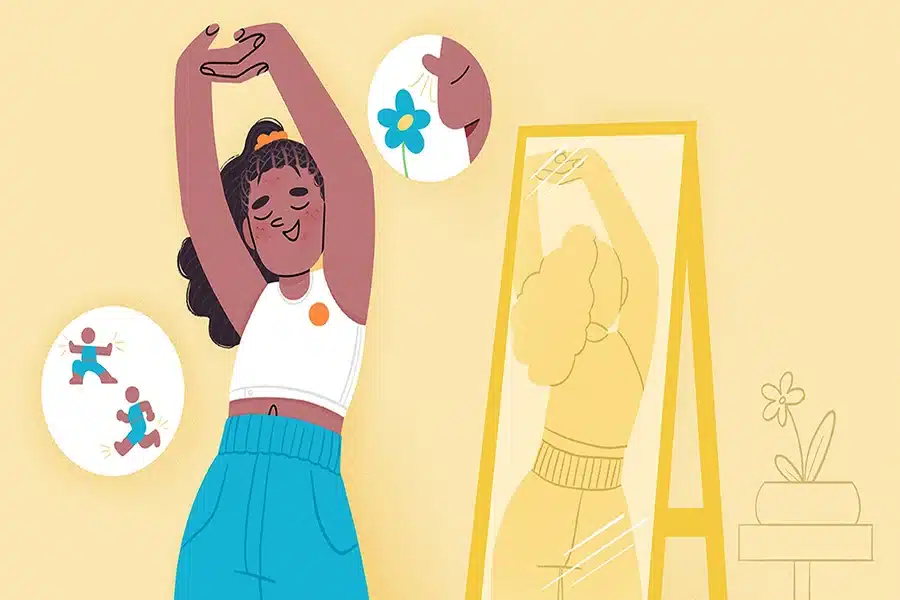
Alright, let’s be real—kids are way more observant than we usually give them credit for. A tiny new haircut? They notice. You dig out those old funky glasses from the back of your drawer? They’ve got something to say. Now, if you’re about to make a really noticeable change—maybe you’re getting braces, shaving your head, trying out a bold new hair color, or even going through rhinoplasty—you can bet your kids will pick up on it fast. The last thing you want is for them to be scared or confused (or to hit you with an awkward question at the grocery store). So, how do you actually help them adjust?
Start With Honesty and Simplicity
You don’t need to write a novel or hit them with every little detail—kids zone out after a while anyway. The key is to be open, keep it age-appropriate, and focus on the basics. If you’re having a procedure, for instance, you might say: “Mom’s face is going to look a little different because I’m getting some work done to help me feel better about myself,” or “Dad’s nose will be sore for a while after surgery, but it’s nothing to worry about.”
That’s usually enough to calm most nerves. Keep a bit of lightness in your tone—kids feed off your energy. If you’re calm, they’ll be calm.
Show Them You’re Still You
Even with something big—like facial plastic surgery—remind your kids that you’re absolutely the same person on the inside. This can sound silly, but little kids especially latch onto the idea that “change is scary.” You might even compare it to things they know: “Just like you got new shoes and you’re still you, I might look different but I’m still the same mom/dad.” For slightly older kids (think age seven and up), you can talk a bit about why grown-ups make these decisions, whether it’s about health, confidence, or something else.
Let Them Ask Questions (And Don’t Get Offended!)
You never know what’s about to pop out of a kid’s mouth. “Will your face fall off?” “Will you look like a superhero?” Sometimes, kids want reassurance, sometimes they just want to test what they can say. Roll with it, answer honestly (“Nope, my face is staying put!”), and try not to get defensive if they’re blunt or even a little silly about it. Make it safe for them to ask questions—no matter how weird.
Give Them a Little Time
Sometimes, kids act like they’re fine in the moment, then get weird (quiet, goofy, or even clingy) after you actually show up looking different. It’s normal. Be patient, offer extra hugs, and let them know it’s okay to need a bit of time to get used to the new look. This is especially true if you’re swollen or bandaged for a while.
Share Stories or Examples
If you know someone else who’s had a similar change (maybe a family friend or a favorite character in a show), mention them. “Do you remember when Grandpa shaved his beard and you barely recognized him for a week?” Sharing stories makes change seem less scary and more like a part of life.
Seek Out Resources
Sometimes a picture book or a little online video made for kids helps them visualize what’s going on.
The bottom line? Give them honesty, a dash of humor, and a little time. Kids run with change quicker than most adults, and soon enough, that new look will just be another part of “normal” in your family’s story.