Pure Wave Test: 8 Ways Infrared Sauna Reviews Verify Heater Efficiency
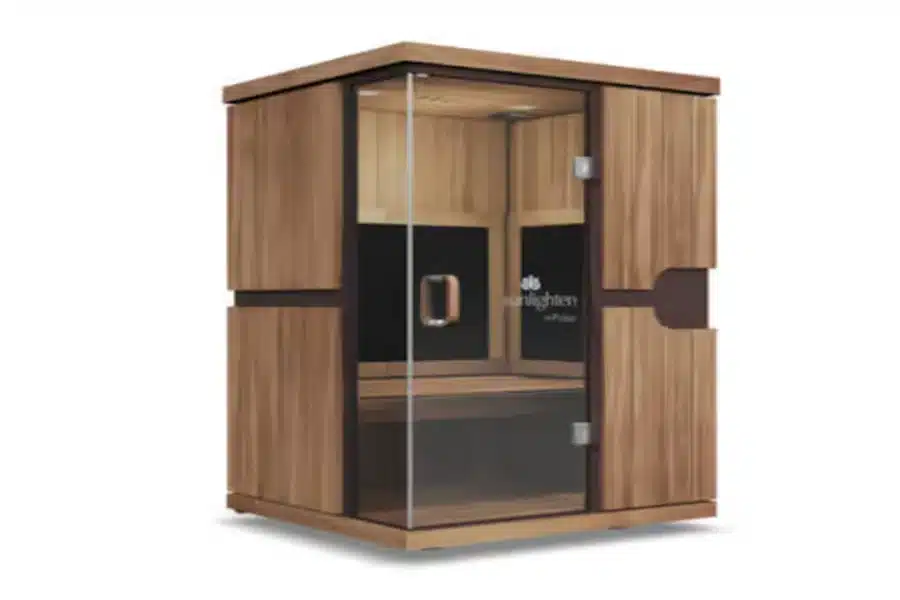
When comparing technical specifications, it can become confusing to select an infrared sauna. There are many products that claim to provide full-spectrum heating, ultra-low EMF systems, and deeper infrared penetration, but not all of them do.
The placement of heaters, infrared distribution, thermal uniformity, and material quality all factor into whether the sauna provides even heat or a hotspot within the sauna. For this reason, technical review analysis plays an increasingly crucial role in distinguishing engineering terminology from marketing jargon.
This is where the Pure Wave Test comes in handy. The Pure Wave Test is not just a temperature measurement; it’s about the sauna’s ability to provide a well-balanced infrared distribution throughout the body.
This article discusses the eight ways that infrared sauna reviews can prove that the heaters are efficient before you purchase a system.
1. Measure Full-Body Infrared Coverage
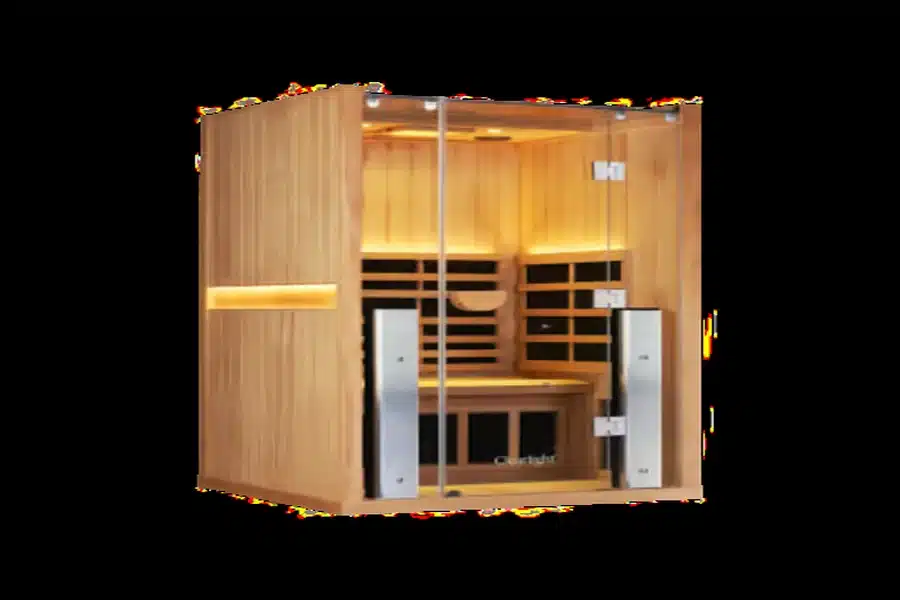
In many infrared saunas, the number of heaters and the temperature they achieve are touted as measures of performance. But those specs don’t tell you much about the evenness of the infrared distribution through the cabin during actual sessions.
The placement of heaters, gaps in lower-body coverage, and false full-spectrum claims can have a huge impact on long-term comfort and recovery performance. That’s why some of the reviews of infrared saunas that are more focused on engineering have begun to focus more on thermal consistency, EMF testing, and infrared distribution analysis rather than simple marketing metrics.
Infrared sauna reviews such as this one on Outliyr, follow this more technical method of evaluation. They examine the placement of the heaters, full-spectrum function, exposure to EMF and EMR, material quality, and lower-body coverage based on the advertised specifications rather than the primary factors.
2. Test for Full-Spectrum Heating Performance
The Pure Wave Test also checks for the effectiveness of the near, mid, and far infrared radiation that the sauna emits, rather than vague marketing-speak. The far infrared wavelengths are often correlated to greater thermal penetration and increased sweat production, and the near and mid infrared wavelengths have a different contribution to thermal balance.
Technical infrared sauna reviews are sometimes a study of how even these specific wavelengths are across the body during longer sessions. This helps to understand the overall heating consistency and session comfort.
3. Measure EMF And EMR Output Levels
But one of the biggest engineering considerations of infrared sauna design is its exposure to electromagnetic fields. The Pure Wave Test is used to determine if the sauna keeps lower EMF and EMR readings during use, as the user will be sitting near the powered heating elements.
Independent testing is increasingly used for many technical assessments, rather than relying solely on manufacturers’ claims. Reviews also always cover the location where measurements are performed, as distant measurements may not reflect actual operating conditions.
4. Compare Heater Material Efficiency
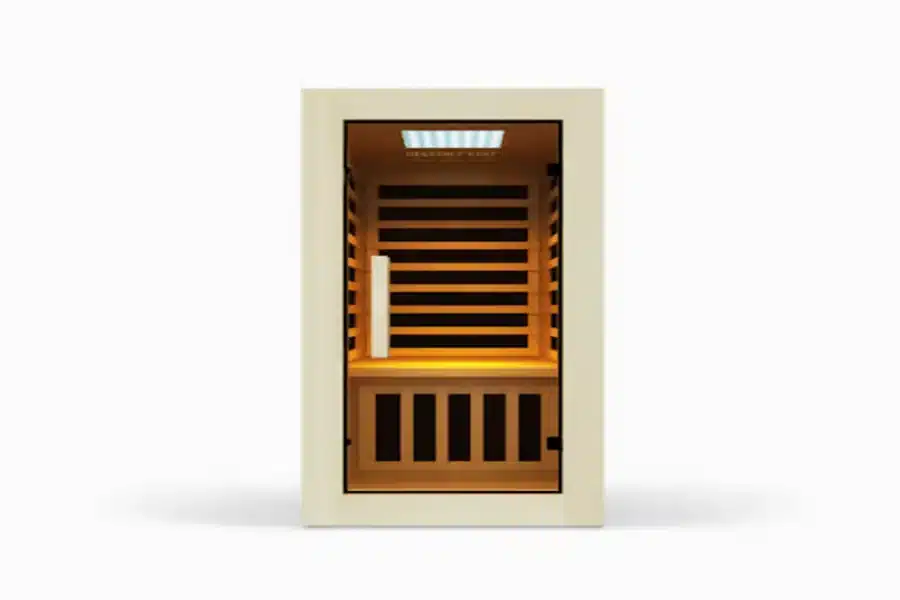
The type of material in a heater directly affects the distribution of infrared energy in the cabin. Carbon heaters are appreciated for their wide and even heat distribution, and ceramic heaters are known for their intense heat.
The Pure Wave Test compares the way that these systems keep things constant and do not create uncomfortable hot spots. Technical evaluations emphasize balanced infrared delivery and long-term session comfort, rather than maximum heat output.
5. Estimate Thermal Consistency
There are infrared saunas that heat up quickly at the beginning and then can’t keep up the heat through longer sessions. For this reason, the Pure Wave Test has been created to test the insulation quality, heat retention, and overall thermal balance after multiple uses.
The efficient saunas keep the heat uniform throughout the cabin and enable more uniform exposure of the body to the infrared system. This enhances general comfort during extended recuperation sessions.
6. Evaluate VOC and Off-Gassing Hazards
Material quality is very important as infrared heat exposure can impact the air quality inside the cabin. Evaluation of Volatile Organic Compounds and off-gassing risks is thus included in the Pure Wave Test.
Technical infrared sauna reviews often discuss how much less toxic adhesives were used, how carefully the sauna was in selecting wood interiors, and how cleaner the construction materials were. Some systems are also third-party VOC tested under heated conditions.
7. Examine Strategic Heater Placement
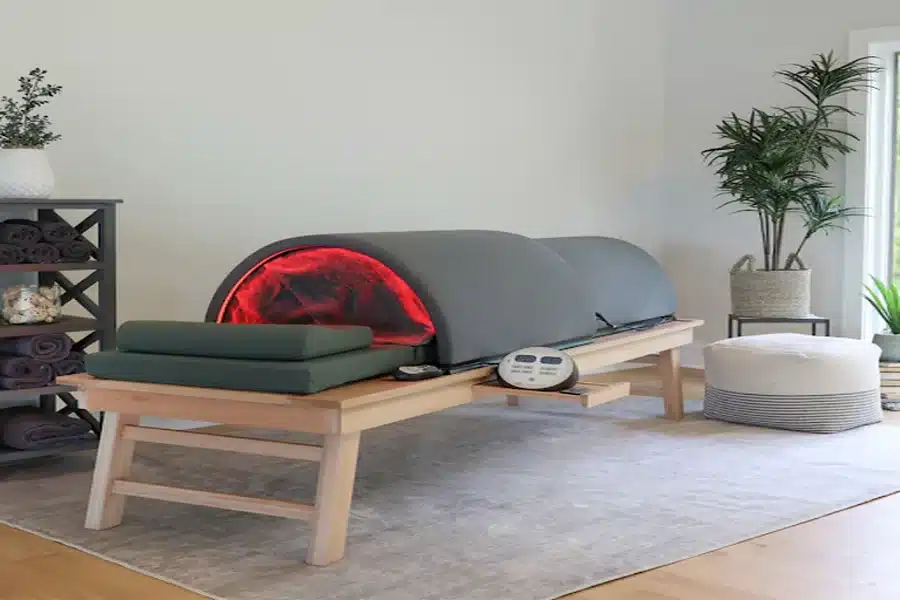
One of the most overlooked aspects of infrared sauna engineering is strategic heater placement. The Pure Wave Test focuses on how efficiently infrared energy surrounds the body instead of simply counting installed panels.
Technical evaluations have shown that poorly positioned heaters can reduce overall infrared effectiveness even in larger cabins. Efficient systems position heaters around the sides, calves, lower body, and major muscle groups to improve thermal balance.
8. Evaluate Real-World Recovery Performance
Technical specifications matter, yet practical experience ultimately determines whether an infrared sauna performs efficiently over time. Because of this, the final stage of the Pure Wave Test evaluates sweat response, airflow balance, thermal comfort, and overall infrared consistency during repeated use.
These observations help separate well-engineered sauna systems from products designed primarily around aggressive marketing claims.
Pure Wave Test Creates a More Reliable Sauna Evaluation Standard
Infrared sauna performance depends on far more than heater count or high temperature claims. The Pure Wave Test evaluates how efficiently a sauna distributes balanced infrared energy while maintaining stable thermal consistency, lower EMF exposure, cleaner material construction, and effective full-body coverage.
Technical infrared sauna reviews that follow this evaluation approach analyze heater placement, full-spectrum functionality, VOC testing, and overall infrared distribution instead of relying only on simplified marketing specifications.
As infrared sauna technology continues evolving, engineering-focused analysis has become increasingly important for identifying systems designed around measurable performance instead of surface-level advertising.