Why The Future Favors Flexibility Over Permanence
The Future Belongs To What Can Bend
For a long time, permanence felt like the safest goal. People wanted stable careers, fixed business plans, permanent offices, long product cycles, and systems that could stay the same for years. A permanent structure gave people something to trust. It made the future feel less uncertain.
But the world now changes faster than many permanent systems can handle. This is why flexible thinking matters in nearly every part of life. Even practical industries built around fastening, organizing, and adjusting materials show the value of adaptability. Businesses that work with hook and loop manufacturers understand that the ability to attach, remove, reposition, and reuse something is often more useful than locking it in place forever.
Permanence Can Create A False Sense Of Safety
Permanence feels reassuring because it promises control. A fixed plan says, “We know what will happen.” A rigid system says, “This is how things work.” A permanent structure says, “This will last.”
The problem is that modern life often refuses to follow the script. Technology changes. Markets shift. Work expectations evolve. Climate pressures grow. Customer habits move. Families relocate. Skills become outdated faster. What once looked secure can quickly become limiting.
Flexibility does not mean refusing commitment. It means staying ready to adjust when the facts change. A flexible person, business, or system can still have values, direction, and discipline. It simply avoids confusing stability with stiffness.
Technology Punishes Rigidity
Artificial intelligence is one of the clearest examples of why flexibility now matters so much. Tools that seemed advanced a few years ago can feel outdated quickly. Entire workflows are changing as automation, data analysis, and generative systems become more common.
The World Economic Forum’s Future of Jobs Report 2025 points to technological change, economic uncertainty, demographic shifts, and the green transition as major forces shaping work through 2030. That means the future is not asking people to learn once and settle in. It is asking them to keep learning.
Rigid organizations often respond to new technology with fear or delay. Flexible ones ask better questions. What can this improve? What risks need attention? What skills do people need next? What should remain human, and what can be supported by tools?
Work Is Becoming More Fluid
The old model of work was built around fixed places, fixed hours, fixed roles, and fixed career ladders. That model still exists in many industries, but it no longer describes the whole picture. Remote work, hybrid teams, contract roles, portfolio careers, career changes, and global collaboration have made work more fluid.
The OECD’s future of work research explores how technology, globalization, demographics, and policy are changing jobs and skills. These shifts make flexibility more than a perk. They make it a practical requirement.
Workers need to adapt their skills. Employers need to adapt their structures. Leaders need to adapt how they measure productivity, build culture, and support teams. The companies that insist every job must look exactly like it did ten years ago may struggle to attract and keep talent.
Flexible Spaces Support Changing Lives
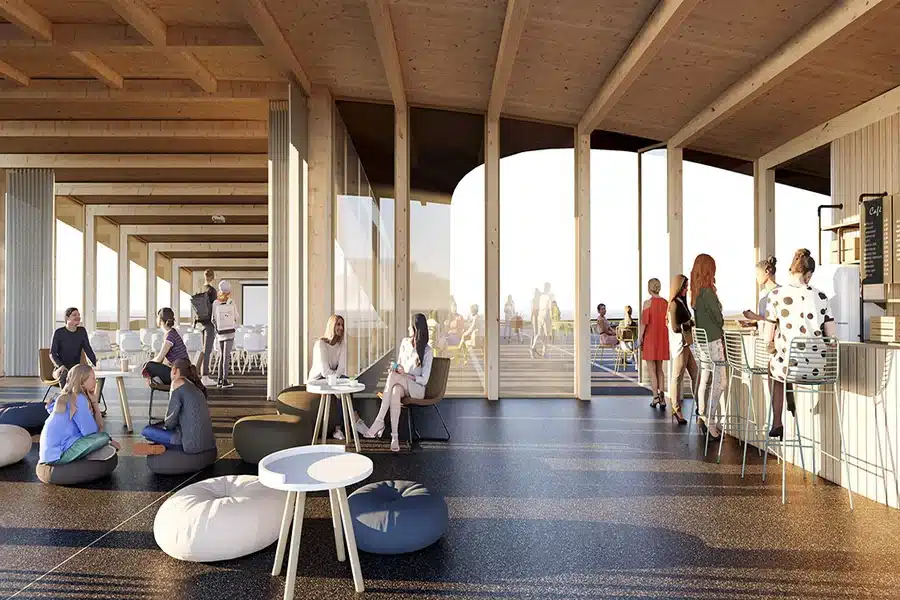
The preference for flexibility is not limited to work. It also shows up in homes, schools, stores, healthcare spaces, and public environments. People want spaces that can serve more than one purpose.
A dining room may become a homework zone. A bedroom may include a work corner. A retail space may need to host events. A classroom may shift between group learning and quiet focus. A warehouse may need to change layouts as inventory patterns shift.
Permanent design can be beautiful, but if it cannot adapt, it may age quickly. Flexible design creates room for life to change without requiring a complete rebuild every time something new happens.
Businesses Need Options, Not Just Plans
Planning still matters. In fact, it matters more when the world is uncertain. But modern planning works best when it includes options.
A rigid business plan assumes one path. A flexible plan prepares for several. It watches signals, tests ideas, learns from customers, and adjusts before problems become crises. This does not mean chasing every trend. It means building enough awareness to know when change is necessary.
The most resilient businesses often combine a stable purpose with flexible methods. They know what they stand for, but they are willing to change how they deliver value.
Flexibility Helps Reduce Waste
Permanence can be wasteful when it forces replacement. If a product cannot be repaired, it gets thrown away. If a room cannot be rearranged, it gets renovated. If a system cannot be updated, it gets abandoned. Flexibility can extend usefulness.
Modular furniture, repairable products, adaptable work tools, reusable packaging, and adjustable systems all support longer lifespans. They allow people to change parts instead of replacing everything.
This matters because sustainability is not only about using better materials. It is also about designing things that can keep serving people as needs change.
The Human Side Of Flexibility
Flexibility is not only a business strategy or design principle. It is also emotional. People need the ability to change their minds, recover from setbacks, learn new skills, and rethink old assumptions.
That can be uncomfortable. Permanence gives the comfort of identity. Flexibility asks us to admit we may not be finished becoming who we are. It asks us to stay curious instead of defensive.
A flexible mindset does not treat change as proof that the past was wrong. It treats change as part of staying alive, useful, and connected to reality.
Not Everything Should Be Temporary
Flexibility does not mean everything should be disposable, casual, or unstable. Some things should remain steady. Values matter. Trust matters. Safety matters. Craft matters. Relationships matter. A future built only on constant change would exhaust everyone.
The point is not to reject permanence completely. The point is to be careful about where permanence belongs. The foundation can be steady while the structure adapts. A company’s mission can stay clear while its tools evolve. A home can feel grounded while its rooms change function. A person can keep core principles while learning new ways to live them.
Adaptability Is Becoming A Survival Skill
The future favors flexibility because disruption is no longer rare. It is part of the environment. AI, climate pressure, economic uncertainty, shifting workforce expectations, new technologies, and changing social habits all reward systems that can adjust.
Permanence once promised safety, but rigidity now creates risk. A plan that cannot change may become a burden. A product that cannot update may become irrelevant. A workplace that cannot adapt may lose people. A lifestyle that cannot shift may become harder to sustain.
Flexibility creates room for response. It allows people and organizations to meet change with movement instead of panic. The future will still need strong foundations, but the winners will be the ones that know how to bend without breaking.