The Manhattan Problem: Getting a Car Delivered Where Trucks Can’t Go
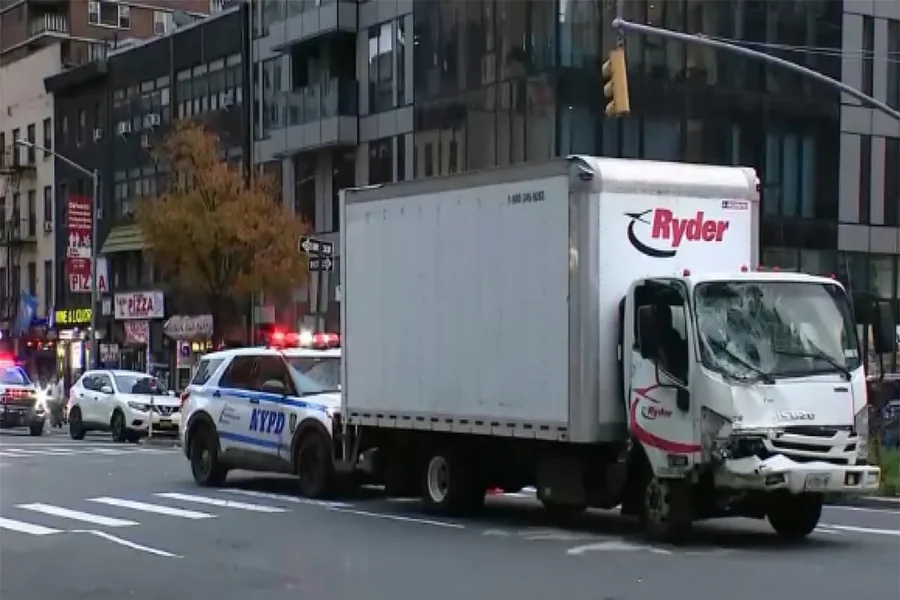
Shipping a vehicle to Manhattan sounds simple—until the truck arrives. One of the biggest surprises for first-time customers is learning that the auto carrier usually won’t be able to pull up directly in front of their apartment building.
Unlike suburban deliveries, transporting a vehicle into Manhattan involves navigating narrow streets, commercial vehicle restrictions, heavy traffic, limited loading space, and strict parking rules. In many cases, the last mile of the journey is the most challenging—and sometimes the most expensive.
Many customers researching naviautotransport.com ask why their vehicle can’t simply be delivered to their exact address. The answer has less to do with the car itself and much more to do with how commercial trucks operate in New York City.
This guide explains why Manhattan deliveries are different, what to expect on pickup or delivery day, and how to make your vehicle shipment as smooth as possible.
Why Manhattan Is One of the Most Difficult Delivery Locations
Auto transport trucks are designed for long-distance highway travel, not dense urban neighborhoods.
A fully loaded car carrier may be.
- Up to 75 feet long
- Over 13 feet tall
- Carrying eight to ten vehicles
- Weighing tens of thousands of pounds
While these trucks move efficiently between states, navigating Manhattan presents a completely different challenge.
Drivers must deal with:
- Congested traffic
- Limited turning space
- Narrow one-way streets
- Delivery restrictions
- Constant pedestrian activity
As a result, reaching the exact delivery address is often impossible or impractical.
Truck Route Restrictions
New York City has designated truck routes that commercial vehicles are expected to use. Trucks making deliveries may leave those routes only by the most direct path to their destination before returning to the truck network. Manhattan also includes limited truck zones with additional restrictions. (nyc.gov)
This means a large auto carrier cannot simply drive through every neighborhood the way a passenger vehicle can.
Low Bridges and Tight Streets
Certain parts of Manhattan include:
- Low-clearance structures
- Narrow intersections
- Sharp turns
- Streets lined with parked vehicles
Even if GPS suggests a direct route, it may not be suitable for a large commercial transporter.
Professional drivers carefully plan their routes to avoid getting trapped on streets that aren’t designed for oversized vehicles.
Parking Is a Major Challenge
Even when a truck reaches your neighborhood, finding a legal place to stop is another issue.
Large commercial vehicles often cannot:
- Double-park safely.
- Block traffic lanes.
- Stop in bus lanes.
- Occupy loading zones without authorization.
- Wait outside apartment buildings for extended periods.
Because unloading a vehicle takes time, drivers usually need a location where they can operate safely without disrupting traffic.
That’s Why Meeting Points Are Common
Many customers are surprised when they’re asked to meet their driver nearby.
Common meeting locations include:
- Shopping center parking lots
- Large retail parking areas
- Commercial districts
- Wide side streets
- Industrial areas
- Open public parking lots
These locations give the carrier enough room to unload your vehicle safely.
This isn’t poor service—it’s standard practice throughout New York City.
Why the Last Mile Costs More
Many people assume pricing should decrease as the destination gets closer.
In Manhattan, the opposite can happen.
The final few miles often involve:
- Heavy traffic delays
- Multiple turns
- Restricted truck routes
- Parking challenges
- Extra coordination with customers
A truck might spend less time traveling 100 highway miles than it spends completing the last few miles inside Manhattan.
Time—not just distance—is a major factor in transportation costs.
Door-to-Door Doesn’t Always Mean Your Front Door
Auto transport companies commonly advertise door-to-door service.
In practice, this means the vehicle is delivered as close to your address as safely and legally possible.
If access isn’t practical, your driver will suggest a nearby location.
This approach is common in:
- Manhattan
- Downtown Brooklyn
- Queens neighborhoods
- Jersey City
- Hoboken
It’s an industry standard rather than an exception.
What About Pickup?
The same challenges apply when shipping a vehicle out of Manhattan.
Instead of attempting pickup on a narrow residential street, your driver may request that you meet them at a larger nearby location.
Doing so often speeds up the pickup process for everyone involved.
How to Prepare for Delivery
A little preparation can make delivery much easier.
Before your scheduled arrival:
- Keep your phone nearby.
- Confirm the meeting location.
- Bring identification if required.
- Allow extra travel time.
- Inspect the vehicle carefully before signing paperwork.
Being flexible helps prevent unnecessary delays.
Preparing Your Vehicle
Whether you’re shipping into or out of Manhattan, prepare your vehicle by:
- Washing the exterior.
- Photographing every side.
- Recording existing scratches or dents.
- Removing personal belongings.
- Leaving approximately one-quarter tank of fuel.
- Removing toll transponders.
- Checking tire pressure.
- Charging the battery.
- Reporting any mechanical issues.
These steps help ensure a smooth
inspection during both pickup and delivery.
Common Misunderstandings
Many first-time customers expect:
- Exact pickup times.
- Home delivery on every street.
- Immediate unloading upon arrival.
In reality, drivers must balance multiple deliveries while complying with city traffic and truck regulations.
Flexibility helps everyone involved.
Tips for a Smooth Manhattan Shipment
To make your transport experience easier:
- Book two to four weeks in advance.
- Keep your pickup window flexible.
- Be willing to meet at a nearby truck-friendly location.
- Answer calls from your driver promptly.
- Review the vehicle carefully before accepting delivery.
These simple steps reduce delays and improve the overall experience.
Final Thoughts
Shipping a vehicle to or from Manhattan is less about the distance traveled and more about the final few miles. Narrow streets, designated truck routes, traffic congestion, parking limitations, and commercial vehicle regulations all make urban deliveries more complex than suburban ones.
The good news is that experienced auto transport companies deal with these challenges every day. By understanding why meeting points are often necessary, staying flexible on delivery day, and preparing your vehicle in advance, you can enjoy a smooth and predictable shipping experience—even in one of the busiest cities in the world.