What Changing Texas Housing Trends Mean for Multifamily Investors
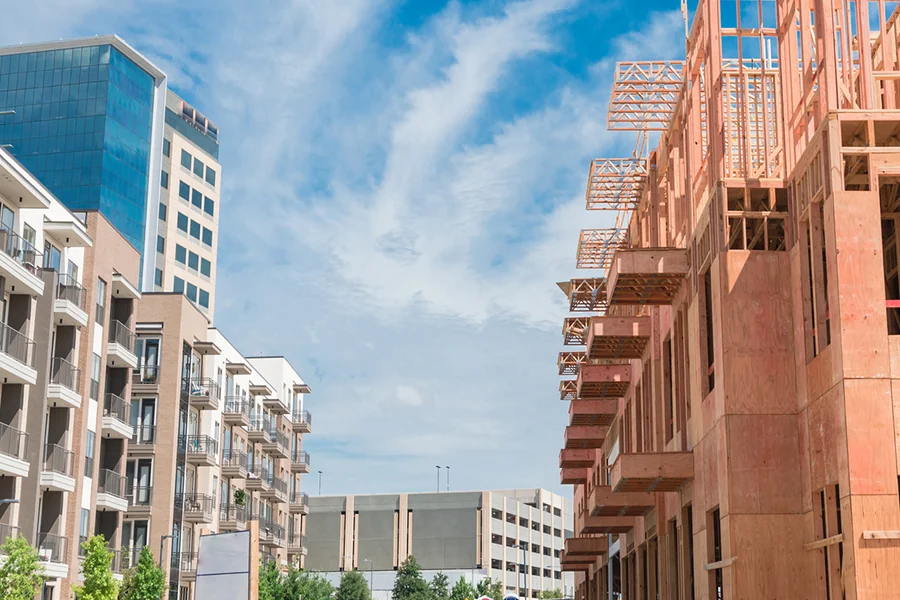
Texas apartments are moving out of a massive supply wave, but the hangover isn’t over. Vacancy remains elevated, rents are still under pressure, and concessions haven’t disappeared.
For Texas multifamily real estate investments, today’s conditions create a buyer’s market with a catch: not every deal is a bargain. Austin, Dallas-Fort Worth, and Houston are recovering at different speeds, so timing, submarket selection, and realistic rent assumptions matter more than a statewide headline.
What Changing Texas Housing Trends Mean for Multifamily Investors
The broad picture is simple. Texas built a serious number of apartments, and many of those units are still working through lease-up. Vacancy across major metros has hovered roughly in the low teens, while annual rent growth has stayed negative in several markets.
The Dallas Fed’s multifamily analysis links falling rents to excess supply and expects concessions to restrain rent growth through mid-2026. That doesn’t mean demand vanished. It means new supply arrived faster than renters could absorb it.
Construction is now cooling. The 2026 Texas Real Estate Forecast projects fewer than 35,000 statewide multifamily deliveries for the year. Fewer deliveries should give existing properties more room to fill units and trim concessions.
Occupancy usually improves before landlords regain real pricing power. Don’t confuse a better leasing quarter with an instant rent-growth comeback.
Texas housing trends aren’t one story. An overbuilt Austin submarket can behave nothing like a mature Houston neighborhood near major employment.
Housing Market Update: Truth About Home Prices & Mortgage Rates
Why slower construction could improve the investment outlook
Less new construction means fewer brand-new competitors offering eight weeks free and shiny clubrooms. That can support occupancy, then renewals, then rents. In that order.
The tradeoff is near-term pain. Buyers may find better basis today, but cash flow can stay thin while properties compete for tenants. Underwrite current concessions, lease-up costs, insurance, taxes, debt costs, and operating expenses. A deal that only works with aggressive rent growth isn’t a deal. It’s a hope with a spreadsheet.
Population growth still supports long-term rental demand
Texas still has the ingredients apartment investors want: job creation, company relocations, population growth, and homeownership that remains expensive for many households. Renting often wins on monthly flexibility, even when a tenant wants to buy someday.
But demand isn’t evenly spread. Properties near employment hubs, hospitals, universities, transit, schools, and daily retail have a sturdier tenant base. The statewide case for Texas is useful. The submarket case is what pays the bills.
Austin, Dallas-Fort Worth, and Houston offer different investor opportunities
These metros share a supply problem, but they aren’t interchangeable investment plays.
Austin is a recovery play, but rent growth may take time
Austin took the hardest hit after an extraordinary development run. Matthews reported Q1 2026 asking rents of $1,500 per unit, annual rent growth of negative 4.7%, and vacancy of 13.5% in its Austin multifamily market report.
Still, conditions are improving at the edges. The pipeline has shrunk, and fewer new deliveries should arrive in 2026 than during the prior surge. North Austin, Northeast Austin, Round Rock, Georgetown, and Leander can offer stronger demand stories than heavily supplied pockets closer to downtown.
Cap rates around 5.5% to 6.5% may show up in marketed deals, but that range isn’t a promise. Favor well-located assets with manageable lease-up exposure and enough cash to wait for the recovery.
Houston is drawing buyers toward existing value-add assets
Houston is attracting buyers who want existing properties rather than ground-up construction risk. Mid-market assets, especially 50- to 300-unit properties built between 1980 and 2018, can offer room to improve operations and renovate selectively.
The appeal is straightforward: buy below replacement cost, fix obvious operational leaks, and avoid competing directly with a fresh wave of luxury supply. Houston’s path back to pre-pandemic vacancy may be faster than Austin’s.
Don’t skip the unglamorous checks. Verify local employment, flood exposure, insurance premiums, property taxes, collections, and nearby competing properties before putting a number on an offer.
Houston Home Prices: What to Expect in 2026
How multifamily investors can respond to Texas market changes
The best response to Texas housing trends is selective buying, not broad exposure to every metro with a Texas address.
A great team of local brokers, property managers, lenders, insurance advisers, and contractors can help investors separate genuine value from properties with deeper operational problems.
Underwrite for today’s vacancy, not tomorrow’s perfect recovery
Use conservative occupancy, renewal, rent-growth, and concession assumptions. Stress-test another soft year, a slower lease-up, higher repairs, and tighter refinancing terms.
A property should work on current income plus a believable recovery path. Pro forma rents are useful. They aren’t rent checks.
Plan for a longer hold and a gradual exit
Patient capital has an advantage here. Build cash reserves, avoid fragile debt structures, and use exit cap rates that don’t depend on a fast market rebound.
Cap rates and pricing may improve slowly. Steady operations and durable cash flow matter more than a quick resale.