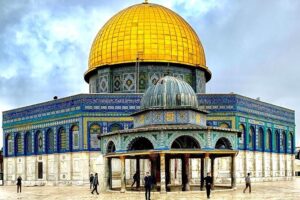
From Jerusalem to Global Development: Lessons From a Career Building Across Four Continents
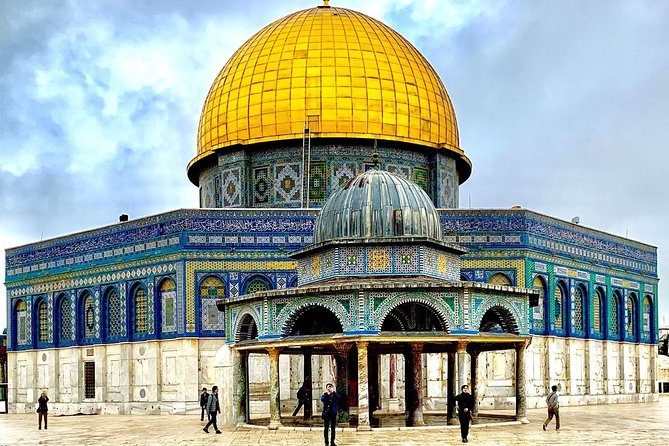
Big projects often begin with one simple decision.
Sometimes that decision is to change cities. Sometimes it is to change careers. Sometimes it is to leave home and start over somewhere completely new.
Many people dream about building something meaningful. Fewer decide to take the first step. That first step often matters more than the biggest project that follows.
A career that stretches across multiple continents does not happen overnight. It grows through years of learning, adapting, and solving problems one project at a time.
The World Bank estimates that developing countries will need trillions of dollars in infrastructure investment over the coming decades to support growing populations and stronger economies. At the same time, the United Nations projects that nearly 70% of the world’s population will live in urban areas by 2050. Those numbers show why experienced leaders who understand international development continue to play an important role.
Global development is not simply about constructing buildings. It is about creating places where people can live, work, travel, and build better futures.
Every Journey Starts Somewhere
Jerusalem has long been a meeting point of history, culture, and ideas.
Growing up in a city with thousands of years of history teaches an interesting lesson. Every structure tells a story. Every neighborhood has changed over time.
Those observations stay with people.
Many future leaders first learn to think about communities before they ever think about construction.
Military service adds another layer.
It teaches preparation.
It teaches teamwork.
It teaches responsibility.
Those lessons remain useful long after the uniform comes off.
One international developer, Ron Yeffet, once described carrying those habits into his first years in the United States. During an early construction project in New York, a supervisor suggested skipping one final review to save time. Instead, the team walked the site one more time. They discovered that heavy equipment would have blocked access for emergency vehicles during the first week of work. “That extra walk took less than an hour,” he recalled. “Changing the site plan afterward saved days of disruption.”
Small decisions often shape large outcomes.
Learning a New Market
Moving to another country means starting over.
Every business environment has its own rules.
Construction standards change.
Permits change.
Business customs change.
Success depends on learning quickly.
Many professionals make the mistake of assuming what worked in one place will automatically work somewhere else.
International development rewards curiosity.
The best leaders ask questions before offering answers.
Listen Before You Lead
Local knowledge saves time.
An engineer who has worked in one city for twenty years understands challenges that no report can fully explain.
Traffic patterns.
Seasonal weather.
Approval timelines.
Neighborhood concerns.
Listening to local experts creates stronger plans.
Growth Comes One Project at a Time
Large careers are usually built through steady progress.
One successful project creates another opportunity.
Each project teaches something new.
Some lessons come from success.
Others come from mistakes.
According to the Project Management Institute, organizations with structured planning practices consistently report higher project success rates than organizations with weaker project management.
Preparation compounds over time.
Experience compounds too.
Every completed project becomes part of the next one.
Bigger Projects Require Bigger Teams
No one builds major infrastructure alone.
Projects depend on architects, engineers, contractors, suppliers, government agencies, and community leaders.
Leadership becomes less about giving instructions.
It becomes more about creating alignment.
Everyone needs the same goal.
Everyone needs clear responsibilities.
When that happens, progress accelerates.
Infrastructure Shapes Everyday Life
People notice finished buildings.
They often overlook the systems supporting them.
Roadways.
Power plants.
Energy networks.
Utilities.
These projects make modern life possible.
The Global Infrastructure Hub estimates that the world faces an infrastructure investment gap of approximately $15 trillion by 2040 if current investment trends continue.
Meeting that need requires more than funding.
It requires experienced planning.
It requires strong partnerships.
It requires patience.
Think Beyond Construction
The opening day matters.
The next twenty years matter more.
A roadway should still improve traffic years later.
A power facility should continue serving growing communities.
Strong infrastructure creates lasting value because people rely on it every day.
Communities Matter as Much as Concrete
Development is about people.
Buildings support communities.
Infrastructure connects communities.
Relationships strengthen communities.
Successful international projects recognize this from the beginning.
Good leaders spend time understanding local priorities before construction begins.
Questions become part of the planning process.
How will traffic change?
How will businesses operate?
How will neighborhoods benefit?
These conversations improve projects.
They also build trust.
Trust often becomes the difference between a difficult project and a successful one.
Adapt Without Losing Your Standards
Working across four continents teaches flexibility.
Different regions solve problems differently.
Good leaders adapt their methods.
They keep their principles.
Preparation remains important.
Honesty remains important.
Accountability remains important.
Respect remains important.
These values travel well.
The process may change.
The standards should not.
Five Lessons From International Development
Anyone can apply these ideas.
They work beyond construction.
Stay Curious
Every project begins by learning.
Ask more questions than you answer.
Build Relationships Early
Strong partnerships solve problems faster.
Do not wait for challenges before building trust.
Prepare More Than You Think Necessary
Good preparation rarely feels exciting.
It often produces the biggest results.
Respect Local Experience
The people closest to the work often see solutions first.
Listen carefully.
Think Long Term
Make decisions that will still make sense years from now.
Short-term success is helpful.
Long-term value creates lasting impact.
Building Across Continents Changes Perspective
Working in different countries teaches humility.
No one knows everything.
Every location offers new lessons.
Every project brings unexpected challenges.
Every team contributes different strengths.
That perspective creates better leaders.
It encourages preparation instead of assumptions.
It encourages collaboration instead of control.
It encourages steady progress instead of shortcuts.
Global development is often measured by completed projects.
The more important measure comes later.
Did the roadway improve transportation?
Did the infrastructure support growth?
Did the project continue serving people years after construction ended?
Those questions define lasting success.
A career that stretches from Jerusalem to projects across four continents shows that leadership is not measured by how many places you work. It is measured by how consistently you solve problems, earn trust, and leave communities stronger than you found them.