Single-Injection vs. Multi-Injection Viscosupplementation: Selecting Intra-Articular Hyaluronan Therapies for Knee Pain
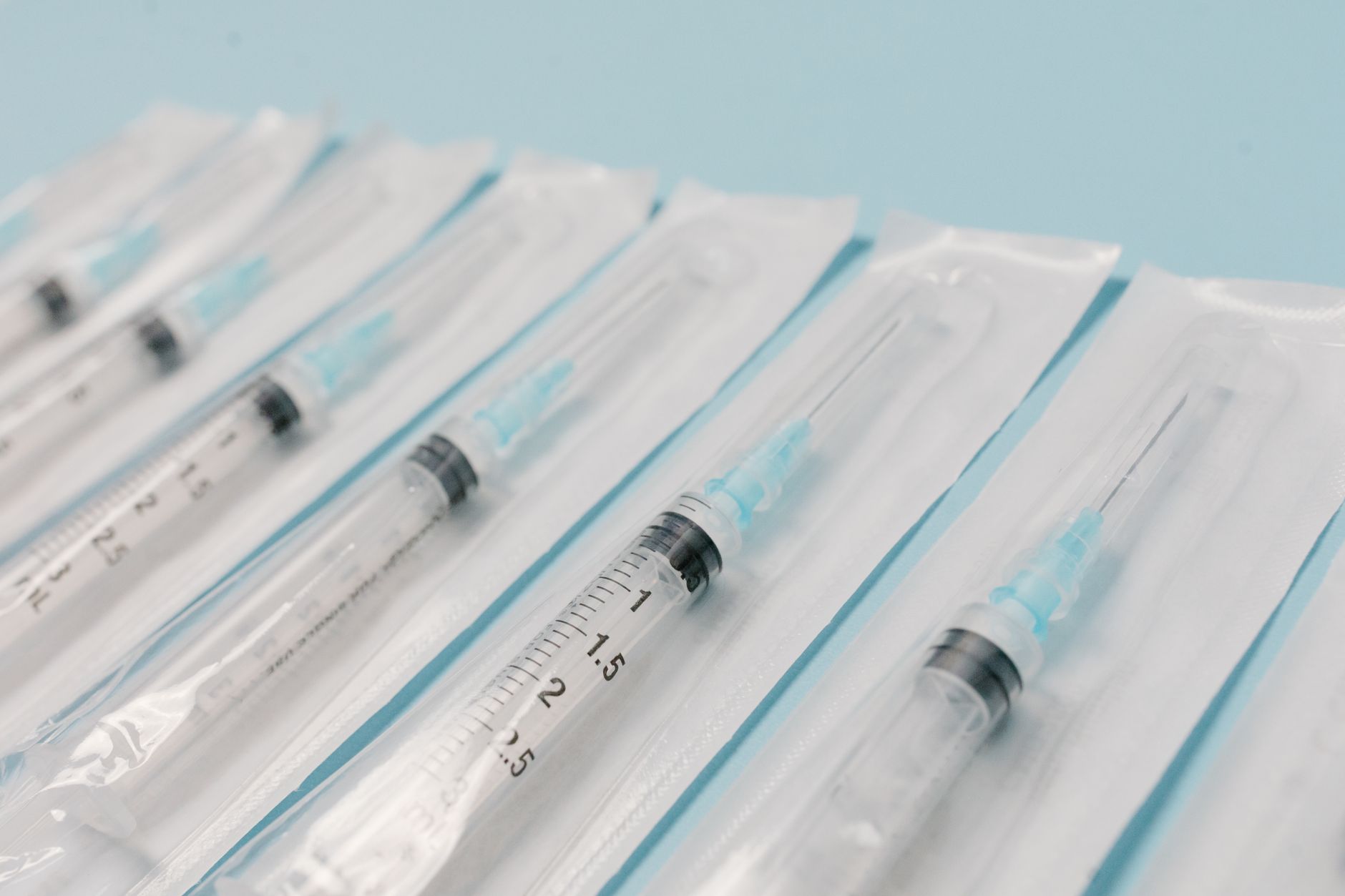
Knee osteoarthritis alters the physical properties of joint fluid long before cartilage wear shows up on a standard radiograph. Healthy synovial fluid depends on endogenous hyaluronic acid — a high-molecular-weight glycosaminoglycan — to act as a lubricant during slow joint movement and a shock absorber during heavy loading. As native chains fragment under enzymatic breakdown and oxidative stress, joint friction climbs. Pain follows. Stiffness sets in quickly. Intra-articular viscosupplementation aims to restore this internal environment by introducing exogenous hyaluronic acid (HA) directly into the joint capsule, buffering articular cartilage against mechanical wear while temporarily altering local inflammatory signaling.
Clinicians choosing an intra-articular regimen face an overwhelming supply of cross-linked, linear, avian-derived, and biofermented products. Deciding between a single-dose treatment and a classic multi-injection series — typically three to five weekly clinic visits — requires balancing molecular weight, residence time inside the capsule, patient follow-through, and procedural infection risks.
Synovial Breakdown and the Rheological Rationale for Hyaluronan
Healthy human knees hold roughly 2 to 4 milliliters of synovial fluid with an HA concentration between 2.5 and 4.0 milligrams per milliliter. Healthy native HA features an average molecular weight around 6 to 7 million Daltons (MDa). In an osteoarthritic knee, reactive oxygen species and hyaluronidase enzymes slice these long polymer chains into small fragments averaging under 2 MDa. The fluid thins out. Its ability to cushion shock drops, leaving nociceptors in the subchondral bone exposed to direct mechanical impact.
Does exogenous HA simply replace missing fluid volume? Not quite. Injected hyaluronan interacts directly with CD44 surface receptors on synovial cells. This binding reduces the production of pro-inflammatory cytokines like interleukin-1 beta (IL-1β) and tumor necrosis factor-alpha (TNF-α) while slowing down matrix metalloproteinase release. Even though un-cross-linked hyaluronan clears from the joint within days, symptomatic relief routinely lasts six months — or occasionally longer in lighter active patients.
Clinical practice guidelines from the American Academy of Orthopaedic Surgeons (AAOS) highlight ongoing debate regarding viscosupplementation efficacy, noting variable evidence across meta-analyses while acknowledging that specific patient subgroups achieve relief exceeding the minimal clinically important difference. Meanwhile, consensus statements from the European Centre of Excellence in Osteoarthritis recommend HA as a viable non-pharmacological option when oral NSAIDs cause gastrointestinal distress or renal complications.
Dosing Regimens: Single-Step vs. Multi-Week Protocols
Multi-injection series were the earliest intra-articular HA therapies cleared for clinical use. These regimens rely on low or medium molecular weight linear hyaluronan, requiring three to five weekly injections to deliver an effective dose without over-distending the joint space.
Linear HA molecules clear through the synovial lymphatic drain fast — often in 24 to 48 hours. Weekly redosing keeps intra-articular concentrations elevated over a multi-week period. Phased like this, the schedule lets providers check joint tolerance between visits and pause early if localized swelling or allergic reactions develop.
Single-injection formulations overcome rapid lymphatic clearance through deliberate chemical modification. By cross-linking HA chains with agents like 1,4-butanediol diglycidyl ether (BDDE) or divinyl sulfone, manufacturers construct a stable hydrogel matrix. This structure resists enzymatic breakdown. Staying inside the joint for weeks, the gel maintains stable viscoelasticity.
Single-visit administration removes the logistical headaches of repeated clinic appointments. Patients who struggle with travel, miss work hours, or panic around needles prefer a single procedure. Fewer visits reduce scheduling congestion and procedural room turnover.
Pushing a full therapeutic payload in one 3 mL or 4 mL injection raises intra-articular pressure. This sudden volume increase frequently triggers post-injection flares — presenting as local swelling, pain, and stiffness within 24 to 48 hours.
Dealing with unpredictable insurance coverage across different dosing options is a constant administrative headache. Many commercial payers enforce strict step-therapy rules, forcing patients through low-cost multi-injection options before approving cross-linked single-injection gels regardless of clinical preference.
Sourcing, Molecular Weight, and Manufacturing Variables
Origin and processing methods directly shape the clinical performance and safety of hyaluronan products.
Avian-derived HA comes from processed rooster combs. Despite thorough purification, trace avian proteins can trigger hypersensitivity reactions in allergic patients. Biofermented HA, produced via Streptococcus fermentation, eliminates avian proteins completely. This non-animal origin reduces pseudo-septic flare risks.
Cross-linked biofermented gels set the current benchmark for high-molecular-weight single-injection therapy. Creating a dense molecular network allows these hydrogels to match the physical performance of healthy human synovial fluid without animal tissue. Practices stocking their inventory frequently buy Durolane from a medical supplier to access a biofermented, cross-linked HA gel designed for single-dose administration. Clinicians can review the product specs to evaluate its NASHA (Non-Animal Stabilized Hyaluronic Acid) technology platform, comparing its breakdown resistance against standard linear multi-injection series.
Single-injection protocols significantly lower procedural infection risks. Every single needle stick carries a small risk of seeding skin bacteria — like Staphylococcus epidermidis — straight into the joint. Repeating that stick three to five times expands the infection window with every visit.
Treatment Selection Framework
Selecting between single-injection hydrogels and multi-injection linear series requires balancing patient adherence, joint anatomy, financial coverage, and acute flare tolerances.
| Parameter | Avian-Derived Linear HA | Biofermented Linear HA | Cross-Linked Single Hydrogel |
| Primary Source | Rooster combs | Streptococcus fermentation | Bacterial fermentation + BDDE cross-linking |
| Molecular Weight | 0.5 MDa to 1.5 MDa | 1.0 MDa to 3.0 MDa | Effective weight > 6.0 MDa via matrixing |
| Avian Protein Risk | Present | None | None |
| Joint Clearance Time | 24 to 48 hours per dose | 48 to 72 hours per dose | Several weeks to months |
| Standard Regimen | 3 to 5 weekly injections | 3 to 5 weekly injections | 1 single injection |
| Flare Incidences | Low to moderate | Low | Moderate (transient volume/pressure effect) |
Clinical Limitations and Post-Injection Flare Management
Patient selection dictates treatment outcomes. Viscosupplementation performs best in mild to moderate knee osteoarthritis (Kellgren-Lawrence grades II and III). In severe stage IV disease, where joint space is gone and bone rubs directly against bone, intra-articular hyaluronan rarely offers noticeable relief. Total knee arthroplasty remains the appropriate path for advanced joint destruction.
Setting realistic patient expectations prevents complaints about delayed results. Unlike corticosteroid injections that reduce inflammation within 24 hours, hyaluronan acts slowly. Pain relief peaks between four and eight weeks after the injection, long after the procedure itself is over.
Post-injection flares represent the most frequent side effect of high-volume single injections. Patients should expect potential swelling, warmth, and joint tightness.
Applying ice packs for 15 minutes at a time during the first 24 hours calms acute localized heat. Restricting heavy activity — avoiding long walks, running, or heavy lifting for 48 hours after the procedure — prevents excess mechanical friction while the gel settles. Oral acetaminophen handles early procedural soreness without interfering with long-term viscosupplementation benefits.
Infection protocol must stay strict during any intra-articular maneuver. Absolute contraindications include skin infections over the injection site, active joint infection, and known sensitivity to hyaluronan components. If a patient returns with sudden fever, severe pain, or a hot, swollen joint days after treatment, prompt joint aspiration and fluid culture are required to exclude iatrogenic septic arthritis.
Viscosupplementation works best as part of a broader management strategy. Combining hyaluronan injections with physical therapy, weight reduction, and targeted quadriceps strengthening yields superior outcomes compared to injections alone. Selecting the right formulation for a patient’s schedule and joint condition helps delay invasive surgical intervention while maintaining daily mobility.