How Cashless Technology Is Reshaping Unattended Retail In 2026
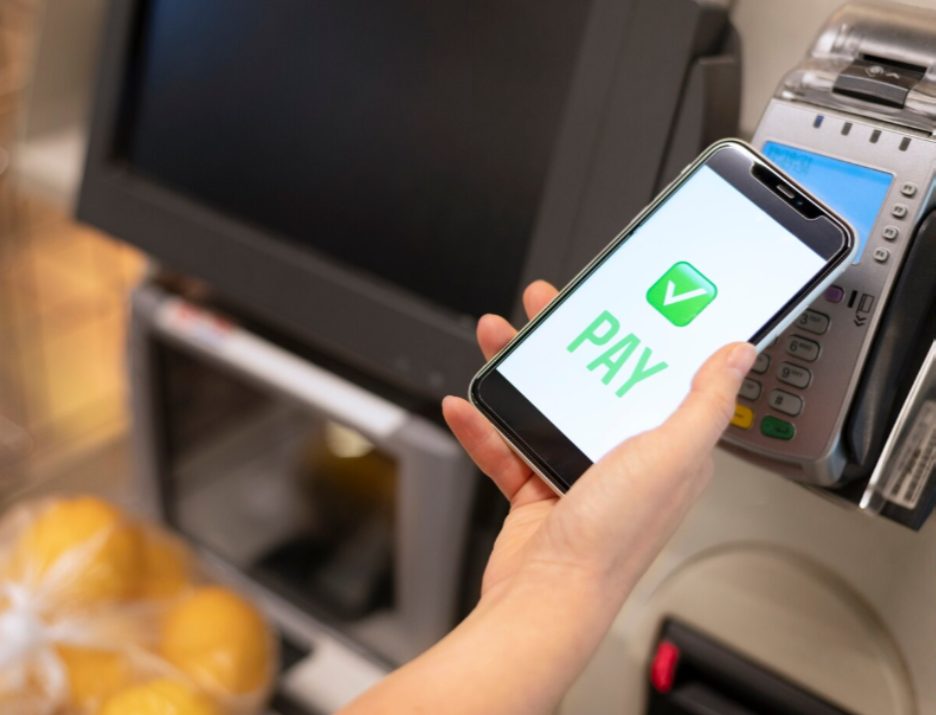
When customers use a vending machine, EV charger, laundromat, parking system, or micro market, they often complete the entire transaction on their own. Without an employee nearby, even a small payment issue can interrupt the experience and leave operators with fewer ways to help. At the same time, managing payments across machines and locations can become more difficult as an unattended business grows.
Cashless technology can help address these issues while making self-service more convenient. Recent Federal Reserve data show that noncash payments remain widely used in the US, with cards accounting for 79% of noncash payments by number in 2024. For operators, connected payment systems can also provide tools for tracking transactions, managing devices, reviewing business data, and supporting customer loyalty.
As unattended retail continues to evolve in 2026, cashless technology is becoming a larger part of the self-service experience. Here are six ways cashless technology is reshaping unattended retail and what the shift can mean for your business.
1. Expands Payment Access
As card and other noncash payments remain widely used, unattended businesses have more reason to support payment options that match current customer habits. Customers may prefer simple payment options, especially when no employee is available to help. Modern cashless systems can give customers more ways to pay without relying on a staffed checkout.
For unattended operators, the technology behind those payments can also be designed around different types of self-service businesses. Nayax, for instance, offers payment solutions for settings such as vending, EV charging, laundry, parking, and other unattended operations. These solutions are built to support transactions where customers complete purchases or access services without an employee handling the payment.
Payment preferences can vary between households, so offering more than one option can help you serve a wider range of customers. A simple payment experience can also make self-service easier for people who carry little or no cash.
2. Simplifies Unattended Operations
As unattended businesses add more machines, devices, and locations, keeping track of activity can become harder. Checking each location by hand can take time and make it harder to see activity across the business.
With connected payment and management systems, you can get a clearer view of transactions and connected devices. These tools can help you monitor business activity and manage operations across multiple locations.
The result is a more connected way to manage unattended retail. Rather than treating every machine as a separate operation, you can use technology to bring different parts of your business into one broader system. Better access to information can help you review activity and respond to business needs with less manual effort.
3. Uses Transaction Data for Decisions
Every cashless transaction can create useful information for your business. Sales and transaction data can help you see how locations or machines are performing and spot areas that may need attention.
For example, you may compare transaction activity across locations, review sales patterns over time, or identify machines that need attention. Better access to business data can help you make decisions based on actual activity rather than guesswork.
As unattended devices connect to digital systems, payment and operating data can come together in the same management system. AI-based data analytics can also help you review business information and identify useful patterns.
Data does not replace good business judgment. Instead, it gives you another tool to understand performance, compare results, and plan future improvements.
4. Strengthens Customer Loyalty
Beyond payment acceptance, cashless technology can support tools designed to encourage customers to return. That gives unattended businesses more ways to build relationships beyond a single purchase.
Loyalty programs and digital wallets can give customers more ways to interact with a business after their first transaction. You can use these tools to support repeat purchases and create a smoother path from one purchase to the next.
A simple payment experience can also become part of the overall customer experience. When payment and loyalty features work together, you can create a more connected journey.
Digital loyalty tools can be useful for unattended businesses because customers may not have an employee available to answer questions or build a personal relationship. Such features can give customers another way to stay connected with your business between purchases.
5. Supports More Unattended Business Models
Vending is only one example of where cashless technology can support self-service. Different types of businesses can use connected payment and commerce tools to serve customers with little or no staff on site.
Common examples include:
- Vending: Customers can pay for products without staff at the machine.
- EV charging: Drivers can make payments while using charging stations.
- Laundry: Customers can make payments at self-service laundry locations.
- Parking: Payment technology can support self-service parking systems.
- Car washes: Customers can pay for services without a traditional staffed checkout.
- Micro markets: Shoppers can purchase products in self-service retail spaces.
- Office coffee services: Cashless systems can support payment at workplace coffee locations.
Each business has different needs, but the goal remains similar: make payment easier while giving operators better ways to manage their business. That flexibility allows cashless technology to support many types of customers, products, and services.
6. Scales Connected Retail Experiences
The value of cashless technology can grow when it connects with other parts of your business. Payment systems, point-of-sale tools, management software, data analytics, and loyalty solutions can work together as part of a wider commerce system.
An API-first approach can help businesses connect technology with other systems. In simple terms, it helps different software tools share information. Connected devices can also help you manage multiple locations as your unattended business expands.
That flexibility can matter as your business grows. You may start with a small number of machines or locations and expand over time. A connected approach can bring payments, operations, data, and customer engagement into a more organized system, giving you more tools to manage that expansion.
As your operation grows, separate tools for payments, device management, customer engagement, and reporting can make information harder to manage. Connected systems can give you a clearer view of activity across machines and locations. Rather than looking only at individual transactions, you can review broader business activity when you need to assess performance, manage daily operations, or plan future growth.
In 2026, cashless technology is no longer just about replacing cash at a machine. It can connect payments with management tools, data, point-of-sale features, and loyalty tools. For growing unattended businesses, that connected approach can make it easier to manage multiple locations and create a more consistent customer experience.
Bottom Line
Cashless technology is reshaping unattended retail by moving payment beyond a simple transaction. In 2026, connected payment systems can also support operational control, transaction data, customer loyalty, and management across locations. The same approach can work across vending, EV charging, laundry, parking, car washes, micro markets, and other self-service settings. As unattended retail evolves, connected technology can help you create easier customer experiences while building systems that can support business growth.
Frequently Asked Questions
1. What is cashless technology in unattended retail?
Cashless technology lets customers pay digitally at self-service businesses without using cash or staff assistance.
2. How does cashless technology help unattended businesses?
It can simplify payments, connect devices, track transactions, and help operators manage multiple locations.
3. Which unattended businesses can use cashless payments?
Vending, EV charging, laundry, parking, car washes, micro markets, and office coffee services can use cashless payments.
4. Can cashless technology help businesses grow?
Yes, connected payment systems can support operations, data tracking, loyalty programs, and expansion across locations.