How to Choose Dog Boarding in Phoenix Without the Guilt Trip
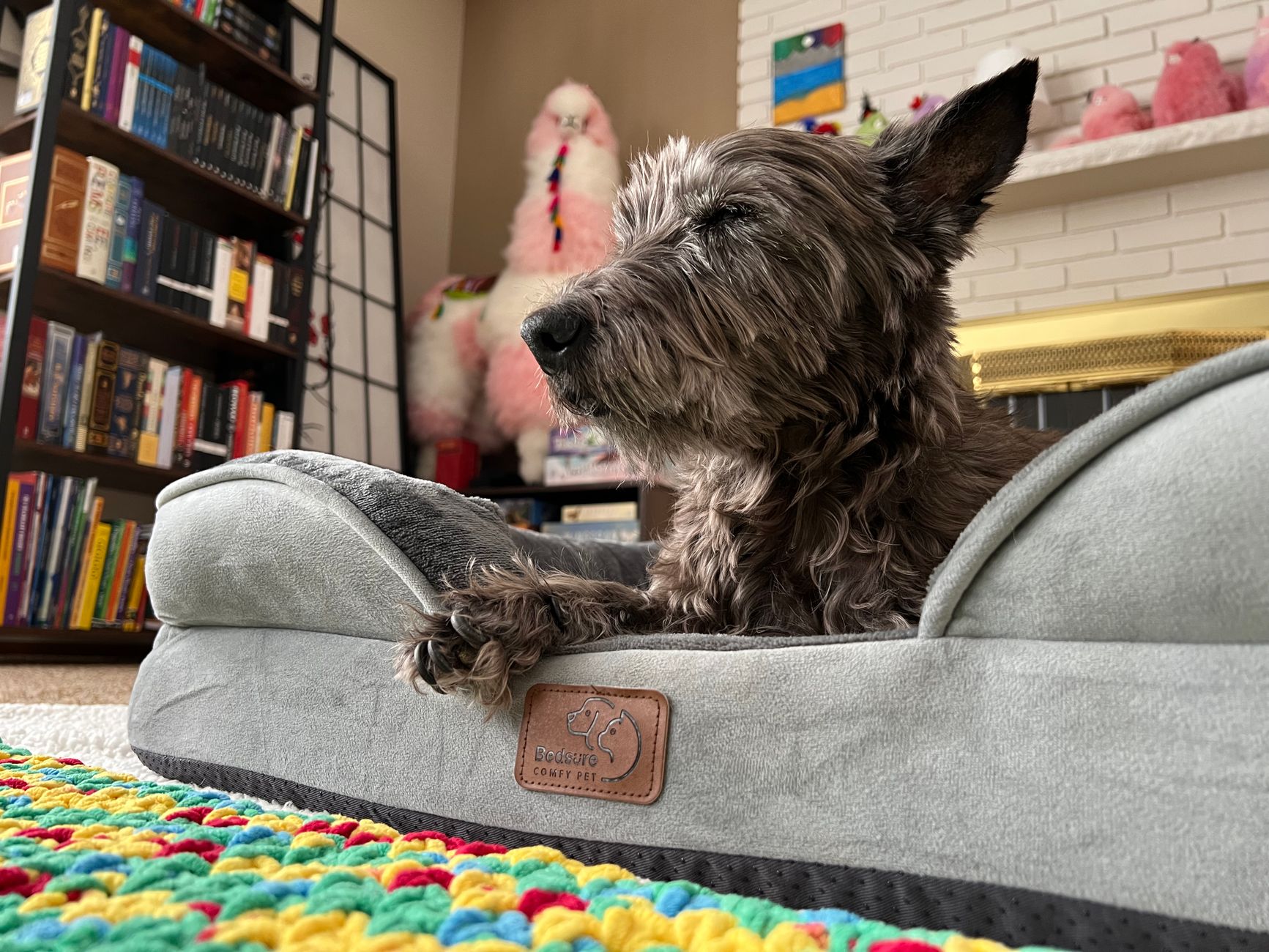
My dog has stayed at four different Phoenix kennels. One of them lost his leash, one of them charged me an extra $9 a night because he weighs 78 pounds, and one of them sent me a photo of him asleep on a couch that I still keep on my phone. Same dog. Three very different vacations.
That last detail is the whole story. Boarding isn’t a commodity, even when the cages look identical from the parking lot. What you’re actually buying is supervision, space, and how honest the staff is when something goes sideways at 11 p.m. Get those three right and you’ll stop dreading the drop-off.
Below is the process I use now, plus the numbers you should expect to see on a quote near Sky Harbor in 2025. The short version: tour before you book, ask what happens during the dog’s worst hour, and never assume a bigger building means a better stay.
What actually drives the price of a Phoenix kennel
Most facilities here land somewhere between $40 and $70 per night for a single dog, and the spread has almost nothing to do with quality. It tracks the size of the run, whether the run is climate controlled, and whether you’re buying a suite instead of a standard slot.
Here’s the part that surprises people. Phoenix kennels don’t always quote the same way. Some list one flat rate. Others publish a base price and then stack on charges for peak weekends, holiday stays, medication administration, or the size of your dog. That last one is worth watching. Summer is the reason. Keeping a large run cool enough for a 90 pound shepherd through July costs real money, and a lot of facilities pass that cost on by weight rather than by run.
Day care works differently. Expect roughly $25 to $35 for a full day and about $20 for a half day, with packages that shave the per-day rate down if you buy ten days or a month at a time. Packages usually expire, often inside 30 days, so do the math on how often you’ll actually use one before you hand over $250 for a punch card you’ll forget about.
One more cost nobody mentions: the evaluation day. Plenty of facilities require a temperament test before an overnight stay, and some charge for it. Ask.
Ask these questions on the tour, not on the phone
A phone call gets you a trained voice. A walkthrough gets you the truth. Go in person, ideally mid-afternoon when the building is at full volume, and watch how the staff move through the space.
- Where does my dog sleep, and can I see it? If they won’t show you the exact run, that’s your answer.
- Who is on site overnight? Some facilities have staff present all night. Some have someone on call. Both can be fine, but you deserve to know which one you’re paying for.
- How many dogs per staff member? Ask for a number, not a vibe.
- What’s the protocol when a dog gets sick or injured? Get the name of the vet they call and how fast they call you.
- How much outdoor time is included, and is it in a group or solo? Arizona heat changes this answer seasonally, so ask about both January and July.
I’d take a small facility with a sharp, specific answer about overnight staffing over a glossy resort that talks about “cage-free play” and can’t tell me the staff-to-dog ratio. The specific answer is the product.
Why the large-dog surcharge deserves a harder look
Weight-based pricing is common enough that owners treat it as normal, but it’s a business choice, not a law of nature. Some Phoenix facilities charge every dog the same nightly rate regardless of size, which can save a Great Dane owner hundreds of dollars over a two week trip.
Three things matter more than size when a facility sets its pricing:
- The square footage of the run
- Whether the space is air conditioned or just shaded
- Whether your dog gets a private run or shares with a housemate
If a kennel charges more for a bigger dog, ask what the extra money buys. Sometimes the answer is a genuinely larger run. Sometimes it’s nothing, and you should say so with your wallet.
The rulebook you should be reading before you sign
Vaccination requirements exist for a reason, and a facility that’s loose about them is a facility that will hand your dog something. Core vaccines are the standard floor. Bordetella, the one that guards against kennel cough, is the requirement people forget, and it’s usually needed several days before check-in so it has time to take effect. According to the American Veterinary Medical Association, vaccination protocols are set with a veterinarian’s judgment about that individual animal, so call your vet before you book rather than after.
Ask about the flea and tick policy too. Phoenix has a mild winter, and parasites don’t take the season off the way they do up north.
And read the liability section with actual attention. You want to know what the facility covers if your dog is injured in group play, and what you’re agreeing to if your dog injures another dog. A good facility will walk you through that clause without flinching.
Build your dog’s stay around the first night, not the last
The mistake I made for years was treating the drop-off as paperwork. It isn’t. The first few hours decide how the rest of the stay goes, and you can stack the odds.
- Book a trial night. One night, weeks before your trip, on a random Tuesday. You learn how your dog comes home. So does the staff.
- Bring something that smells like home. A shirt you’ve slept in beats a new toy every time.
- Keep food the same. Sudden diet changes plus a strange building is a recipe for a very unpleasant cleanup, and the staff will remember which dog caused it.
- Pack medication in the original bottle with the dosage written on it.
- Update your microchip and tag info. Escapes are rare. They aren’t zero, and the reunion gets a lot faster when the chip is current.
On the travel side, if your trip involves a flight, remember that most airlines have their own rules about pets in the cabin versus cargo, and the U.S. Department of Transportation is where those consumer protections live. Leave the dog home with a good kennel and skip the whole argument.
What a fair rate actually looks like
Here’s a rough benchmark for a Phoenix stay, based on what facilities around the Valley publish. Treat it as a sanity check, not a quote. Prices move.
| Service | Typical range | What can push it up |
| Standard overnight run | $40 to $55 | Holiday dates, dog size |
| Air conditioned run or suite | $52 to $70 | Peak season, add-on playtime |
| Full day of day care | $25 to $35 | Additional dogs, shorter hours |
| Half day | Around $20 | Late pickup |
| Ten day package | $200 to $275 | Expiration window |
Notice what isn’t on that list: a large-dog fee. Some facilities add one, which is exactly why it’s worth asking before you assume. If you own anything bigger than a lab, that single line item can change which kennel you pick.
Picking the place without overthinking it
Narrow to three facilities within a reasonable drive of your house, because a 45 minute drop-off each way turns a weekend trip into a chore.
Tour all three. Ask the same five questions at each, in the same order, and write down the answers. The facility that gives you the most specific responses wins, almost every time.
Then book one trial night, and pay attention to how your dog acts in the car on the way home. Tired and relaxed is a green light. Clingy and skittish for two days is information you needed before a two week trip, not after.
If you want a starting point in the Valley that skips the weight surcharge entirely, dog boarding in Phoenix at Canine Country Club and Feline Inn is worth a tour, and the no-large-dog-fee policy alone changes the math for anyone with a big breed.
One last thing. The Bureau of Labor Statistics tracks animal care and service work as part of a labor market that has grown steadily for years, which means the field is competitive and you have real choices. Use that. A kennel that wants your business will answer questions like a professional, because the good ones already do.
So which is it for your dog: a private climate controlled run, or a shared suite with a buddy? Answer that and you’ve basically picked your kennel.