What Homeowners Should Know About Household Gas Safety
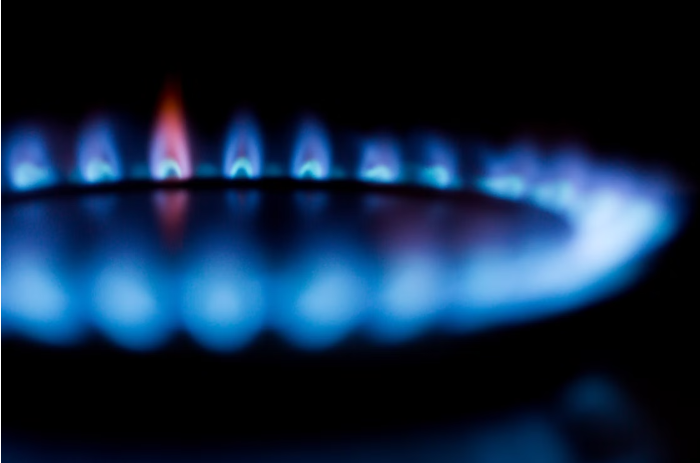
The hidden danger lurking in your home. Gas safety shouldn’t be underestimated. Fire safety is oftentimes taken more seriously, as we can see and smell when something catches fire. However, gas leaks can be just as hazardous but, unfortunately, harder to spot in time.
To keep your home safe, you must recognize the early warning signs to know when it’s time to call in a professional. A simple search for “gas line plumbers Palm Springs” will bring up certified local specialists who can inspect your system, address subtle issues, and ensure your lines meet safety standards.
But first, let’s look deeper into household gas safety.
Resource: Pexels
Why Gas Safety Matters
When we think of ways to keep our home safe, initially our minds fixate on fire safety and flood prevention, or even what to do in a home invasion. Gas leaks and taking the time to carry out regular gas safety checks are often an afterthought.
Not only does a gas leak pose a potential risk for explosions, fires, and property damage, but it can also be life-threatening. In the space of a few hours, a high-concentration gas leak can starve a family of oxygen, with fatal consequences. So, you see, gas safety shouldn’t be taken lightly.
Signs That Could Indicate a Gas Leak
Carbon monoxide is known as a silent killer for a reason. There are no hissing sounds or smells to alert you of a leak. Therefore, you need to be more aware of the subtle signs that could ring alarm bells.
CO, or carbon monoxide, is an odorless gas. There is also no taste to it, so you have to use your other senses and investigative powers to deduce whether or not there is a leak in your home.
Pilot light keeps going out
If the pilot light on your gas heater keeps flickering off, this may be a sign of a potential carbon monoxide leak. Rather than chance it, get a reputable gas engineer to take a look at the appliance and verify whether it is safe or not.
Feeling fatigued or extremely drowsy
While these symptoms can be down to a number of things such as medical issues and lifestyle choices, extreme fatigue and drowsiness are signs that there may be a gas leak in your home. Why you may feel this way during a gas leak is because the CO replaces the oxygen your body needs for many cellular processes. Carbon monoxide binds to red blood cells instead of Oxygen, starving the brain and body and resulting in flu-like symptoms.
Soaring bills
A small, almost undetectable leak could go unnoticed in every other way but on your utility bill statements. If your bills have risen inexplicably, this could indicate that your appliance is at best inefficient or, in a worst-case scenario, a health hazard.
Smells and sounds
Although CO is an odorless gas, a sulfur-like smell has been added to it by companies to make it detectable. This makes spotting the signs of a gas leak that much easier. Also, if you hear a hissing noise, this could also suggest that there is leaking gas somewhere in your home.
What to do if You Suspect a Gas Leak
So, maybe you’ve seen, heard, or smelt one or two of these signs. What do you do next?
No naked flames
The same goes for switching on electrical equipment. Any spark can provide enough ignition to light the gas present in your home. Make sure the entire family knows not to switch on lights or use a phone if you suspect a gas leak.
If safe, shut off the gas
This can only be done if it is safe to do so without risk of ignition. If possible, turn off the main gas supply at the valve.
Evacuate the premises
Now that the gas supply is off or deemed unsafe to approach, get your family away from the property. If an explosion does occur as a result of the leak, belongings can always be replaced. Lives cannot.
Call in the professionals
Don’t even think of attempting to fix a faulty gas heater yourself. You are putting lives in danger. Instead, call the emergency services to ensure that the area is safe. You should also hire a fully licensed gas line plumber to repair and replace faulty pipes or fittings. After this, you can safely return to your leak-free home.
3 Simple Gas Safety Tips Homeowners Should Follow
It’s better to be safe than sorry when it comes to home safety. Here are three simple safety tips to follow that’ll give you peace of mind.
Install CO detectors
Audible CO detectors do the hard work for you. Having these installed in the home means that you don’t have to rely on your own senses to spot the signs of a gas leak. That said, you should always be aware of the basic signs and regularly test your detectors in line with the manufacturer’s guidance. A faulty detector is as good as having no detector.
Say no to DIY
Don’t even attempt to DIY repair a defective gas heater yourself. Unless you are a certified gas line plumber that is. Not only can you void an insurance policy by doing so, but fixing a fault yourself is extremely dangerous.
Use certified gas technicians
Let’s end on an important note. By hiring a professional, you protect yourself and your home from future gas leaks and related issues.