A Guide to General Liability Insurance: Protecting Your Small Business with the Right Coverage
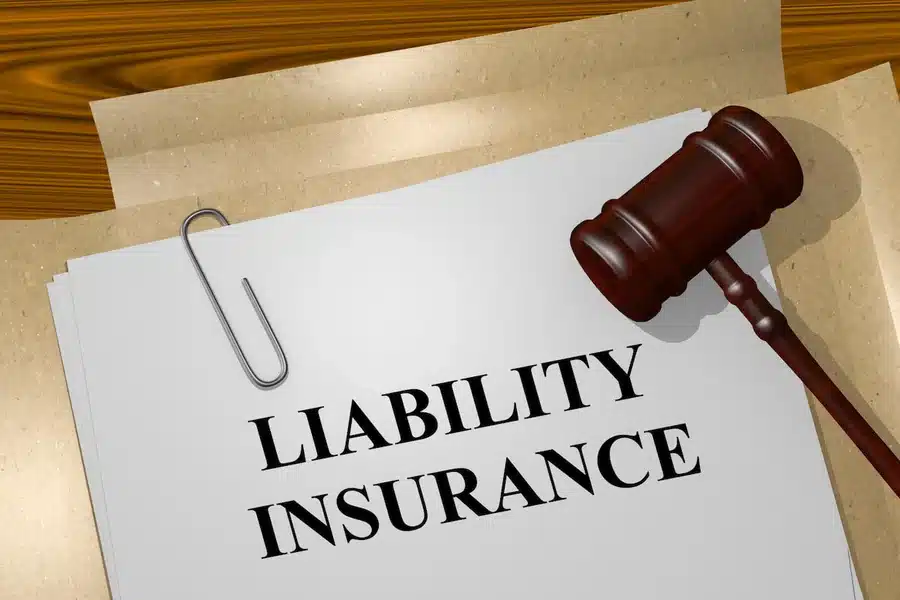
Why General Liability Insurance Matters for Small Businesses
Running a small business means facing a host of unpredictable risks every day, from accidental injuries to unexpected property damage. General liability insurance plays a crucial role in shielding your company from these uncertainties, helping you safeguard your livelihood and maintain smooth daily operations. To effectively protect your business, you must explore general liability coverage options that match your unique needs and risk exposure. Small businesses face risks such as slip-and-fall accidents, customer injuries, or property damage resulting from employee errors. Even one liability claim can disrupt operations, incur significant legal costs, and harm reputation. Insurance serves not only as protection but also as a strategic tool, helping businesses manage these risks and safeguard their long-term stability.
What General Liability Insurance Covers
Bodily Injury and Property Damage
General liability insurance is designed to cover the costs associated with third-party bodily injury or property damage caused by your business operations. Whether it’s a customer slipping in your office or a contractor accidentally damaging a client’s home, this policy can provide significant financial protection. For more on general liability coverage, see Business.com.
Personal and Advertising Injury
Coverage typically extends to personal and advertising injury, which includes liability stemming from claims such as libel, slander, copyright infringement in your advertisements, and reputational harm.
Medical Expenses and Legal Defense
Suppose someone is hurt on your premises or by your products. In that case, general liability insurance may cover reasonable medical expenses and the cost of defending your business in court—even if the lawsuit is groundless.
The Foundation of a Comprehensive Risk Management Plan
How Insurance Fits into an Overall Risk Strategy
General liability insurance should be seen as a business’s part of its broader risk management efforts. It complements proactive measures, such as workplace safety protocols, employee training, and regular risk assessments, to create a more resilient organization.
The Significance of OngoiIt’sisk Evaluation
It’s essential for small businesses to regularly review their insurance coverage in conjunction with their operational practices. Industry trends, changes in local laws, and business growth can all alter your risk profile, making ongoing evaluation necessary.
Key Factors to Consider When Choosing a Policy
Understanding Policy Limits and Exclusions
Policy limits define the maximum payment your insurer will make for a covered claim, while exclusions outline scenarios that aren’t included, such as certain professional services or employee-related injuries. Assessing these fears ensures you aren’t caught off guard during a claim.
How Your Industry and Operation Size Influence Coverage Needs
A retail business, for instance, may need different coverage than a technology consultancy due to differing exposure to public foot traffic or digital risks. Similarly, a growing team or expanding footprint often means higher limits and additional endorsements are advised.
Steps to Take After an Incident Occurs
First Actions Following a Claim Event
In the immediate aftermath of an incident, your top priority should always be the safety of everyone involved. Ensure that injured parties receive appropriate medical attention and that the scene is secured to prevent further harm. Once safety is addressed, begin documenting the situation thoroughly. Take clear photos of any damage, gather witness contact information, and write a detailed account of the events as soon as possible while your memory is fresh. This documentation will be crucial when filing your claim and can help speed up the process.
The Claim Process and Timelines
In the immediate aftermath of an incident, your top priority should always be the safety of everyone involved. Ensure that injured parties receive appropriate medical attention and that the scene is secured to prevent further harm. Once safety is addressed, begin documenting the situation thoroughly. Take clear photos of any damage, gather witness contact information, and write a detailed account of the events as soon as possible while your memory is fresh. This documentation will be crucial when filing your claim and can help speed up the process.
Cost Factors: What Drives General Liability Premiums?
Understanding How Risk, Location, and Size Impact Rates
Your insurance premium is affected by the nature of your business, its physical location, claims history, and annual revenue. For example, companies in higher-risk industries (such as construction) and those with significant foot traffic tend to see higher premiums than low-risk consultancies.
Tips for Managing Your Premium Without Sacrificing Coverage
Implementing strong risk management practices, consistently reviewing your coverage, and bundling policies with a reputable carrier can help contain costs. Consulting resources, such as Forbes, provides additional information on available discounts and best practices.
Where to Find Additional Information and Updates
For in-depth research, small business owners can consult with industry experts for guidance on commercial general liability insurance. Staying proactive about your coverage can help minimize risk and ensure the long-term sustainability of your business. Continued education, monitoring business insurance news, and regularly checking for policy updates are all steps that today’s business owners should take to seek proper protection.
Conclusion
General liability insurance is more than just a policy—it’s a foundational element in protecting your small business from unforeseen risks. By covering bodily injuries, property damage, personal and advertising liabilities, and legal expenses, it ensures that a claim doesn’t jeopardize your operations or reputation. Coupled with proactive risk management, ongoing policy reviews, and careful consideration of your business’s unique needs, general liability coverage helps create a resilient, stable, and sustainable business environment. Staying informed, working with trusted advisors, and adapting your coverage as your business grows are essential steps to maintaining this protection, giving you confidence to focus on growth and long-term success.