
A Practical Home Maintenance Checklist for Dubai Residents
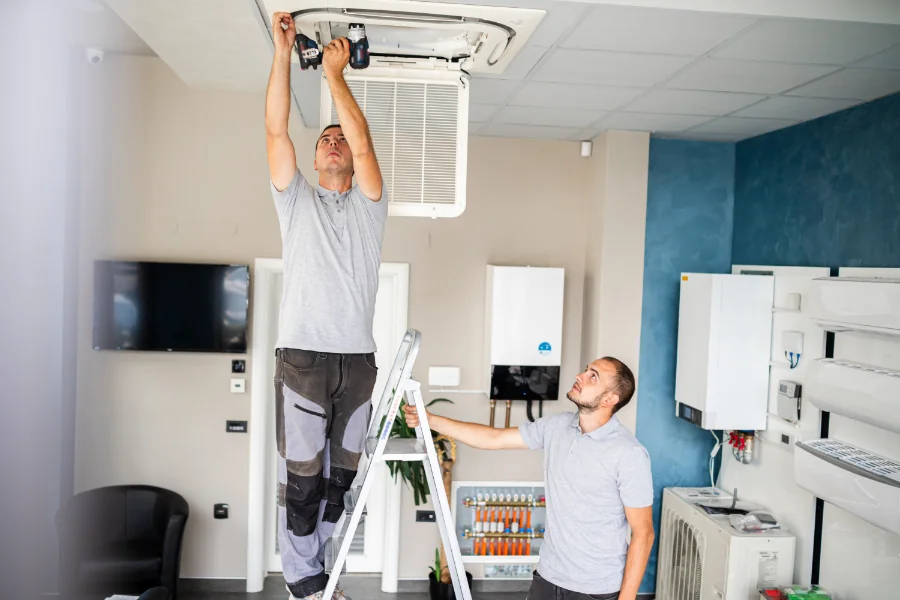
Homes require regular attention even when nothing appears obviously wrong.
Small maintenance tasks can help identify developing problems before they become more disruptive. This can be particularly useful in Dubai, where air-conditioning systems, plumbing, outdoor heat, dust, and everyday wear can place demands on different parts of a property.
Creating a simple maintenance routine can make looking after a home considerably easier.
Check the Air Conditioning
Air conditioning is one of the most heavily used systems in many Dubai properties.
Pay attention to cooling performance, airflow, unusual sounds, odors, leaks, and other changes in normal operation.
Filters and other components may also require appropriate maintenance depending on the system.
When professional attention is necessary, homeowners and tenants can research specialist providers such as Pro Clean AC in Dubai and determine which services are appropriate for their particular air-conditioning setup.
Do not wait for a complete breakdown before investigating noticeable changes in performance.
Look for Plumbing Leaks
Small leaks can sometimes remain unnoticed until they cause visible damage.
Regularly inspect accessible areas beneath sinks and around toilets, washing machines, water heaters, and other plumbing fixtures.
Look for moisture, staining, unusual smells, or changes in water pressure.
Addressing a small leak promptly may prevent a more significant repair later.
Inspect Bathrooms
Bathrooms experience substantial moisture and therefore deserve regular attention.
Look at sealants, grout, ventilation, drains, and plumbing fixtures.
Areas where sealant has deteriorated may require maintenance to prevent water reaching places where it should not.
Good ventilation can also help manage moisture after showers and baths.
Check Doors and Windows
Doors and windows are used constantly but can easily be overlooked during routine maintenance.
Check handles, hinges, locks, tracks, and seals.
Sliding doors may accumulate dirt in their tracks, while seals around windows can deteriorate over time.
Addressing small issues can make doors and windows easier to operate and potentially prevent further damage.
Keep an Eye on Appliances
Major household appliances should be maintained according to manufacturer recommendations.
Check washing-machine hoses, refrigerator seals, dishwasher filters, and other accessible components where applicable.
Unusual noises, leaks, smells, or changes in performance deserve attention.
If an appliance appears unsafe or develops an electrical problem, use an appropriately qualified professional rather than attempting an unsuitable DIY repair.
Inspect Walls and Ceilings
Occasionally look for new stains, cracks, bubbling paint, or other changes.
A small mark may be purely cosmetic, but it can sometimes indicate moisture or another underlying issue.
Investigating the cause before repainting is usually more useful than simply covering the visible symptom.
Clean Areas That Are Easy to Forget
Some areas receive very little attention during ordinary cleaning.
Examples can include behind appliances, above cabinets, ventilation grilles, window tracks, and other difficult-to-reach spaces.
Adding a few of these areas to a monthly or seasonal cleaning routine prevents them from becoming overwhelming.
Maintain Balconies and Outdoor Areas
Outdoor spaces are exposed to dust, heat, sunlight, and changing weather.
Inspect outdoor furniture, drains, flooring, doors, and any appropriate fixtures.
Make sure balcony drains remain unobstructed and follow building rules regarding cleaning, storage, and modifications.
Create a Maintenance Calendar
Not every task needs to be completed every week.
Divide maintenance into monthly, quarterly, and annual tasks.
A simple calendar can include AC checks, appliance maintenance, plumbing inspections, deeper cleaning, and other property-specific requirements.
Recording when professional servicing was completed can also make it easier to know when another visit may be due.
Know When Professional Help Is Needed
DIY maintenance has limits.
Electrical problems, significant plumbing issues, air-conditioning faults, structural concerns, and other specialized work may require trained professionals.
Attempting a complicated repair without appropriate expertise can make the problem worse or create unnecessary safety risks.
Final Thoughts
Home maintenance is easier when it is treated as a routine rather than a response to emergencies.
Regular checks of air conditioning, plumbing, bathrooms, appliances, doors, windows, and outdoor spaces can help residents notice changes sooner.
A simple schedule also spreads maintenance throughout the year rather than allowing numerous small jobs to accumulate.
Frequently Asked Questions
How often should I check my home’s air conditioning?
The appropriate schedule depends on the system, usage, manufacturer recommendations, and property conditions. Regularly monitor performance and follow suitable professional maintenance guidance.
What signs suggest an AC system needs attention?
Changes in cooling, weak airflow, unusual sounds, odors, or leaks can all justify further investigation.
What home maintenance tasks should be done regularly?
Common tasks include checking plumbing, AC performance, doors, windows, bathrooms, appliances, and visible areas for signs of moisture or damage.
Should I repair household electrical problems myself?
Electrical work can present serious risks and should be handled by appropriately qualified professionals when specialist work is required.
Why use a home maintenance calendar?
It helps spread tasks throughout the year and makes it easier to remember periodic inspections and servicing.