
Addressing Decoding Difficulties in 1st Graders: Timely Intervention Is the Key
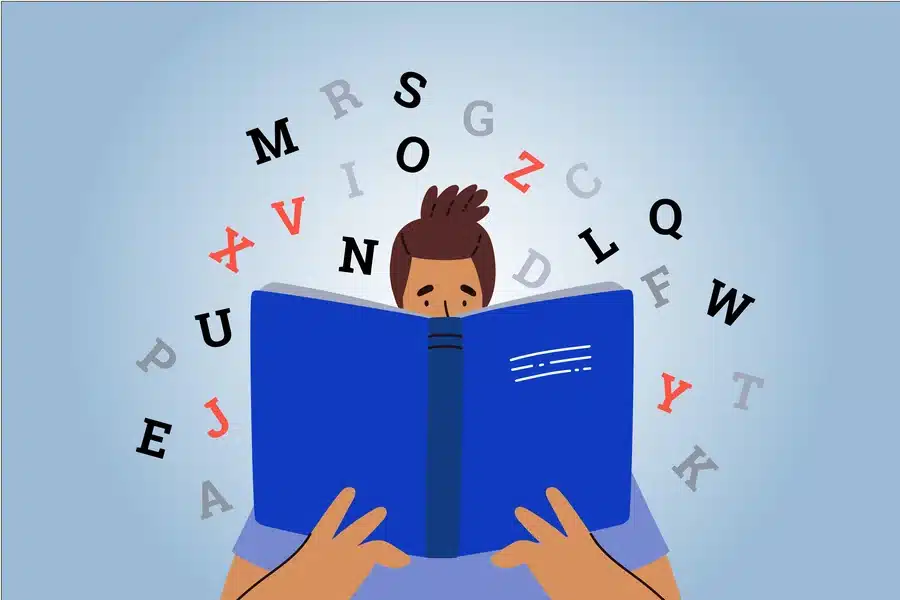
Decoding issues in children can impede their reading skills, leading to comprehension difficulties. They don’t understand what they read and, as a result, cannot correct themselves when they make a reading mistake. These problems show up in their struggle to read. So, paying attention to 1st graders becomes even more crucial. If they have decoding difficulties, they will not engage in class, and their overall performance will also decline. Unfortunately, many cases like these don’t develop decoding strengths due to a lack of phonological awareness. However, other factors such as attention, working memory, or hearing difficulties can also play a role. Phonological awareness allows them to listen and apply the sounds. If they cannot blend sounds, they cannot utter the word in text either.
How do you approach this language gap in 1st graders? You have to reconsider how you deliver classroom instruction. For example, if you don’t follow scientific teaching methods for reading and writing, it’s time to incorporate them. For help, you can include 1st grade reading worksheets that follow Orton-Gillingham principles. These materials are often structured and sequential. You can introduce your class to the fundamental language components one by one with regular practice sessions. Some books contain fiction and nonfiction stories to help young minds be interested in what they are learning. You can include decodable books to help them build their reading strength. Here are a few insights regarding this.
Introducing kids to decoding
According to the science of reading, children need to be systematically and clearly familiarized with phonemes, or individual sounds in words. This learning can begin with as simple a word as “dog.” Gradually, they should be taught about the middle and final sounds, and then more complex vocabulary can be added. You can choose printed decodable reading materials based on these principles. You may wonder how focusing merely on sound can help. Research shows that children respond better when they are given visual cues along with instructions on pairing sounds. They hear three phonemes in words like ‘dog’ and ‘cat’ explicitly and better connect the sounds. In fact, it is an easy way to demonstrate how decoding works. So, combining phonemic awareness with the letter-sound relationship is an ideal solution. With worksheets, you can demonstrate these concepts explicitly and encourage them to practice their lessons.
Additional information
Classroom instructions should be given in a way that keeps students focused and curious. They like to learn new things, but they can forget older lessons without practice. It can weaken their base. For reinforcement, you can review their knowledge of the earlier words and have them read those aloud. This systematic approach helps in growing their decoding skills. You also know what your students are good at, as your phonics instructions have not been incidental. It also empowers students to extend their existing knowledge of sounds to more complex words as they progress in their learning. As a result, more sustainable and impactful results are obtained.
Various types of interesting worksheets targeting decoding skills are available online. Your 1st graders may benefit from them. You can select them based on your students’ overall reading skills and understanding of the letter-sound relationship.