Best Perfume for Men: How to Choose by Scent Family
Best-seller lists are useful for discovering new fragrances, but they cannot decide what will suit a specific wearer. The best perfume for men depends on personal taste, daily settings, climate, and how the fragrance develops on skin.
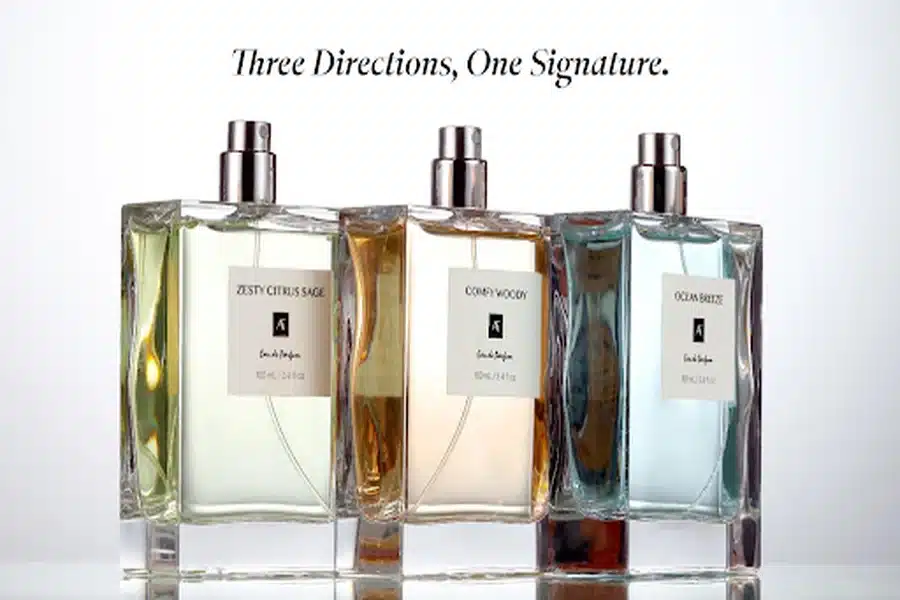
Start with the scent family you enjoy, then consider where you will wear it. Fresh citrus, aquatic, and woody compositions are three approachable directions, and each creates a different impression.
Can Men Wear Perfume? Start With Preference, Not the Label
Yes. If you have wondered, “Can men wear perfume?” the practical answer is that perfume, fragrance, and scent are general product terms. “For men,” “for women,” and “unisex” describe a brand’s intended style; they are not rules about who can wear the formula.
Fragrances historically marketed to men have often emphasized citrus, herbs, woods, leather, and marine accords. But nothing stops a man from wearing rose, vanilla, or fruit if that’s what he likes. So instead of overthinking whether a scent is “manly enough,” the real question is: would I actually want to wear this every day?
What Is the Best Perfume for Men? Compare Three Scent Directions
When someone asks what the best perfume for men is, the useful response begins with the experience they want. These three directions differ in mood and wear, not quality.
| Scent direction | Common notes or accords | Overall impression | Good starting occasions | What to check |
| Fresh citrus aromatic | Lime, bergamot, orange, basil, sage, moss | Bright, crisp, energetic | Workdays, mornings, warm weather | Whether herbs, woods, or amber support the fast-moving citrus opening |
| Aquatic and mineral | Marine accords, sea salt, mineral notes, iris, musk | Airy, clean, cool | Travel, casual days, humid weather | Whether the dry-down leans salty, green, musky, or fruity |
| Woody and warm amber | Sandalwood, soft woods, tonka, amber, incense | Warm, calm, grounded | Evenings, cooler weather, close social settings | Whether sweetness or projection becomes heavy in heat or small rooms |
Choose Fresh Citrus When You Want Energy and Clarity
Citrus notes create an immediate sense of brightness. Lime may smell tart, while orange can feel juicier and softer. Herbs, iris, moss, or amber can give the composition more structure and keep the opening from smelling like plain fruit juice.
Fresh citrus fragrances work well for mornings, commutes, and other shared settings. Because citrus notes often fade sooner than woods or amber, judge the full dry-down rather than only the first spray. One balanced structure pairs lime and citrus with basil and iris, then settles into green moss and amber.
Choose Aquatic Notes for an Airy, Clean Impression
Aquatic accords can suggest sea air, rain, salt, or wet stone without containing actual ocean water. Some lean cool and salty, while others become green, floral, fruity, or musky. Iris can soften a sharp marine opening, while sheer musk can create a cleaner, skin-close dry-down.
This style suits commutes, vacations, and warm or humid conditions. However, “fresh” does not mean projection-free, so apply it with restraint in shared spaces. An aquatic fragrance with marine and mineral notes might pair marine and sea salt notes with iris, mineral accords, ambergris, and sheer musk.
Choose Woody and Amber Notes for Warmth and Depth
Woody fragrances do not have to smell dense or smoky. Sandalwood may feel creamy, cedar tends to be drier, and soft woods can create a smoother, skin-like finish. Tonka and amber add warmth, while eucalyptus or citrus can provide fresher contrast.
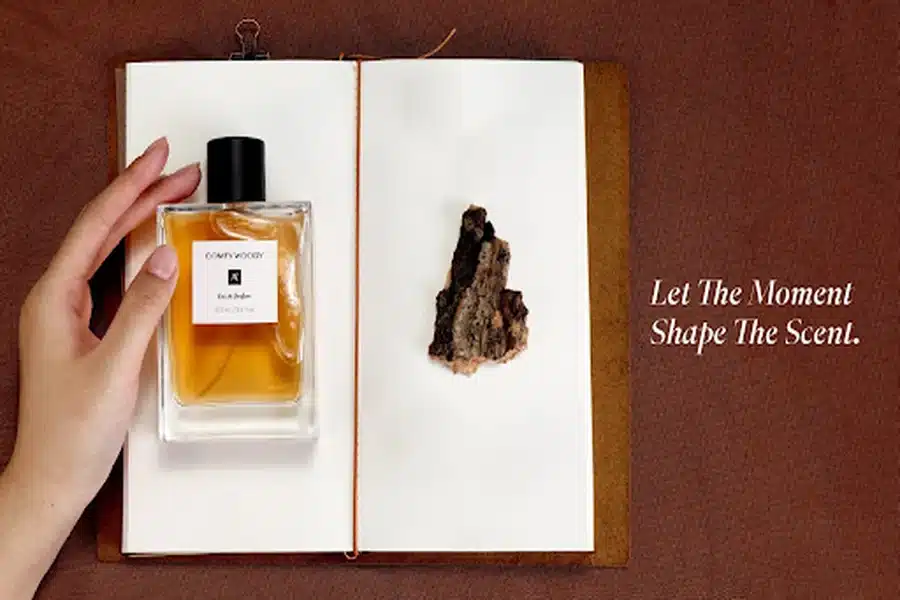
These notes often suit evenings and cooler weather, but sweeter bases may feel heavier in hot weather or small rooms. A balanced woody composition might open with cognac and eucalyptus, move into sandalwood and tonka bean, and settle into amber, soft woods, and incense.
Which Perfume Is Best for Men in Different Situations?
The answer to which perfume is best for men changes with the setting. One bottle does not need to cover every situation.
For Work and Shared Spaces
Start with citrus, transparent aquatic accords, or light woods. Spray before leaving home and assess the scent during a workday. Aim for a controlled scent bubble that does not take over a shared room.
For Hot Weather and Travel
Citrus, marine, mineral, and light musk profiles can feel refreshing in warm weather, although heat may also make some fragrances project more strongly. Think about where you are planning to visit – is it going to be hot outside, or are you going to be in a car or in air-conditioned buildings? The aquatic fragrances are great for all seasons.
For Evenings and Cooler Weather
Sandalwood, tonka, amber, incense, and soft woods often suit cooler evenings. A brighter opening of citrus or eucalyptus can keep the fragrance from feeling too dense. Apply with restraint in restaurants, theaters, and other close social settings.
For an Everyday Signature Scent
Choose comfort after several hours, not excitement at first spray. The best perfume for men for everyday wear need not be the strongest. If several families feel right, rotate a small selection.
Does Eau de Parfum Always Last Longer?
Terms such as Eau de Parfum, Eau de Toilette, and Cologne generally describe concentration styles, but they do not guarantee projection or wear time. A men’s Eau de Parfum will not always outlast an Eau de Toilette because the complete formula also matters.
Performance also depends on:
- The volatility of the materials: citrus often recedes before woods, musk, amber, or resins.
- Skin condition, temperature, spray count, and application area.
- Olfactory adaptation: the wearer may stop noticing a scent that others still detect.
An Eau de Parfum can still work in summer or at the office when applied with restraint. Judge its actual projection on skin, then adjust the spray count for the setting.
How to Find an Affordable Perfume for Men Without Choosing by Price Alone
An affordable perfume for men should fit the budget and get regular use. A low cost per fluid ounce means little if the bottle stays untouched.
Before buying, compare:
- How the fragrance smells from opening through dry-down.
- Bottle size, samples, likely use, seller authenticity, and return terms.
- Whether the scent works in more than one real-life setting.
A sample or smaller bottle lowers the risk of trying a new scent family. For shoppers comparing several scent directions, a mini perfume discovery set makes it easier to test each fragrance on different days before choosing a full-size bottle. The largest size is poor value if it never becomes part of the routine.
You’ve Smelled It. Now Test It on Your Skin.
Blotter paper can help eliminate an obvious mismatch, while skin testing gives you a better sense of how a fragrance develops during wear. Testing more than two scents at once makes their dry-downs harder to follow.
- Screen options on blotters first.
- Apply one or two finalists to separate areas of skin.
- Note the opening, the scent at 30 minutes, and the dry-down hours later.
- Wear each option indoors and outdoors, ideally on more than one day.
- Track comfort, projection, and whether you still enjoy the base notes.
Because temperature, skin condition, and surroundings affect perception, a blotter alone cannot tell you which fragrance will wear best.
Conclusion: The Best Perfume for Men Is the One That Fits Real Life
Fresh citrus feels bright; aquatic notes feel airy; woody amber adds warmth. None is universally better or tied to one gender.
Concentration, price, and popularity are useful filters, but they cannot replace a skin test. The best perfume for men is the one that develops comfortably, fits the wearer’s actual settings, and earns repeat use—not simply the fragrance ranked highest on someone else’s list.