Bioidentical Hormone Therapy for Women: A Complete Patient Guide
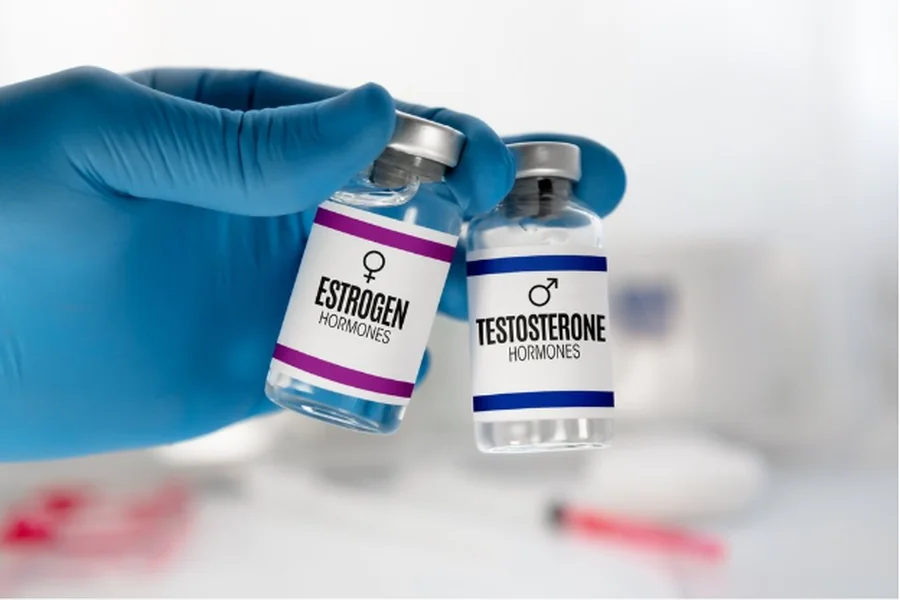
Bioidentical hormone therapy involves hormones that mimic your body’s hormones. Menopausal treatment primarily involves using estrogen (estradiol) and micronized progesterone. These medications can help relieve symptoms associated with the perimenopause, menopause or loss of ovarian function.
Common issues are hot flashes, night sweats, trouble sleeping and vaginal dryness. But just because it’s bioidentical doesn’t mean that it’s safer, gentler, or better-tested. So, you should always choose the FDA approved options.
Treatment decisions are based on your symptoms, uterus status, and health history, as well as your risks. Benefits, side effects, alternatives and follow-up should be reviewed by a licensed clinician.
Who May Benefit from Bioidentical Hormone Therapy?
The following may consider Bioidentical Hormone Therapy for Women after careful medical review.
Women Experiencing Menopause
In certain cases, postmenopausal women may benefit from bioidentical hormone therapy when their symptoms interfere with their sleep, work, family life, or everyday comfort.
Hot flushes, night sweats and associated sleep issues can be alleviated by the bioidentical estrogen therapy. Local vaginal estrogen also helps to relieve dryness, burning and pain with intercourse.
Moreover, this treatment can be used to prevent bone loss in some of these patients. It is likely that women with a uterus require sufficient progestogen in addition to systemic estrogen. This medicine helps to prevent the uterine lining from growing too much.
But treatment is not suitable for all women who have gone through menopause. Careful consideration of age, symptom timing, medications, and family history should be given by a clinician. An adequate route, dose and repeated evaluation over time is the best plan.
Women in Perimenopause
Perimenopause starts before the last period, when the levels of hormones released by the ovaries are not consistent. The flow, timing or pattern of periods may change during this phase. Women often experience mood swings, hot flashes, night sweats and insomnia.
Side effects may include vaginal dryness, decreased sexual comfort and difficulty concentrating. Women with moderate or severe symptoms may be able to control their symptoms with bioidentical hormone therapy. But it’s not a good form of birth control during menopause.
There is a need for additional, reliable use of contraceptives for women who can become pregnant. Any unusual or excessive bleeding should be evaluated before starting treatment or during a treatment session.
A doctor examines the patterns of the cycles, risk of pregnancy, migraine and clotting history. Symptoms, periods, and health needs change over time and this impacts treatment. Symptom relief is practical and unnecessary health risks are minimized through regular follow up.
Women with Hormonal Imbalances
Certain women may have conditions that reduce the amount of estrogen before the natural menopause. This can be due to primary ovarian insufficiency, surgery or medical treatment. These can result in hot flashes, changes to the vagina and begin loss of bone in the body.
However, some women may need to use bioidentical hormone therapy as a substitute for the lack of estrogen if there is no contraindication. In general, if estrogen is being administered systemically (by pill) with a uterus, no dose of progesterone is needed.
But if a person feels lethargic or has weight loss or gain, that does not necessarily mean there is a hormone imbalance.
Other conditions such as thyroid disease, anemia, sleep disorders, medications and stress can cause symptoms that are similar. Blood tests may be useful if needed for medical confirmation.
Testing can be done based on age, cycles and history. This helps minimize missed diagnoses and additional exposure to hormones.
What Types of Bioidentical Hormone Therapy Are Available?
These are the main types of bioidentical hormone therapy that doctors may discuss after reviewing your symptoms and risks.
Oral Tablets and Capsules
Bioidenticals can be used orally in the form of estradiol tablets and micronized progesterone capsules. These tablets are taken by mouth every day according to a doctor’s treatment plan. They can help alleviate hot flashes, night sweats, sleep disturbances and associated symptoms.
Systemic estrogen can be used to protect the lining of the uterus with micronized progesterone. Pills are comfortable, convenient and familiar for some women. But oral estrogen goes through the liver before reaching the general circulation.
This route can impact the proteins responsible for the coagulation of blood and some of the blood fats. Patches could be recommended if there is a risk of clot or if there are migraine issues.
Before beginning treatment, the interaction with medication and the state of your liver should be reviewed.
Vaginal Creams and Rings
Vaginal creams and rings are used to treat vaginal changes and urinary tract infections. They help to alleviate dryness, burning, irritation and pain during sexual intercourse. For some women, local bioidentical estrogen therapy causes them to experience fewer symptoms of the urinary tract.
Creams are administered with an applicator on the appropriate days and are measured. Rings are inserted into the vagina and release medicine over a period of weeks. Local products that are low-dose will provide less body-wide estrogen.
As a result, they are not effective at treating hot flashes or pervasive night sweats. Some vaginal rings are administered systemically, so product information remains significant. Any bleeding, change in breast or pelvic pain should be reported by women.
Topical Patches and Gels
The topical patches and gels are used to absorb the estradiol into the bloodstream through the skin. Patches remain on the body and are changed at regular intervals. The gels are applied to clean skin and left to dry. Both can help relieve hot flashes, night sweats and sleep disturbances.
They also avoid the first liver metabolism linked with oral estrogen. This route may have a lower clotting effect than swallowed estrogen. However, patches may loosen or irritate sensitive skin in some women. Gels require careful handwashing and drying before close skin contact.
Children, partners, and pets should not touch uncovered application areas. Women with a uterus still need suitable uterine protection during the therapy. Dosing and follow-up depend on symptoms, response, bleeding, and overall risk.
Injections
Estradiol injections deliver medication into muscle, releasing hormones over time. Some FDA-approved products treat moderate or severe menopausal hot flashes. They may also treat low estrogen caused by ovarian disorders.
Injections are usually given every few weeks under professional direction. Dose changes are less flexible than with gels or patches. In some cases, the level of hormones may vary between the scheduled shots.
Some mild side effects are breast tenderness, headache, nausea, swelling or bleeding. Injection-site pain/soreness can occur post-injection. However, clotting, liver disease, cancer risks and unexplained bleeding should be reviewed.
Conclusion
Bioidentical hormone therapy may help you feel steadier during changing life stages. You can explore treatment choices with a licensed healthcare provider nearby. Your symptoms, health history, and goals should guide every treatment decision.