Boxing In Mongolia: Is There A Chance For An Olympic Medal?
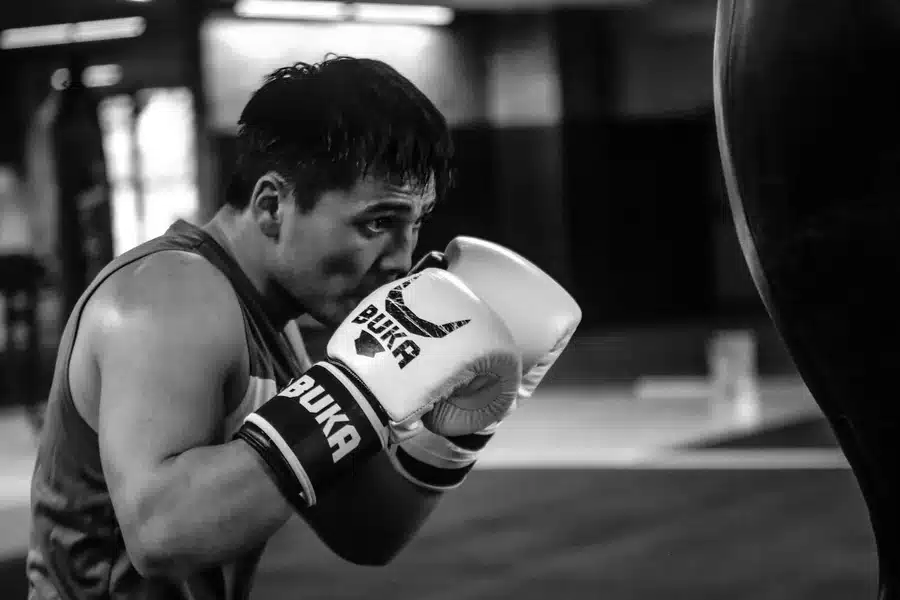
Boxing in Mongolia is not only a sport but also a legacy, a hunger, and unfinished business. The nation has the memory of the Olympics but no gold. There are promising talents in the world of fighters, yet the world is ruthless. Whether Mongolians can fight or not is not the question, but whether they can win when it matters. The push includes more resources, smarter training, and exposure to the world. Mongolia has a lot of potential; it is time to turn potential into podium. The 2021 Olympic cycle is open– it is time to follow every punch.
Mongolia’s Boxing History and Reputation
Mongolia is no stranger to the sport of boxing, except that it has never dominated the Olympics completely. The 2008 silver was mammoth, but it did not provoke a steady medal streak. Even so, the energy around combat sports remains strong, and boxing is starting to overlap with growing local interest in sports betting, especially during international competitions. Nevertheless, the spirit of fighting is not lost, and it is based in a country that is used to competing in sports such as wrestling.
The thing that is lacking is match experience at the top level. Mongolian boxers also have little access to world-class competition year-round. The majority trains locally and only travel at the time of major events. They require additional ring time in foreign countries, particularly against elite fighters, to create an actual international name. It will require one or two stars. The entire system must improve.
Investment in Training and Facilities
The level of commitment in Mongolian boxing is no longer just emotional—it’s becoming professional. Money is being directed not just to send athletes abroad but to build lasting infrastructure at home. That shift matters.
Here’s what’s happening on the ground:
- New equipment and full-scale recovery labs were added at the national high-performance center in Ulaanbaatar. These aren’t just bags and gloves—they include altitude simulators and cryo chambers.
- Fighters now use video analysis regularly, breaking down footage just like pro-level boxers in the U.S. or the U.K.
- Nutritionists and sports scientists track weight, hydration, and energy output, leading up to elite competitions.
- Budgeted international camps in Japan and Kazakhstan provide real sparring against Olympic-calibre opponents.
This kind of structure wasn’t there five years ago. If Mongolia keeps pushing like this, the medal dream stops being wishful thinking.
Key Factors That Could Define Mongolia’s Medal Potential
It is not only grit that brings about medals. The success of boxing in Mongolia will hinge on two key elements, namely, the development of talent and the evolution of coaching. The present generation is raw in power yet short in experience. You have to train smart as well as train hard.
The actual difference-makers are global exposure, top-level sparring, and strategic coaching. Mongolia possesses the ingredients. It now has to have the apparatus to blend them into a podium-quality outcome.
Talent Development and International Exposure
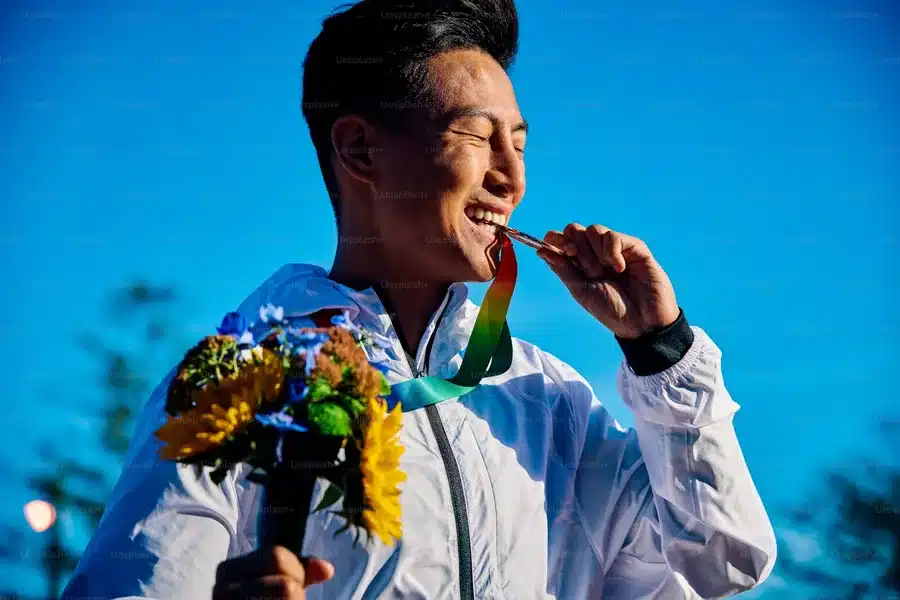
Mongolia boasts of young talent, but the transition from a local star to a world champion is not easy. The majority of them do not have access to world-class opposition regularly. Fighters reach their limit without being exposed to various styles of boxing, Cuban defense, Eastern European footwork, and Western combinations.
It does not just participate in international tournaments to win medals, but also to collect data. You discover what is working and what is not. A 2–3 months living abroad a year can reset the learning curve of an athlete. Nations such as Thailand are rotating boxers through camps in Kazakhstan or Europe. Mongolia might enjoy the same exchange or long-term cooperation.
Coaching, Strategy, and Fight IQ
An excellent coach not only works on technique, but he also makes fighters ready to handle the ring. Fight IQ implies whether to attack, to tie up, and how to get to the judges. Mongolian trainers tend to emphasize effort, but intelligent boxing is the one that wins Olympic rounds.
Efforts are in place to close that gap. Video analytics to train in decision-making is already in use in a few clubs. Coaches are also learning how to deal with the distance and traps of opponents. In close fights, it can be little adjustments such as pacing a first round or focusing on body shots, that make the difference. Intelligent trumps power, at least in Olympic lights.
Regional Competition and Global Pressure
Mongolia is not competing alone. The area breeds murderers every four years: Kazakhstan, Uzbekistan, and China overload the brackets with depth. They bring more international fights, more analytics, and more structure behind every punch in their boxers. Mongol warriors are hard, but hardness is not a plan when everybody is prepped and exposed to information.
The qualification out of the Asian qualifiers is savage as well. One bad draw, one missed weight, and the dream is dead. The Olympic boxing arena is becoming more competitive with every cycle, and the pressure of experience becomes a greater factor than ever before. Mongolia must face world-class opponents to have a chance to survive the regional fire before even having a dream of a medal bout.
Can Mongolia Turn Tradition Into Gold?
The nation has the culture and mentality of fighting sports. The lack is the infrastructure to ramp up the talent pipeline. You do not need 100 of the best boxers, but you need 10 who think they can win. And they need to meet elite competition early, not just at the final stage. More youth tournaments, better scouting, and continuous support from the federation level are key. The formula combines traditional grit with modern prep. Should the system stand, Mongolia will not only export fighters, but they will also export medal threats. With the right system, one generation can change the map.