Can You Tell the Difference? The Science of Lab-Grown vs. Mined Diamonds
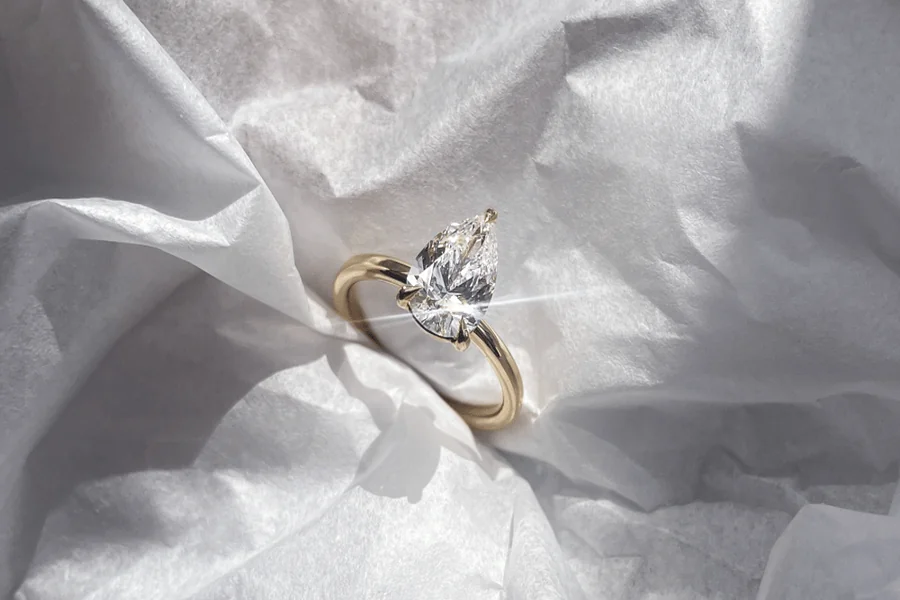
Hold a lab-grown diamond next to a mined one and, chemically, you’re looking at the same thing: pure crystallized carbon, arranged in the same tetrahedral lattice. The difference isn’t in the stone itself. It’s in how long it took to get there.
Same Carbon, Wildly Different Timelines
A mined diamond formed somewhere between one and three billion years ago, deep in the earth’s mantle, under pressure and heat that no lab could safely replicate at scale until recently. It got pushed to the surface through volcanic eruptions, then sat around for millions more years before anyone dug it up.
A lab-grown diamond skips all of that. Using either high-pressure high-temperature (HPHT) or chemical vapour deposition (CVD), technicians recreate the conditions of diamond formation in a controlled chamber. What takes nature a billion years takes a lab a few weeks. The resulting crystal has the same hardness (10 on the Mohs scale), the same refractive index, and the same fire and brilliance under light. That speed is also why the science has matured so quickly, and why Canadian shoppers browsing something like Cullen Jewellery Lab-Grown Diamonds Canada now see certified stones at a fraction of what a comparable mined diamond costs.
So How Do Gemologists Actually Tell?
Here’s where it gets interesting. Standard jeweller’s loupes and even most microscopes can’t reliably distinguish the two. What separates them is trace evidence left behind by their very different formation processes.
Mined diamonds often carry tiny mineral inclusions, things like garnet or pyroxene, picked up from the surrounding rock over those billions of years. Lab-grown stones, by contrast, sometimes show metallic flux inclusions (from HPHT) or a faint graining pattern (from CVD) that’s nearly invisible to the naked eye but shows up under specialized equipment.
The real test happens with tools most people never see: a Diamond View machine, which images fluorescence patterns under UV light, or spectroscopy that reads the diamond’s growth history at a molecular level. Mined diamonds tend to show irregular, sector-based fluorescence zoning. Lab-grown ones often show a more uniform or striped pattern, a fingerprint of their layer-by-layer growth. Every diamond sold through reputable channels, lab-grown or mined, should come with grading paperwork from a lab like GIA or IGI stating exactly which type it is and how they confirmed it.
Why This Matters for Buyers
None of this is really about spotting a fake. Lab-grown diamonds aren’t imitations, they’re real diamonds, just grown on a different timeline. The identification process exists so buyers know exactly what they’re paying for and can compare pricing fairly, since quality has climbed while prices have dropped well below mined stones of comparable carat, cut, and clarity.
If you’re shopping for an engagement ring or any diamond piece, ask for the certificate before you ask about the price. A legitimate stone, lab-grown or mined, will have documentation identifying its origin and grading its cut, colour, clarity, and carat weight. That paperwork is the only reliable way to know what’s actually on your hand, because your eyes alone won’t settle it.
The science has gotten good enough that the debate has quietly shifted. It’s less “can you tell the difference” and more “does the difference matter to you.” For a growing number of buyers, the honest answer is no.