Car Accidents in Thibodaux, LA: What Every Driver Should Know After a Crash
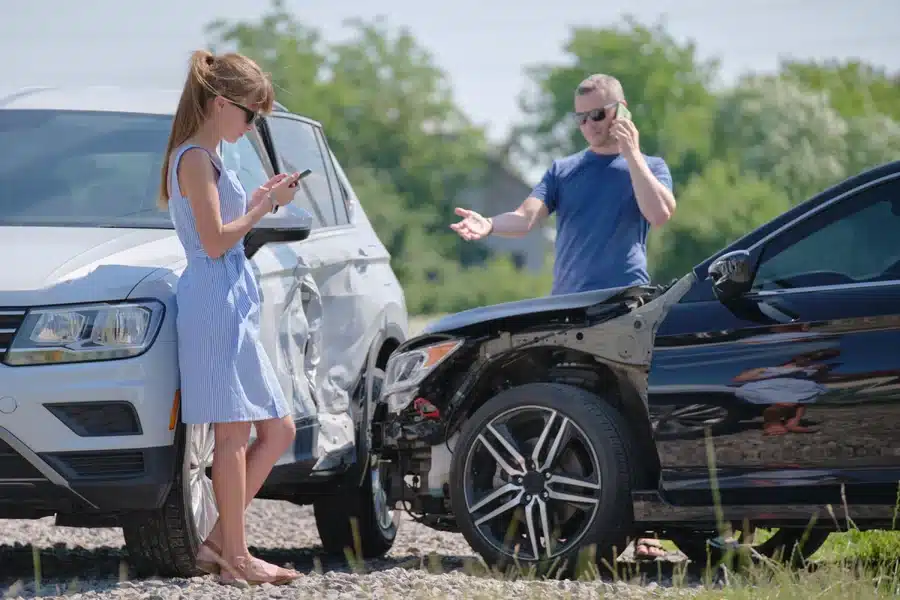
A car accident can change a normal day in just a few seconds. Whether the crash happens on Louisiana Highway 1, Highway 20, or a neighborhood street in Thibodaux, the choices made afterward can affect your health, finances, and legal rights. Understanding what to do after an accident helps drivers protect themselves and recover more smoothly.
After seeking medical care, many people speak with a Thibodaux car accident attorney to better understand their legal options. Residents in Thibodaux, Houma, Raceland, Gray, and nearby communities often face questions about insurance claims, medical expenses, lost income, and who is responsible for the crash. Getting reliable information early can make the process less stressful.
Car Accidents Remain a Serious Concern Across Louisiana
Traffic crashes happen every day across Louisiana. Busy roads, distracted driving, speeding, and impaired driving continue to contribute to preventable injuries.
According to the National Highway Traffic Safety Administration, thousands of people lose their lives in traffic crashes across the United States every year, while many more suffer injuries that require ongoing medical treatment. Even crashes that appear minor can result in neck injuries, back pain, concussions, or emotional trauma that develops over time.
Drivers in Lafourche Parish regularly travel between Thibodaux, Houma, and neighboring communities for work, school, and family activities. Increased traffic during peak travel hours creates more opportunities for collisions.
Why Local Knowledge Can Matter
Understanding local roads helps when investigating how an accident happened.
Areas around Thibodaux include a mix of city streets, highways, rural roads, and bridges. Each presents different driving conditions throughout the year. Heavy rain, construction zones, and seasonal traffic can all increase accident risks.
Thibodaux serves as the parish seat of Lafourche Parish and is home to Nicholls State University. Residents regularly travel between Thibodaux, Houma, Raceland, and nearby communities for work, school, and shopping. This steady traffic means local drivers encounter busy intersections and highways every day, making safe driving especially important.
Someone familiar with the local area may better understand traffic patterns, common accident locations, and the factors that often contribute to crashes in Lafourche and Terrebonne parishes.
Common Accident Locations
Drivers frequently encounter heavier traffic near:
- Downtown Thibodaux
- Louisiana Highway 1
- Louisiana Highway 20
- Major intersections connecting Houma and surrounding communities
- Shopping centers and school zones
These areas often experience increased congestion during mornings, afternoons, and weekends.
The First Steps After a Collision
The first few actions after a crash can help protect both your health and your legal claim.
Safety should always come first. Move to a safe location if possible and call emergency services if anyone is injured.
Important steps include:
- Contact local law enforcement.
- Exchange insurance and contact information.
- Take photographs of vehicle damage, road conditions, and injuries.
- Speak with witnesses if they are available.
- Seek medical care, even if injuries seem minor.
Medical records often become valuable evidence if injuries become more serious in the days following the accident.
Do Not Ignore Delayed Symptoms
Some injuries are not immediately obvious.
Whiplash, concussions, soft tissue injuries, and internal injuries may take hours or even days before symptoms appear. Early medical evaluation helps identify these conditions and creates documentation that may support an insurance claim.
Understanding Louisiana’s Comparative Fault Rule
Louisiana allows injured drivers to recover compensation even if they share some responsibility for the accident.
Under the state’s comparative fault system, compensation may be reduced by the percentage of fault assigned to the injured person. Every accident is different, and determining responsibility often requires reviewing evidence, witness statements, photographs, and police reports.
This is one reason many accident victims choose to understand their legal rights before accepting an insurance settlement.
Insurance Companies Often Work Quickly
Insurance adjusters usually begin investigating soon after an accident.
While adjusters may appear helpful, their goal is to resolve claims efficiently for the insurance company. Accident victims should carefully review settlement offers before accepting them, especially if medical treatment is still ongoing.
A settlement accepted too early may not fully cover future medical care, rehabilitation, lost wages, or long-term recovery expenses.
Keep Every Record
Good documentation strengthens an insurance claim.
Save copies of:
- Medical bills
- Repair estimates
- Prescription receipts
- Wage loss documentation
- Accident photographs
- Communication with insurance companies
Organized records help create a clearer picture of the financial impact of an accident.
Compensation May Include More Than Vehicle Repairs
Many people underestimate the full cost of an accident.
Beyond repairing or replacing a vehicle, injured drivers may face emergency treatment, surgeries, physical therapy, missed work, and ongoing pain.
Depending on the circumstances, compensation may include:
- Medical expenses
- Future medical care
- Lost wages
- Reduced earning capacity
- Pain and suffering
- Property damage
Every case depends on its own facts, which is why personalized legal guidance can be valuable.
Safe Driving Benefits Everyone in Thibodaux and Houma
Preventing accidents remains the best outcome.
Drivers can lower their risk by avoiding distractions, obeying speed limits, wearing seat belts, and leaving enough space between vehicles. Defensive driving becomes especially important during heavy rain, nighttime travel, and holiday traffic.
The Louisiana Highway Safety Commission also provides educational resources that encourage safer driving habits throughout the state.
Community Awareness Makes Roads Safer
Every driver shares responsibility for road safety.
Parents can teach young drivers about defensive driving, employers can encourage safe driving policies, and experienced motorists can set positive examples by staying focused behind the wheel.
Small choices made every day contribute to fewer crashes across Thibodaux, Houma, and neighboring communities.
Frequently Asked Questions
How long do I have to file a car accident claim in Louisiana?
Louisiana law sets deadlines for filing personal injury lawsuits. Waiting too long could affect your ability to seek compensation, so it is wise to understand your legal rights as soon as possible after an accident.
Should I see a doctor after a minor car accident?
Yes. Some injuries, including whiplash, concussions, and soft tissue injuries, may not cause symptoms immediately. A medical evaluation helps protect both your health and your medical records.
What if the other driver says the accident was partly my fault?
Louisiana follows a comparative fault system. Even if you share some responsibility for a crash, you may still be able to recover compensation, although the amount may be reduced based on your percentage of fault.
Final Thoughts
Car accidents create uncertainty, but informed decisions can make recovery easier. Understanding your rights, seeking prompt medical care, documenting the accident, and learning how Louisiana’s laws apply can help you move forward with confidence.
For drivers throughout Thibodaux, Houma, Raceland, Gray, and surrounding areas, being prepared before an accident happens is just as important as knowing what to do afterward. Reliable information and timely action can make a meaningful difference when dealing with the physical, emotional, and financial effects of a serious collision.