Common Dental Emergencies Burien
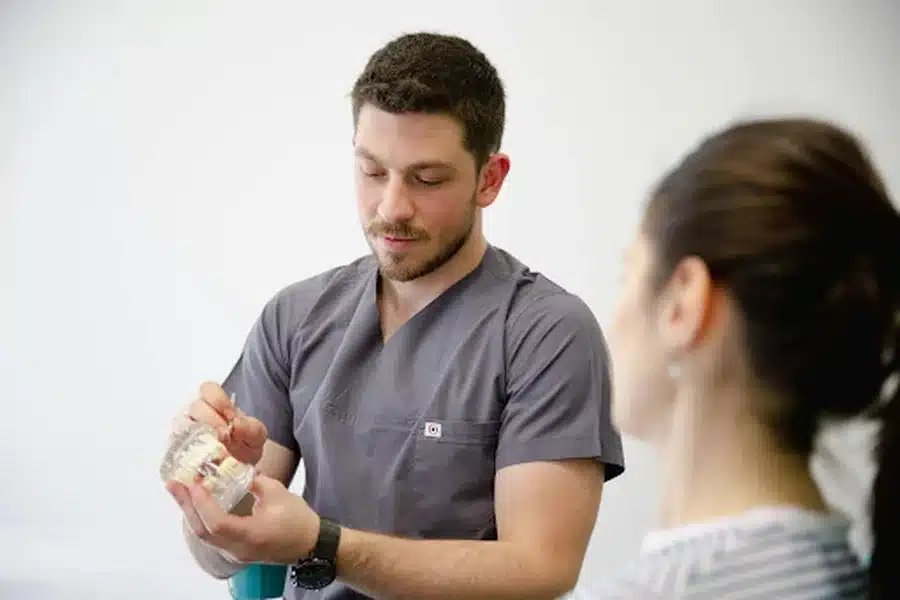
In Burien, dental emergencies such as sudden toothaches, knocked-out teeth, and lost fillings demand immediate and precise attention to avoid further complications. These incidents often present with acute discomfort, requiring decisive action to preserve dental health and aesthetics. Understanding the intricacies of managing abscesses, cracked teeth, and soft tissue injuries is essential. Patients must recognize the importance of prompt professional evaluation and intervention, as these emergencies can escalate without timely care.
Understanding Sudden Toothaches
Toothaches, a frequent dental complaint, can arise unexpectedly and often signal underlying oral health issues. The etiology of sudden toothaches can be multifactorial, necessitating a thorough clinical examination. Common causes include dental caries, pulpitis, or periodontal disease, each potentially exacerbated by poor oral hygiene practices. Additionally, underlying medical conditions such as sinusitis, temporomandibular joint disorders, or neuropathic pain syndromes can manifest as dental discomfort, complicating diagnosis.
Patients experiencing acute tooth pain should be assessed with empathy and urgency, as this symptom often indicates an evolving pathological process. Radiographic imaging and diagnostic tests are instrumental in identifying the precise source of discomfort. Timely intervention not only alleviates pain but also prevents potential complications, underscoring the importance of professional dental evaluation.
Handling Knocked-Out Teeth
When a tooth is avulsed, immediate and correct action is pivotal to increase the likelihood of successful reimplantation. The dislodged tooth should be gently rinsed with saline solution to remove debris, being careful to avoid touching the root, and then kept moist, ideally in a balanced salt solution or milk, to preserve periodontal ligament cells. Prompt consultation with dental professionals is essential, as time is a critical factor in maintaining the viability of the avulsed tooth.
Immediate Steps to Take
Although a knocked-out tooth can be alarming, it is vital to act swiftly and follow precise steps to maximize the chances of successful reimplantation. Immediate action includes carefully retrieving the tooth by its crown, avoiding contact with the root to prevent damage to periodontal fibers. Rinsing the tooth gently with saline or milk is advised, taking care not to scrub or remove any tissue fragments. Applying first aid measures, such as controlling bleeding with gauze, is pivotal. Simultaneously, contacting a reliable emergency dentist in Burien ensures prompt professional attention. Time is critical; ideally, reimplantation should occur within 30 minutes to increase viability. Throughout this process, maintaining a calm demeanor reassures the patient and aids in effective management of the situation.
Preserving the Tooth
The immediate actions taken to secure a knocked-out tooth set the stage for its preservation. Prompt attention is paramount, given the critical time sensitivity in handling avulsed teeth. Clinicians emphasize the importance of minimizing further damage by avoiding contact with the tooth’s root. Instead, one should handle the tooth by its crown. Rinsing with saline or milk, rather than scrubbing, helps maintain essential periodontal ligament cells. Reinsertion into the socket within 30 minutes increases the prognosis of successful reattachment. If immediate reinsertion is not viable, storing the tooth in Hank’s Balanced Salt Solution or milk preserves moisture. An urgent dental visit remains indispensable for proper re-implantation and stabilization, underscoring the necessity of swift, informed action in dental traumas.
Dealing With Lost Fillings
Occasionally, patients experience the disconcerting event of a lost dental filling, a situation that warrants immediate attention to prevent further oral complications. This occurrence may expose the underlying tooth structure to potential decay and sensitivity. Identifying causes of fillings loss is essential; factors include recurrent decay, bruxism, or trauma. Each necessitates a tailored approach to restoring oral health.
When replacing fillings, the dental professional evaluates the integrity of the remaining tooth and selects appropriate materials such as composite resin or amalgam. Timely intervention mitigates risk, preserving tooth function and aesthetics. Patient empathy is paramount in addressing discomfort, providing reassurance throughout the procedure. Ensuring the durability of the restoration involves continuous monitoring and patient education on preventive care strategies.
Managing Abscesses
Addressing the pressing concern of lost dental fillings naturally leads to the equally urgent matter of managing dental abscesses. Dental abscesses represent localized infections characterized by pus accumulation, often resulting in significant gum swelling. Clinically, the primary objective is to guarantee effective pus drainage, alleviating pressure and reducing infection. Immediate professional intervention is recommended to prevent systemic complications. Patients may experience throbbing pain and fever, indicating the need for urgent care. Dentists perform incision and drainage procedures or root canal therapy, dependent on abscess location and severity. Empathetic patient management includes pain relief and antibiotics, enhancing recovery prospects. Awareness of symptoms and prompt action are critical, as untreated abscesses risk further oral or systemic health deterioration.
Addressing Cracked or Broken Teeth
When encountering a cracked or broken tooth, it is vital to implement immediate care steps such as rinsing the mouth with warm water and applying a cold compress to minimize swelling. Professional treatment options, including dental bonding or crowns, are indispensable to restore function and aesthetics. To prevent such incidents, patients are advised to avoid hard foods and consider using a mouthguard during sports activities.
Immediate Care Steps
In the event of a cracked or broken tooth, prompt and appropriate care is indispensable to prevent further damage and alleviate discomfort. Individuals should begin by gently rinsing the oral cavity with warm water to cleanse the area. If there is bleeding, applying gentle pressure with a clean cloth can assist in hemostasis. Securing a loose tooth without applying excessive force is paramount to avoid exacerbating the injury. Evaluating dental pain is essential; over-the-counter analgesics can provide temporary relief. Cold compresses applied externally to the affected area may reduce swelling and discomfort. Importantly, any tooth fragments should be preserved, ideally in milk or a saline solution, to aid dental professionals later. Immediate dental consultation is recommended to ensure thorough care.
Professional Treatment Options
Although a cracked or broken tooth can be distressing, various professional treatment options are available to restore dental integrity and function. Urgent dental consultations are essential as they allow for the swift assessment of damage by qualified dental specialists. These professionals employ diagnostic tools, such as radiographic imaging, to ascertain the extent of the fracture. Treatment plans may include dental bonding, where a tooth-colored resin is applied to restore appearance and functionality, or dental crowns, which encase the damaged tooth, providing structural support. In cases of extensive damage, root canal therapy might be necessary to prevent infection. Throughout the process, patient empathy remains paramount, ensuring that treatment is tailored to individual needs, alleviating discomfort, and restoring confidence in dental health.
Preventive Measures Tips
A cracked or broken tooth can often be prevented with strategic preventive measures that shield dental integrity and alleviate potential trauma. Fundamental to this prevention are robust dental hygiene practices, which include regular brushing with fluoride toothpaste, effective flossing, and routine dental check-ups. These oral care routines are critical in maintaining enamel strength and reducing decay risks. Additionally, individuals should avoid using teeth as tools, such as opening packages, and should be cautious with hard foods like nuts or ice. For those engaging in contact sports, wearing a mouthguard is advised to provide mechanical protection. By adhering to these preventive strategies, individuals can dramatically reduce their risk of dental emergencies, thereby promoting long-term oral health stability and resilience.
Responding to Loose Crowns
When a dental crown becomes loose, it presents a situation requiring prompt attention to guarantee further complications do not arise. Crown displacement can lead to discomfort and potential damage to the underlying tooth structure. Immediate steps should be taken to minimize risk. Patients are advised to carefully remove the crown, if possible, to avoid swallowing or inhaling it. After removal, the site should be gently cleaned.
Temporary crown repair can be achieved using over-the-counter dental cement as a short-term solution. This can help secure the crown until professional dental care is accessible. Patients should avoid chewing on the affected side and maintain a soft diet. Prompt consultation with a dental professional is essential to verify proper reattachment and to address any underlying issues.
Treating Soft Tissue Injuries
Soft tissue injuries in the oral cavity, such as lacerations, abrasions, and contusions, require careful assessment and prompt action to prevent infection and facilitate healing. Initial management involves controlling bleeding, which can be achieved by applying gentle, direct pressure with sterile gauze. This not only helps to control hemorrhage but also allows visualization of the injury for further evaluation. Minimizing pain is indispensable, and can be accomplished through the use of appropriate analgesics and cold compresses, which aid in reducing swelling and discomfort. A thorough inspection for foreign bodies and signs of infection is vital, followed by irrigation with saline solution to cleanse the wound. Timely referral to a dental professional ensures comprehensive care and ideal recovery for the patient.
Coping With Orthodontic Emergencies
As soft tissue injuries demand immediate and precise care, orthodontic emergencies present their own unique challenges that require timely intervention. A dislodged bracket or protruding wire can cause significant discomfort and disrupt treatment plans. Managing orthodontic pain promptly is essential to maintaining patient comfort and guaranteeing adherence to the treatment trajectory. When aligners become damaged or fail to fit correctly, adjusting aligners expediently is imperative to avoid undue strain on the teeth and gums. Clinicians advise using orthodontic wax to cover sharp edges temporarily, while over-the-counter analgesics may alleviate acute discomfort. Patients should avoid attempting unsupervised repairs as improper handling can exacerbate the issue. Timely professional consultation ensures corrective measures are implemented efficiently, preserving both dental health and treatment integrity.
Seeking Emergency Dental Care in Burien
Why is immediate attention essential when encountering dental emergencies in Burien? Prompt intervention can mitigate pain, prevent infection, and preserve oral health. In Burien, accessing emergency dental services is indispensable due to the potential severity of untreated dental trauma or infection. Patients benefit from identifying dental clinic locations offering specialized emergency care. Such clinics are equipped with advanced diagnostic tools and experienced professionals ready to address acute dental issues, ranging from severe toothaches to traumatic injuries. Ensuring availability of emergency dental services provides patients with peace of mind, knowing that expert care is accessible when urgency strikes. Understanding the layout of dental clinic locations aids individuals in making informed, swift decisions, thereby optimizing outcomes and minimizing long-term complications in dental emergencies.
Frequently Asked Questions
What Should I Do if I Experience Frequent Tooth Sensitivity?
Experiencing frequent tooth sensitivity warrants consulting a dentist for potential tooth desensitizing treatments. Implementing dietary modifications by avoiding acidic foods and beverages can also alleviate symptoms, demonstrating clinical adherence to preventive measures while maintaining empathy for patient comfort.
Can I Prevent Dental Emergencies With Regular Check-Ups?
Yes, preventive dental care, including routine dental cleanings, drastically reduces the risk of emergencies. Early detection through regular check-ups allows for timely interventions, minimizing complications and ensuring excellent oral health, thereby fostering patient reassurance and well-being.
How Can I Reduce the Risk of Dental Injuries During Sports?
To mitigate dental injury risks in sports, individuals should use mouth guards to safeguard teeth and avoid high-impact sports when possible. Implementing these strategies demonstrates a proactive approach to dental health preservation during athletic activities.
Are There Any Home Remedies for Temporary Relief From Dental Pain?
Applying a cold compress can alleviate swelling and numb the affected area, while over-the-counter pain medication consumption offers temporary relief. Patients should consult a dental professional promptly, as these measures do not address underlying causes.
How Do I Identify a Dental Emergency if I’m Unsure?
A dental emergency can be identified by signs of swelling, sudden onset of pain, or bleeding. Patients should monitor these symptoms closely and seek immediate professional evaluation to prevent potential complications and guarantee appropriate treatment.