Comparing FUE and FUT: How These Hair Transplant Techniques Differ
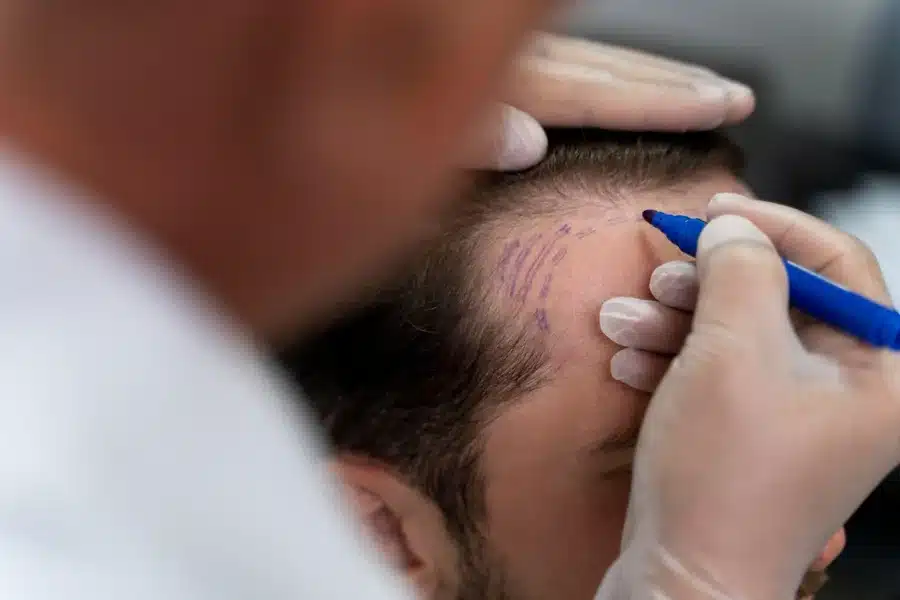
Hair loss can be a difficult situation that impacts one’s confidence as well as appearance. Fortunately, advances in hair restoration techniques have made it possible for people who are balding or experiencing thinning hair to find effective solutions. Follicular Unit Extraction (FUE) and Follicular Unit Transplantation (FUT) are two of the most widely used techniques. Both procedures, recovery times, scarring, and suitability for different people vary, even though their goals are the same: to restore hair density and a natural-looking hairline. Potential patients can make well-informed decisions regarding their hair restoration journey by being aware of these distinctions.
Comprehending the Processes: FUT versus FUE
The method used to remove hair follicles from the donor area is the main distinction between FUE and FUT. With FUE, a tiny punch tool is used to remove individual follicular units straight from the scalp. One graft is removed at a time using this minimally invasive technique, leaving behind tiny, round wounds that heal rather quickly. With FUT, on the other hand, a strip of scalp is surgically removed, typically from the back of the head, and the follicular units are subsequently examined under a microscope. A linear scar is left behind after the donor site is sutured shut.
Graft Yield and Quality
The quantity and caliber of grafts that can be harvested are significant considerations when contrasting FUE and FUT. Because the strip harvesting technique enables surgeons to collect a larger volume of follicular units in a single session, FUT is frequently preferred when a large number of grafts are needed. Furthermore, because FUT grafts are less likely to sustain damage during extraction, they might have a higher survival rate. On the other hand, FUE allows surgeons to harvest follicles selectively, reducing visible thinning in the donor area, even though it is more labor-intensive and may result in fewer grafts per session. For patients who need smaller procedures or have tighter scalps that might not be appropriate for strip harvesting, this makes FUE especially alluring.
Disparities in Scarring and Healing
The kind of scarring that is left behind is one of the most important factors that patients take into account when deciding between FUE and FUT. The donor area is covered in tiny scars that resemble dots due to the extraction technique used in FUE. Even with short hairstyles, these are usually undetectable and concealable. However, where the scalp strip was removed, FUT leaves a linear scar. Although the surrounding hair can frequently hide this scar, if the scar stretches over time or the hair is cut extremely short, it may become more noticeable. Healing times also differ: patients who opt for a reliable FUE hair transplant typically recover more quickly and have less post-operative discomfort, whereas FUT patients may require a little more time to heal because of the sutures and larger wound area.
Adaptability to Various Patients
A patient’s lifestyle, hair type, scalp laxity, and future hair restoration goals all play a role in the decision between FUE and FUT. Patients who want to avoid a linear scar, have a flexible schedule for several smaller procedures, or prefer to wear their hair short are frequently advised to get FUE. For people who have already had FUT and want to hide the scar, it’s also beneficial. FUT might be more appropriate for people who want a more substantial hair restoration in a single session or who have enough laxity in their scalp to permit tension-free strip harvesting. To ascertain which approach best suits the patient’s objectives and physiological characteristics, speaking with a skilled hair transplant surgeon is essential.
Long-Term Planning and Cost Considerations
For many people considering hair transplantation, cost can be a determining factor. Because individual follicle extraction requires more care and takes longer, FUE is typically more expensive than FUT. The surgeon’s level of experience, the clinic’s location, and the overall number of grafts needed can all affect the cost difference. Patients’ long-term objectives for hair restoration should also be taken into account. Some people may require further procedures in the future to maintain their desired appearance because hair loss is progressive.
A trained hair restoration specialist who can customize the procedure to the patient’s unique needs, hair type, and aesthetic preferences should ultimately be consulted when deciding between FUE and FUT. Patients can start a hair restoration journey that improves their appearance and confidence if they give it careful thought.