Ergonomics and Comfort: The Evolution of Modern Desk Chairs
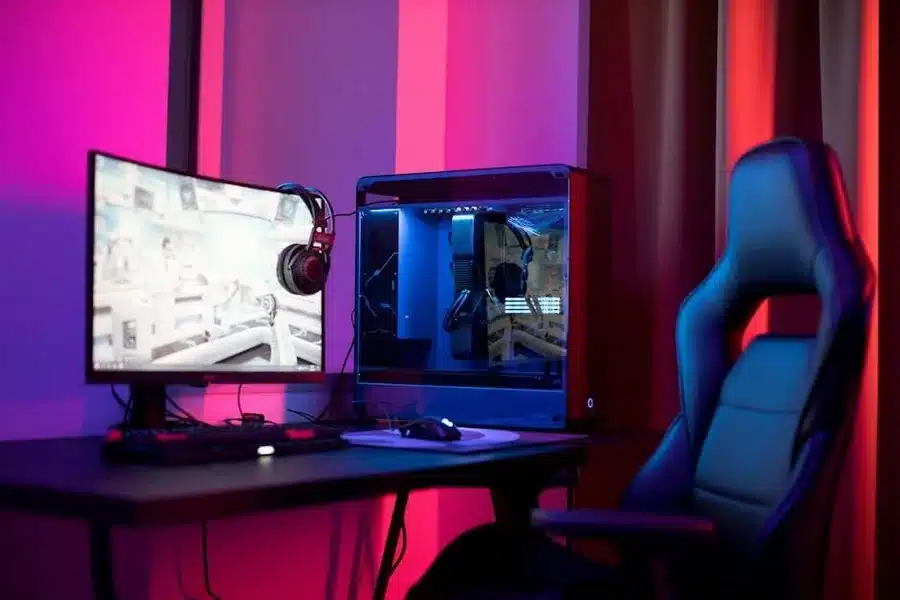
In today’s digital age, the computer desk chair is no longer a mere piece of furniture. With the prevalence of remote work and extended hours spent in front of screens, the importance of a well-designed chair becomes paramount. The right chair not only ensures comfort but can also significantly impact productivity and overall well-being. By visiting Razer’s computer desk chair collection, one can explore options specifically tailored to enhance both comfort and efficiency.
The Evolution of the Desk Chair
Ergonomics has driven significant advancements in the design of desk chairs over recent years. Historically, office chairs were designed with a focus on basic functionality rather than user comfort. Today, chairs are engineered with an intricate understanding of human physiology, ensuring they cater to the diverse needs of modern users.
Ergonomic Design Features
Contemporary computer chairs incorporate a range of features aimed at reducing strain and enhancing comfort. Adjustable seat heights, lumbar support, and tilt mechanisms are no longer seen as luxury features but as standard elements. These innovations allow users to customise their seating positions to their specific body shapes and sizes, promoting better posture and reducing the risk of musculoskeletal disorders.
Materials and Sustainability
The choice of materials in desk chairs can significantly affect comfort levels. Breathable mesh, memory foam, and high-quality leather are popular for their comfort and durability. Additionally, as sustainability becomes increasingly important, manufacturers are exploring ways to produce chairs using eco-friendly materials and processes. Recycled plastics and sustainable fabrics are now being incorporated to minimise environmental impact while maintaining high standards of quality and comfort.
Health Implications of Poor Seating
Inadequate seating solutions can lead to numerous health issues, ranging from minor discomfort to chronic conditions. Understanding these implications is crucial for both employers and individuals looking to invest in quality seating solutions.
Posture and Musculoskeletal Health
Prolonged periods of sitting in poorly designed chairs can contribute to poor posture, leading to various musculoskeletal issues, including back pain, neck strain, and shoulder tension. Ergonomically designed chairs support the natural curve of the spine, encouraging posture that minimises stress on the body.
Circulation and Energy Levels
Proper seating arrangements play a pivotal role in maintaining healthy blood circulation. Chairs that do not provide adequate support can compress blood vessels and impede circulation, leading to fatigue and decreased energy levels. Ergonomic chairs often come with features that promote movement and allow slight adjustments, keeping the body active even during sedentary tasks.
The Role of Aesthetics in Workspace Design
While functionality and comfort are paramount, the aesthetic appeal of a desk chair can significantly influence the atmosphere of a workspace. A well-designed chair can complement the overall design of an office, enhancing the environment and making it a place where people enjoy working.
Blending Function and Style
Today’s market offers a diverse range of chairs that marry functionality with style. Whether one prefers a minimalist design or something more bold and striking, there are computer desk chairs to suit every taste. Investing in chairs that reflect a personal or corporate style can lead to a more inspiring and cohesive workspace.
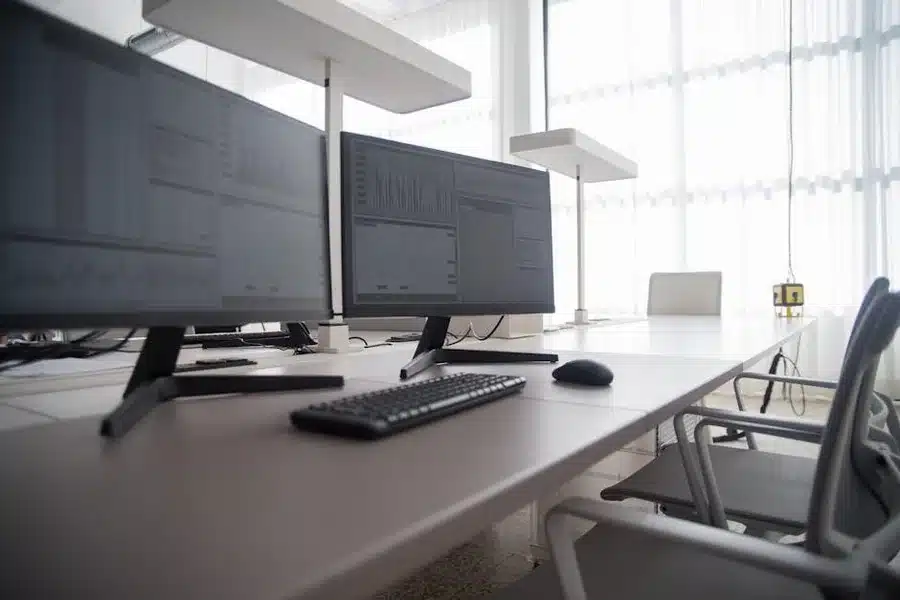
Colour and Mood
Colour psychology plays a subtle yet profound role in office environments. Brightly coloured chairs can inject energy and creativity into a workspace, whereas more neutral tones may promote calmness and focus. Understanding how different colours influence mood can be beneficial when selecting a chair for either a personal home office or a corporate setting.
Technological Innovations
The integration of technology into everyday items is no longer limited to digital devices. Modern desk chairs are now equipped with advanced technological features designed to enhance user experience.
Smart Chairs and Connectivity
Some high-end chairs now feature smart capabilities, such as sensors that monitor posture and suggest adjustments. Through connectivity with apps and other devices, users can receive real-time feedback on their seating habits, helping them make necessary adjustments to improve health and productivity.
Customisation and Predictive Adjustments
Technological advancements have also led to innovations in chair adjustability. Some models feature built-in AI that learns user preferences over time, adjusting settings automatically for optimal comfort and support. This level of personalisation ensures that each user receives a seating experience tailored to their unique needs.
Conclusion
The significance of a well-chosen computer desk chair cannot be overstated. In a world where remote work and digital interaction are prevalent, investing in a chair that provides both comfort and support is essential. The various aspects of ergonomic design, material selection, aesthetic considerations, and technological integration work together to create seating solutions that can profoundly impact health, productivity, and overall satisfaction in a workspace.