Everything You Need to Know About Credit Scores in 2026
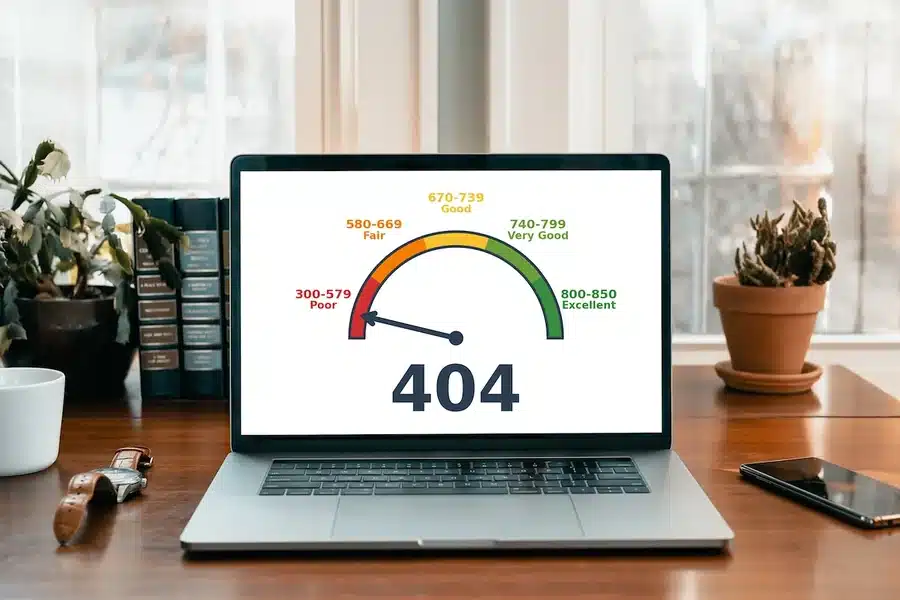
A credit score is a three-digit number, ranging from 300 to 900. Credit score represents an individual’s creditworthiness. In India, four bureaus generate these scores: CIBIL (TransUnion), Experian, Equifax, and CRIF High Mark. Among these, CIBIL is the most widely referenced by Indian lenders. When someone says, “my credit score,” they almost always mean their CIBIL score.
The score is generated from data reported by banks, NBFCs, credit card companies, and increasingly, telecom and utility providers. Every loan taken, every credit card bill paid or missed, every EMI cleared or defaulted; it all feeds into the score calculation. The result is a single number that lenders use to make quick decisions about whether to approve a loan, how much to lend, and at what interest rate.
A high score opens doors. A low score closes them. And a score that doesn’t exist at all, which is common among first-time borrowers, creates its own set of challenges.
How Credit Scores Are Calculated in India
The exact algorithm each bureau uses is proprietary. But the broad factors and their approximate weightage are well understood:
- Payment History (~35% weightage): The single most influential factor. Every on-time payment improves the score. Every late payment, default, or write-off damages it. Even a single 30-day late payment can drop a score by 50 to 80 points. The effect of missed payments diminishes over time but stays visible on the report for up to 7 years.
- Credit Utilisation (~30%): This measures how much of the available credit limit is being used. A borrower with a ₹2 lakh credit card limit carrying a ₹1.6 lakh balance has 80% utilisation. That’s a red flag. The recommended threshold is below 30%. Someone using ₹60,000 of that ₹2 lakh limit sends a much healthier signal to the algorithm.
- Length of Credit History (~15%): Older accounts with consistent payment records contribute positively. Closing the oldest credit card to “simplify finances” can actually hurt the score by reducing the average age of credit accounts. Keep old accounts open, even if they’re rarely used.
- Credit Mix (~10%): Having a combination of credit types, say a credit card, a personal loan, and a home loan, demonstrates the ability to manage different forms of credit responsibly. Relying exclusively on credit cards without any instalment loans can limit the score’s upside.
- New Credit Inquiries (~10%): Every loan or credit card application triggers a hard inquiry on the report. Multiple inquiries within a short period suggest financial desperation. Spacing out applications and researching eligibility before applying minimises unnecessary hard pulls.
[CIBIL and other bureaus do not publicly confirm exact percentages. The weightage is in line with industry standards.]
Credit Score Ranges and What They Mean for Borrowers
Not all scores are treated equally. Here’s how lenders generally interpret the ranges:
- 750 to 900 (Excellent): The best interest rates, highest loan amounts, and fastest approvals. Banks actively compete for borrowers in this range. Pre-approved offers are common. This is where every borrower should aim to be.
- 700 to 749 (Good): Most loan applications get approved, but the interest rate offered may be 1% to 3% higher than what excellent-score borrowers receive. On a ₹10 lakh loan over 5 years, even a 2% rate difference adds up to over ₹1.5 lakhs in extra interest.
- 650 to 699 (Fair): Traditional banks become hesitant. NBFCs and fintech platforms remain accessible but at higher rates. Borrowers in this range should focus on improving the score before taking on large loans.
- 550 to 649 (Below Average): Bank approvals are unlikely. Some NBFCs and fintech platforms still process applications, but the terms are significantly less favourable. High interest rates and lower loan amounts are the norm.
- 300 to 549 (Poor): Formal credit access is extremely limited. Rebuilding from this range requires 12 to 24 months of disciplined financial behaviour. Secured credit cards and small credit-builder loans are the primary tools available.
How to Check a Free Credit Score in 2026
Checking a credit score is free, takes under five minutes, and has zero impact on the score itself. Self-initiated checks are classified as soft inquiries. No penalty. No downside. Here are the main ways to do it in India right now:
- CIBIL Official Website: TransUnion CIBIL provides one free credit report per year. Since this is the bureau most Indian lenders reference, it’s the primary score to track. Additional reports cost approximately ₹550 each.
- Finnable: Borrowers can check credit score for free through the platform, which provides a detailed breakdown of the factors pulling the score up or dragging it down. Particularly useful for first-time borrowers who want to understand their standing before approaching any lender.
- Experian and Equifax: Both bureaus operate in India and offer free score checks through their respective websites. Cross-checking across multiple bureaus helps identify discrepancies, since each may hold slightly different data.
- Banking Apps: Banking apps now display credit scores directly within their mobile banking apps. Existing account holders can access this without registering anywhere new.
One important note: scores across bureaus won’t always match. Each uses proprietary algorithms and may not have access to identical data sets. Since CIBIL dominates the Indian lending landscape, that’s the score to prioritise when comparing or tracking progress.
How Lenders Use Credit Scores to Make Decisions
The credit score isn’t just a pass/fail gate. It’s a pricing mechanism. Two borrowers applying at the same bank for identical loan amounts can receive interest rate offers that differ by 5 to 8 percentage points based solely on their credit profiles. Over a 5-year tenure, that translates to lakhs in additional or saved interest.
Here’s how different lender categories approach it:
- Public sector banks: Minimum 750. Strictest criteria. Lowest rates for those who qualify. Processing takes 3 to 7 days in most cases.
- Private banks: 720 to 750 range. Competitive rates for existing customers. Pre-approved offers through banking apps for high-score customers.
- NBFCs & Fintech platforms: It is the most flexible category. Finnable, for example, sets the minimum CIBIL at 675 but also processes applications from first-time borrowers with no credit history at all, using employment stability and salary patterns for assessment. Loans range from ₹50,000 to ₹10 lakhs at 15% to 30.99% p.a. on reducing balance, with disbursal within 60 minutes for eligible applicants.
The trend is clear: the higher the score, the more options and better terms available. But even borrowers with lower scores or no history now have legitimate RBI-registered platforms willing to evaluate them through alternative methods.
Proven Methods to Improve a Credit Score
Credit scores aren’t fixed. They respond to financial behaviour, and meaningful improvement is achievable within 6 to 12 months with consistent effort. Here’s what actually moves the needle:
- Pay every bill on time, every single month. This is the single most impactful action. Loan EMIs, credit card bills, utility payments, postpaid mobile bills; set up auto-debit for everything. One missed payment can undo months of progress.
- Bring credit utilisation below 30%. If the credit card limit is ₹1 lakh, outstanding balances should stay under ₹30,000 at any point. High utilisation signals financial stress to scoring algorithms, even if payments come in on time. Requesting a credit limit increase without changing spending habits is one way to lower the ratio quickly.
- Don’t close old credit accounts. The oldest credit card contributes to the “length of credit history” factor. Closing it shortens the average account age and can drop the score. Keep it active with small, recurring charges.
- Limit new credit applications. Every application triggers a hard inquiry. Multiple inquiries within a few months read as desperation. Research eligibility criteria before applying and limit submissions to one or two targeted lenders.
- Dispute errors on the credit report. Namesake errors, incorrect balances, and accounts that don’t belong to the individual are more common than most people realise. Checking the full credit report (not just the score) and raising disputes with the relevant bureau can correct inaccuracies that are dragging the number down.
- Build from scratch with a secured credit card. For individuals with no credit history, a secured credit card backed by a fixed deposit is the safest starting point. Use it for small purchases, pay the full balance monthly, and the positive payment record starts building the credit file from day one.
Credit Scores in the Age of Digital Lending
The personal loan market in India has shifted dramatically towards digital platforms that make decisions in minutes rather than days. That speed relies heavily on credit scores. When an algorithm has 60 seconds to evaluate a borrower, the three-digit number becomes the primary input driving the decision.
RBI-registered platforms like Finnable, which processes applications within 60 minutes across 170+ cities, have made credit access faster and more inclusive. But that speed works best for borrowers who understand where they stand before they apply. Checking the score, understanding what’s on the report, and knowing which lender category matches the profile transforms the borrowing experience from a gamble into an informed decision.
A credit score follows individuals across every significant financial interaction for decades. It’s not a number that can be ignored until it’s needed and then fixed overnight. The borrowers who check it regularly, maintain it proactively, and understand how it works are the ones who consistently access the best financial products at the lowest costs. That’s the real advantage, and it starts with a five-minute free check.