Factors That Influence the Cost of a Tooth Implant
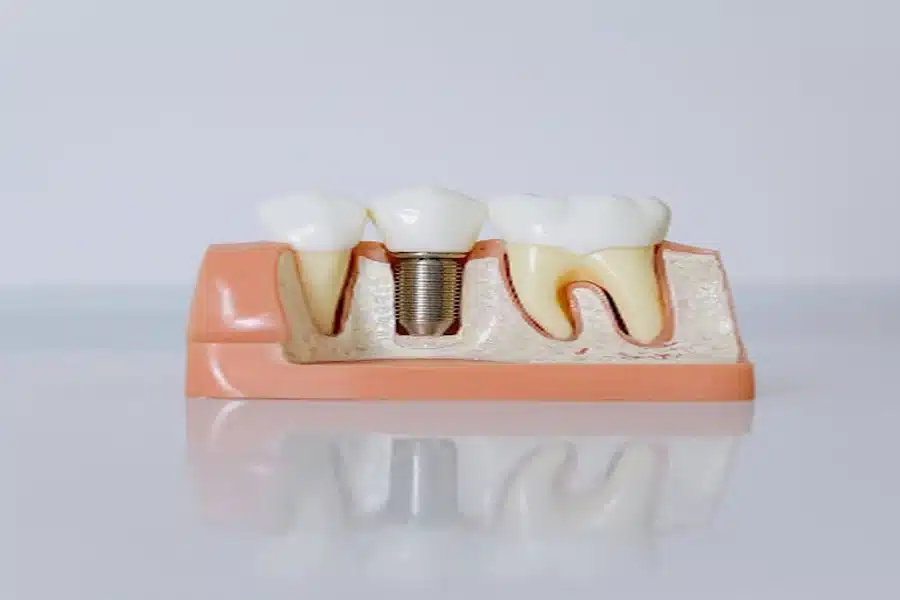
When you’re considering a tooth implant, it’s indispensable to understand that various factors can influence the cost. From the type of implant material, like titanium or zirconia, to the expertise of the dental professional, each element plays a role. The clinic’s location and any additional treatments required can also affect the final bill. Curious about how these factors come into play and impact your decision-making process? There’s more to uncover.
Material Quality and Type of Implant
When considering tooth implant costs, the material quality and type of implant play a pivotal role. You’ll find that different materials come with varying price tags. Titanium, a popular choice for its durability and biocompatibility, might be on the pricier side but offers long-term benefits. On the other hand, zirconia implants appeal for their aesthetic similarity to natural teeth, though they might cost more due to advanced manufacturing processes. To get a clearer idea of the average price for single tooth implants, it’s helpful to explore how these materials influence overall costs and what that means for your treatment plan.
The type of implant also affects costs. Endosteal implants, the most common type placed within the jawbone, might be less expensive compared to subperiosteal implants, which sit on top of the jawbone and require custom design. As you weigh your options, consider how these factors align with your budget and long-term dental health goals.
Complexity of the Procedure
Although it might not be the first thing you consider, the complexity of the procedure drastically impacts the overall cost of tooth implants. Each case is unique, and factors like bone quality, the number of teeth being replaced, and the need for additional procedures like bone grafts or sinus lifts can increase complexity. If your dental situation requires more intricate work, expect the cost to rise. Some implants might involve maneuvering around nerves or adjusting for misaligned teeth, which requires more time and skill, contributing to higher expenses. Even the location in your mouth can affect complexity; back teeth are harder to access than front ones. Remember, a more complicated procedure often means more appointments, anesthesia, and materials, all adding to the final bill.
Expertise and Reputation of the Dental Professional
When considering tooth implant costs, you’ll find that the dentist’s qualifications play a pivotal role. A professional with extensive experience can command higher prices due to their expertise and proven track record. Additionally, a dentist’s stellar reputation can profoundly influence costs, as patients often pay more for trusted, high-quality care.
Dentist’s Qualifications Matter
Choosing the right dental professional for your tooth implant is vital, as their expertise and reputation heavily impact the outcome. You want a dentist who’s not only skilled but also well-regarded in the field. When considering qualifications, look for a practitioner with specialized training in implant dentistry. This guarantees they’re familiar with advanced techniques and technologies, fundamental for a successful implant.
Credentials matter—check for certifications from recognized dental boards. These indicate they’ve met high standards in their specialty. Don’t hesitate to ask about their educational background and any additional training they’ve undergone. A reputable dentist often has positive reviews and testimonials. Their experience and commitment to continuing education can vastly affect the quality and longevity of your implant, ensuring you receive the best possible care.
Experience Affects Pricing
The cost of a tooth implant isn’t solely determined by the procedure itself; it’s also shaped by the expertise and reputation of the dental professional you choose. When considering who’ll perform your implant, remember that a dentist’s experience can greatly impact pricing. Seasoned professionals, who’ve performed numerous implants, bring a wealth of knowledge and skills, often commanding higher fees. Their extensive training and ability to handle complex cases can justify these costs, ensuring you’re in capable hands. You might find less experienced dentists offering lower prices, but they may not provide the same level of confidence in handling potential complications. Weigh the value of experience against your budget, considering the long-term benefits of choosing a professional with proven expertise.
Reputation Drives Costs
Beyond experience, a dental professional’s reputation plays a significant role in the cost of a tooth implant. When you’re considering implants, the dentist’s reputation can make a big difference in the price you pay. A well-regarded dentist often charges more due to their proven track record and patient trust. Here are some factors that can drive up costs:
- Patient Reviews: Positive feedback and testimonials can boost a dentist’s standing.
- Professional Recognition: Awards or recognitions in the dental field can elevate their status.
- Media Presence: Being featured in publications or media can enhance credibility.
- Referral Networks: Strong connections with other healthcare providers can imply higher quality.
Choosing a reputable dentist might mean higher costs, but it also often means better outcomes.
Geographical Location of the Dental Clinic
When you’re considering the cost of tooth implants, where the dental clinic is located can make a big difference. Clinics in urban areas or affluent neighborhoods often have higher prices due to elevated overhead costs like rent and salaries. On the other hand, rural or less populated areas might offer more competitive rates, benefiting from lower operational expenses. However, don’t just focus on cost—consider the quality of care and expertise available in different locations. Sometimes traveling a bit farther for a procedure can lead to better outcomes or savings. Additionally, regional economic factors and local demand can influence pricing. It is crucial to research and compare options in various areas to find a balance between cost and quality that suits your needs.
Pre-Existing Dental Conditions
Considering tooth implants, pre-existing dental conditions can substantially affect both the procedure and its cost. If you’ve got issues like gum disease or jawbone deterioration, these must be addressed before an implant can be safely placed. Not only do these conditions add complexity, but they also increase costs. Here’s how they might impact you:
- Gum Disease: Active infections need treatment, potentially delaying the implant process.
- Jawbone Loss: Insufficient bone density might require grafting, adding to the expense.
- Tooth Decay: Any cavities should be treated to ascertain implant success.
- Misaligned Teeth: Misalignment can affect implant placement and might require orthodontic intervention.
Addressing these factors is indispensable for a successful implant, influencing both your timeline and budget.
Additional Treatments and Preparations
Several additional treatments and preparations might be required before you can proceed with a tooth implant. One of the most common is a bone graft. If your jawbone isn’t thick enough or too soft, it can’t support the implant. Don’t worry; a graft can help by providing a solid foundation. Your dentist might also need to address gum disease. Healthy gums are paramount for successful implantation, so treating any inflammation or disease beforehand is essential.
Additionally, you may need a sinus lift, especially if the implant is for an upper jaw tooth. This procedure raises the sinus floor to make space for the implant. Finally, tooth extractions might be necessary if there’s a damaged or decayed tooth where the implant will go.
Insurance Coverage and Payment Options
Traversing the world of dental insurance and payment options for tooth implants can feel overwhelming, but comprehending your options is pivotal to managing costs. Start by checking if your dental insurance covers implants. Some plans might cover part of the procedure, so it’s important to understand the details. If your insurance falls short, explore other avenues:
- In-House Financing: Many dental offices offer payment plans to spread the cost over time.
- Dental Discount Plans: These plans provide reduced rates for dental services, often covering implants.
- Health Savings Accounts (HSAs): Use pre-tax dollars to pay for eligible expenses like implants.
- Third-Party Financing: Companies like CareCredit offer special financing for healthcare needs.
Understanding these options helps you make informed financial decisions.
Frequently Asked Questions
How Long Does a Tooth Implant Procedure Typically Take?
You’re probably wondering about the duration of a tooth implant procedure. Typically, it takes about 1 to 2 hours. However, the entire process, including healing, can span several months to guarantee successful integration and comfort.
What Are the Common Risks Associated With Tooth Implants?
When you’re getting a tooth implant, common risks include infection, nerve damage, and implant failure. You might also experience prolonged bleeding or sinus issues. It’s vital to follow your dentist’s advice to minimize these complications.
How Long Do Tooth Implants Usually Last?
Tooth implants can last a lifetime with proper care, though you might notice wear on the crown over 10-15 years. You’ll need to maintain good oral hygiene and regular dental check-ups to maximize their longevity.
Can Diet Affect the Success of a Tooth Implant?
Your diet can absolutely affect a tooth implant’s success. Eating a balanced diet rich in vitamins and minerals promotes healing and bone health. Avoiding sugary and acidic foods helps maintain implant stability and gum health.
Are There Age Restrictions for Getting a Tooth Implant?
You’re never too old for a tooth implant, but young patients need fully developed jawbones. Consult your dentist to assess bone health and overall suitability. Age alone doesn’t restrict implants; individual health factors play a bigger role.