
First Aid for Severe Bleeding: Step-by-Step Emergency Response
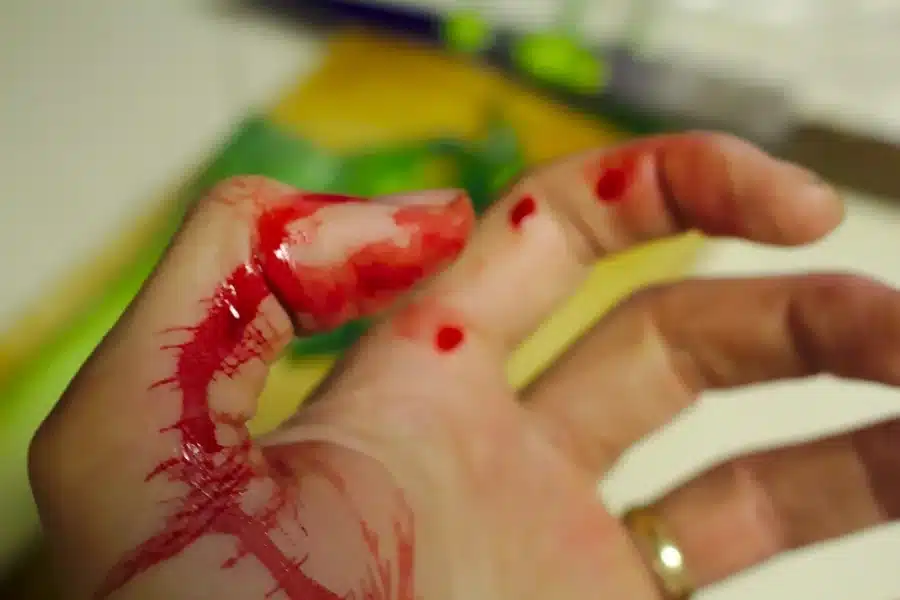
Severe bleeding can happen at any time, whether at home, work, or outdoors. Knowing first aid for severe bleeding can save a life before medical help arrives. Quick and calm action makes a big difference in these moments.
This guide will show you how to handle bleeding emergencies step by step. You will learn how to stay safe, stop bleeding, and care for the injured. Simple actions can truly save lives.
Understanding Severe Bleeding
Severe bleeding occurs when a considerable amount of blood is lost quickly, often from an injury to a major artery or vein. It is crucial to act swiftly because each minute counts. Identifying severe bleeding early on can increase the victim’s chances of survival. Symptoms may include:
- Excessive bleeding that doesn’t stop after a few minutes
- Rapid pulse and low blood pressure
- Pale, cool, and clammy skin
- Confusion or loss of consciousness
If you notice these signs, it is essential to respond immediately. Here’s how to perform effective first aid for severe bleeding.
Step-by-Step Emergency Response
Reacting promptly to severe bleeding can significantly impact the outcome. Follow these steps to provide appropriate care:
1. Assess the Situation
Before you approach the victim, ensure the area is safe for you and the injured person. If there are any hazards, such as traffic or fire, move the individual if possible and safe to do so.
2. Call for Help
Dial emergency services immediately. Provide clear information about the location, incident type, and number of involved persons. Ensure that help is on the way before you start treating the victim.
3. Wear Protective Equipment
If available, use gloves to prevent contact with blood and other bodily fluids, protecting both yourself and the victim.
4. Apply Direct Pressure
Using a clean cloth or bandage, apply firm, direct pressure on bleeding cuts or wounds. Do not remove any objects that are protruding from the wound, as this may worsen the bleeding.
5. Maintain Pressure
If blood soaks through the cloth or bandage, do not take it off. Simply add more layers on top and keep applying pressure. Continuous pressure is key to controlling the bleeding.
6. Elevate the Injury
When possible, elevate the injured area above heart level. This can help lessen blood flow to the injury, but only do this if it does not cause further pain to the victim.
7. Monitor the Victim
Continue to check the patient’s response. Look for signs of shock like confusion or weakness, and keep them as comfortable and calm as possible.
Use a Tourniquet Only as a Last Resort
A tourniquet should only be used if direct pressure does not stop the severe bleeding. Wrap it above the wound, closer to the body. Tighten it until the bleeding stops, but avoid leaving it on too long.
Tourniquets can cause tissue damage if misused. Always note the time you have applied it and inform emergency responders. For more detailed safety training, you can visit MyCPR NOW.
Be Prepared: Mastering First Aid for Severe Bleeding
Knowing first aid for severe bleeding can make the difference between life and death. Quick action and calm thinking help control bleeding before professionals arrive. It’s a vital skill that everyone should learn.
Always remember to stay safe and act with care. Every second counts when someone is losing blood. Your knowledge and confidence can help save a life in an emergency.
Did you find this article helpful? Visit more of our blogs.