Green Living on a Budget: How to Find an Energy-Efficient Home Without Paying Extra
Buying an energy-efficient home can sound like a luxury project involving expensive upgrades. In reality, some of the best-value properties simply use good design and practical features that lower everyday energy use without shouting about it in the listing. A buyers agent brisbane can help narrow the search toward homes that offer sensible orientation, effective insulation, useful shading, efficient heating and cooling, or previous upgrades. The smartest buy is often not the flashiest “green” home, but the one where small details work together to make the house more comfortable and less costly to run.
Look at Orientation Before Appliances
Appliances can be replaced, but the way a home sits on the block is much harder to change. Good orientation can help rooms receive useful daylight, reduce the need for artificial lighting, and limit unwanted heat during the hottest parts of the day.
During an inspection, notice where the main living areas face and how sunlight enters the home. Large windows can be an advantage when they are positioned well, while windows exposed to strong afternoon sun may increase cooling needs.
Verandas, awnings, and eaves can also provide valuable shade. These features are easy to overlook, yet they can make a house feel noticeably more comfortable without requiring expensive mechanical systems.
Insulation Is Hidden, but Worth Asking About
Insulation is not visually exciting, which is probably why buyers sometimes forget to ask about it. Yet roof, ceiling, and wall insulation can have a major effect on how well a home holds a comfortable temperature.
Ask what insulation is already installed and whether any upgrades have been completed. Older homes may have been improved over time, while newer properties may meet stronger efficiency standards.
A home that stays cooler in summer and warmer in winter may need less heating and air conditioning. That can make an ordinary-looking property surprisingly appealing from a long-term cost perspective.
Pay Attention to Windows and Doors
Windows are another place where energy can be lost. Double glazing is useful, but it is not the only feature worth noticing. Well-fitted frames, good seals, external shading, blinds, and sensible window placement can all help.
Stand near doors and windows during the inspection. Check whether frames look worn, whether gaps are visible, and whether doors close properly. Sliding doors and large glass areas deserve extra attention because poor seals can make temperature control harder.
A property does not need the most advanced glazing system to perform well. Sometimes careful maintenance and practical shading already do much of the work.
Check Heating and Cooling Systems Carefully
An old air conditioner or inefficient heater can become an expensive surprise after moving in. Ask about the age, condition, and servicing history of heating and cooling equipment.
Modern split systems, ceiling fans, zoned cooling, or efficient heat pumps can reduce unnecessary energy use. Ceiling fans are especially easy to underestimate because they are inexpensive compared with major upgrades and can help rooms feel more comfortable without running cooling systems at full power.
Also notice whether the property has separate zones. Heating or cooling only the rooms being used is usually more practical than conditioning the entire house.
Solar Is Helpful, but It Is Not Everything
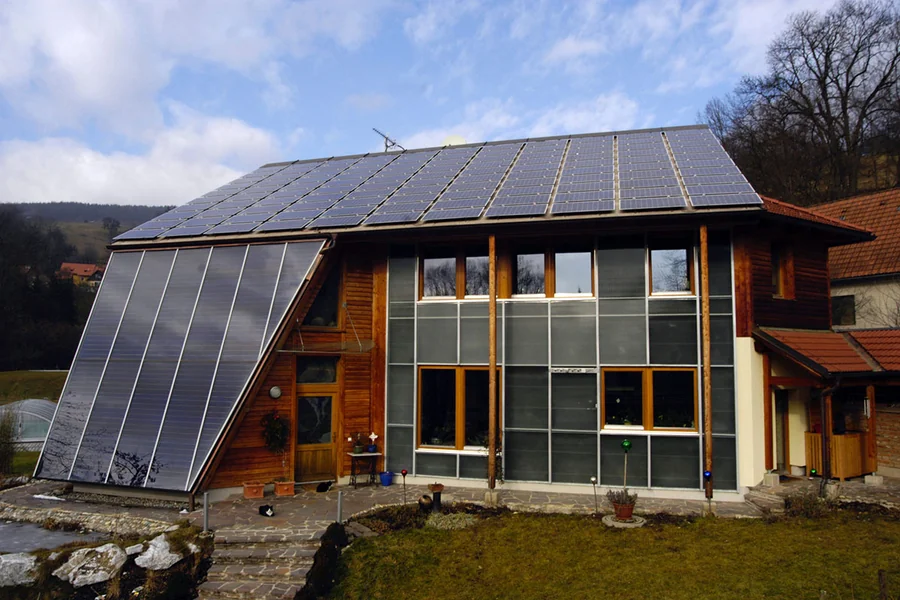
Solar panels can certainly make a property attractive, particularly when the system is in good condition and suits the household’s electricity use. Still, buyers should avoid treating solar as the only sign of an efficient home.
A poorly insulated house with strong afternoon heat can still be expensive to cool, even with panels on the roof. On the other hand, a well-designed home without solar may already use less energy because of shading, airflow, insulation, and efficient appliances.
When solar is installed, ask about the system size, age, inverter, warranties, and any available performance information. Existing equipment is most valuable when it is working properly.
Notice Small Details That Add Up
Some of the best efficiency features are surprisingly ordinary. LED lighting, ceiling fans, draught seals, insulated curtains, external blinds, efficient hot-water systems, and shaded outdoor areas can all reduce energy demand.
Water-saving fixtures can also contribute to lower household costs. A home with a rainwater tank, efficient showerheads, or a sensible garden irrigation setup may offer practical savings without a dramatic purchase-price premium.
Individually, these details may seem modest. Together, they can create a home that feels well considered and easier to manage financially.
Compare Running Costs, Not Just Purchase Price
Two homes with similar prices can cost very different amounts to run. That difference becomes more important when energy prices rise or when a household spends more time at home.
Where possible, ask about past electricity use. Bills vary between households, of course, but the information can still reveal useful patterns.
Consider what upgrades would be needed after purchase too. A slightly more expensive home with insulation, efficient cooling, and good shading may offer better value than a cheaper property that needs several improvements immediately.
Look for Value in Older Homes
Energy-efficient living is not limited to brand-new developments. Older homes can offer excellent value when thoughtful upgrades have already been completed.
A renovated property may have improved insulation, updated windows, modern cooling systems, solar panels, or more efficient hot water. The advantage is that much of the investment has already been made.
During an inspection, ask what was changed and when. Receipts, warranties, and service records can help show whether the upgrades were recent and professionally completed. Sometimes an unassuming older home turns out to be one of the strongest performers on the shortlist.
Choose Comfort as Well as Savings
Energy efficiency is ultimately about more than reducing bills. A home that handles heat well, receives useful natural light, and maintains a comfortable indoor temperature can simply feel better to live in.
The good news is that buyers do not need to chase a perfect eco-home or pay a large premium to find these benefits. Careful observation often reveals value in the details, from roof insulation and shaded windows to ceiling fans, efficient hot water, and sensible orientation.
Approach inspections with a checklist, ask practical questions, and compare the cost of any missing upgrades before deciding. A home that already gets the basics right can offer a more comfortable lifestyle, lower running costs, and the satisfying feeling that greener living does not require stretching the budget.