How Anti-Aging Devices Stimulate Skin Regeneration
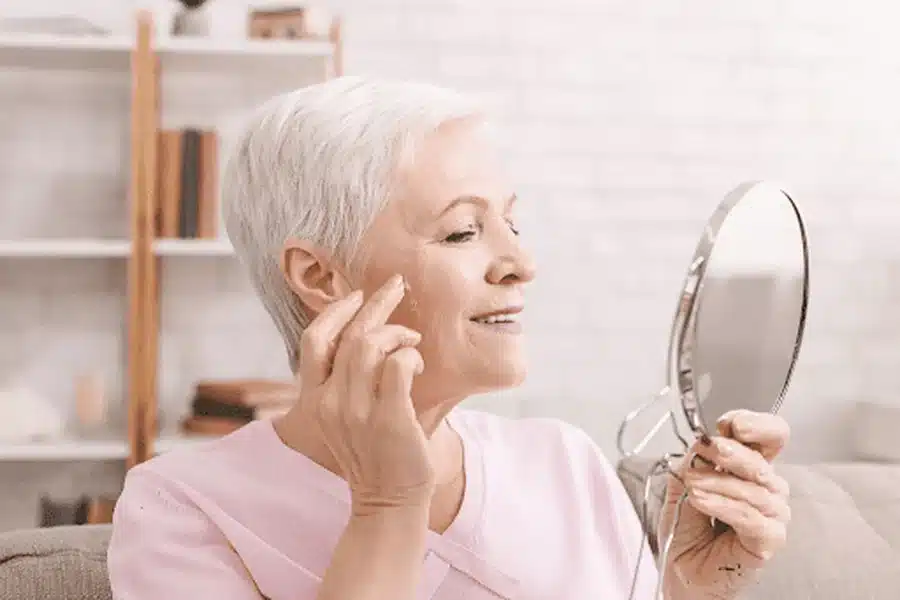
When people hear the phrase skin regeneration, it can sound almost too good to be true. After all, aging is natural. Our skin changes over time, collagen declines, and elasticity fades. So how can a device actually “regenerate” skin?
The truth is, anti-aging devices don’t magically reverse time — but they can stimulate your skin’s natural repair processes. And when those processes are activated consistently, the results can be noticeable: firmer texture, smoother surface, and a healthier overall glow.
To understand how this works, we need to look beneath the surface.
Understanding Skin Regeneration
Your skin is always in the process of renewing itself. Fresh skin cells are continuously formed to replace older, worn-out ones. In your younger years, this cycle moves faster and more efficiently, which is why youthful skin tends to appear firm, smooth, and naturally radiant. As this process slows down over time, many people turn to solutions like an eyelid anti-aging device to help support and stimulate the skin’s natural renewal process, especially in delicate areas around the eyes.
As we age, however:
- Collagen production slows
- Elastin fibers weaken
- Cell turnover decreases
- Blood circulation becomes less efficient
This leads to thinner skin, fine lines, sagging, and a duller complexion.
Skin regeneration simply means stimulating these natural renewal processes—encouraging the skin to behave more like it did when it was younger.
Anti-aging devices aim to support this stimulation in different ways.
The Role of Collagen in Skin Renewal
Collagen is one of the most important proteins in your skin. It provides structure, firmness, and support. Think of it as the scaffolding that keeps everything lifted and tight.
Starting in your mid-20s, collagen production decreases gradually. By your 40s and 50s, the decline becomes more visible.
Many anti-aging devices focus on stimulating collagen production. When collagen increases:
- Skin appears firmer
- Fine lines soften
- Texture improves
- Elasticity increases
The goal isn’t overnight transformation — it’s gradual rebuilding.
How Different Anti-Aging Technologies Work
There isn’t just one type of anti-aging device. Different technologies stimulate skin regeneration in different ways.
1. Radiofrequency (RF) Technology
Radiofrequency devices use controlled heat to penetrate the deeper layers of the skin.
Here’s what happens:
- Gentle heat warms the dermis (the deeper skin layer).
- This heat stimulates fibroblasts — the cells responsible for producing collagen.
- The body responds by increasing collagen production over time.
The result? Gradual tightening and improved firmness.
The key word here is “gradual.” Collagen rebuilding takes weeks, sometimes months. But consistent use can lead to smoother, tighter-looking skin.
2. Microcurrent Stimulation
Microcurrent devices use low-level electrical currents to stimulate facial muscles and skin tissue.
These small electrical pulses:
- Increase blood flow
- Improve circulation
- Support muscle tone
- Encourage cellular activity
Improved circulation delivers oxygen and nutrients to skin cells more efficiently, supporting natural repair processes.
Some users describe the effect as a subtle “workout” for the face—strengthening underlying structures that support the skin.
3. LED Light Therapy
LED devices use specific wavelengths of light to influence skin cells.
For example:
- Red light is often used to stimulate collagen production.
- Blue light targets acne-causing bacteria.
- Near-infrared light may support deeper tissue repair.
The light penetrates the skin and interacts with cells to encourage energy production at a cellular level. When cells function more efficiently, skin renewal improves.
4. Thermal and Heat-Based Devices
Some anti-aging tools rely simply on warmth and massage.
Heat increases circulation, while massage
- Encourages lymphatic drainage
- Reduces puffiness
- Improves skin tone
- Supports detoxification
While the effects may be more temporary compared to collagen-stimulating technologies, improved circulation plays a meaningful role in healthy-looking skin.
Why Stimulation Works
The body responds to controlled stress.
When skin experiences gentle, controlled stimulation — whether from heat, light, or electrical pulses — it activates its repair mechanisms.
This process is sometimes called “controlled micro-injury.” It doesn’t mean visible damage. Instead, it refers to triggering the skin’s healing response without harming the surface.
When the body senses stimulation:
- Collagen production increases
- Elastin production may improve
- Blood flow rises
- Skin cells renew more efficiently
Over time, these small improvements compound.
What Regeneration Does Not Mean
It’s important to clarify something: skin regeneration does not mean permanent reversal of aging.
Anti-aging devices:
- Do not stop aging
- Do not permanently restore collagen to teenage levels
- Do not replace surgical procedures in advanced cases
Instead, they support maintenance, improvement, and prevention.
Think of it as optimizing your skin’s natural abilities—not replacing them.
Who Benefits Most?
Anti-aging devices tend to be most effective for:
- Early signs of aging
- Mild sagging
- Fine lines
- Dull skin
- Loss of firmness
Younger skin often responds faster because it still produces collagen more readily. However, even mature skin can benefit from improved circulation and stimulation.
Consistency plays a major role in outcomes.
The Importance of Patience
One of the biggest misconceptions about anti-aging devices is expecting instant results.
While you might see temporary tightening after a session, true regeneration takes time.
Most collagen-building processes require the following:
- 4–8 weeks of regular use
- Consistency
- Proper technique
Skin renewal cycles naturally take about a month, so changes happen gradually.
Patience is part of the process.
Supporting Skin Regeneration From the Inside
Devices work best when paired with healthy habits.
To maximize results:
- Stay hydrated
- Protect skin from sun exposure
- Eat nutrient-rich foods
- Avoid smoking
- Get enough sleep
Skin regeneration is a full-body process. Devices stimulate from the outside, but internal health supports long-term improvement.
Final Thoughts
Anti-aging devices don’t rely on magic — they rely on biology.
By stimulating collagen production, increasing circulation, and activating the skin’s repair response, these tools encourage gradual skin regeneration. The improvements are typically subtle but cumulative: firmer texture, improved tone, and smoother appearance.
The key is understanding what they can realistically achieve. They support your skin’s natural processes rather than override them.
Aging is inevitable. But supporting your skin’s ability to renew itself? That’s entirely within your control.