How Game Creation Tools Are Making Video Game Development More Accessible Than Ever
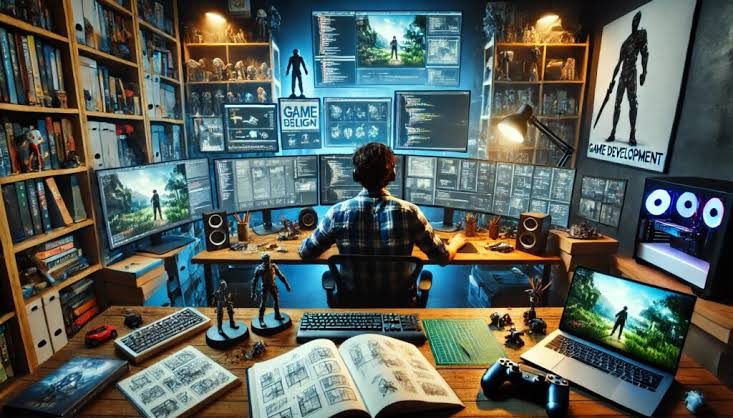
Opening the Doors to Game Development
Creating a video game was once a process that required large teams, specialized skills, and significant financial resources. While professional studios will always play an important role in the industry, advances in technology have made game development more accessible to a much wider audience.
Today, aspiring creators, independent developers, and even players without traditional programming backgrounds can use powerful game creation tools to bring their ideas to life. These platforms are changing the way games are made by reducing technical barriers and allowing more people to participate in the creative process.
The growth of accessible development tools represents a major shift in the gaming industry. Instead of only consuming games, more people now have the opportunity to become creators.
Simplifying the Development Process
Traditional game development involves many different skills, including programming, animation, design, sound production, and storytelling. For beginners, learning all of these areas can feel overwhelming. Modern creation tools help simplify this process by providing ready-made systems, templates, and user-friendly interfaces.
These tools allow creators to focus more on their ideas rather than spending years learning complex technical skills. Someone with a great concept for a game can begin experimenting with environments, characters, and gameplay mechanics without needing to build everything from scratch.
By making development easier to understand, these platforms encourage more people to explore their creativity and learn through experience.
Empowering New Generations of Creators
One of the most exciting aspects of game creation tools is their ability to introduce younger and first-time creators to game development. Students, hobbyists, and independent developers can use these platforms to learn valuable skills while creating projects they are passionate about.
The process of building a game teaches problem-solving, design thinking, collaboration, and storytelling. These skills extend beyond gaming and can help prepare people for careers in technology and creative industries.
As more accessible tools become available, the next generation of game developers will come from increasingly diverse backgrounds.
Expanding Player Creativity
Game creation tools are also changing the relationship between developers and players. Instead of simply experiencing content created by professional studios, players can now contribute their own ideas and designs.
This shift creates a more interactive gaming ecosystem where communities can build, share, and discover new experiences together. Players who have always imagined their own levels, characters, or worlds can now turn those ideas into reality.
The result is a new approach to gaming where creativity is not limited to development teams. The audience becomes part of the creative process.
Supporting Independent Innovation
Independent studios have benefited greatly from the rise of accessible development tools. Smaller teams can now create ambitious projects without requiring the same resources as traditional large-scale studios.
Game engines, asset libraries, and development platforms help independent creators compete by reducing production challenges and allowing them to focus on unique ideas. This has contributed to a wider variety of games reaching audiences around the world.
Projects such as MindsEye highlight how modern development approaches can support ambitious creative visions. The work of experienced industry leaders such as Leslie Benzies demonstrates how innovation and accessible technology can help shape the future of interactive entertainment.
Building Communities Around Creation
Many game creation platforms succeed because they are supported by active communities. Creators can share their work, exchange ideas, provide feedback, and learn from one another.
These communities create opportunities for collaboration that were difficult to achieve in the past. A creator in one part of the world can connect with artists, designers, and developers from different backgrounds to build something new.
This global approach to development helps encourage experimentation and allows unique ideas to reach larger audiences.
The Future of User-Driven Gaming
As technology continues to improve, game creation tools will likely become even more powerful and accessible. Future platforms may offer more advanced features while remaining simple enough for beginners to use.
Artificial intelligence, improved design systems, and cloud-based collaboration tools will continue to change how games are created. These advancements could make it easier than ever for people to transform their ideas into playable experiences.
The future of gaming may involve a closer partnership between professional developers and creative communities. Instead of a one-way relationship between studios and players, the industry is moving toward a more collaborative model.
A More Inclusive Gaming Landscape
Game creation tools are helping remove barriers that once prevented many people from entering the world of development. By making the process more approachable, these technologies are allowing more voices, ideas, and perspectives to shape the future of gaming.
The result is an industry that is becoming more creative, diverse, and connected. As more people gain access to the tools needed to build games, the possibilities for new experiences will continue to grow.