Reducing Emissions in Cement Manufacturing: What’s Working Today
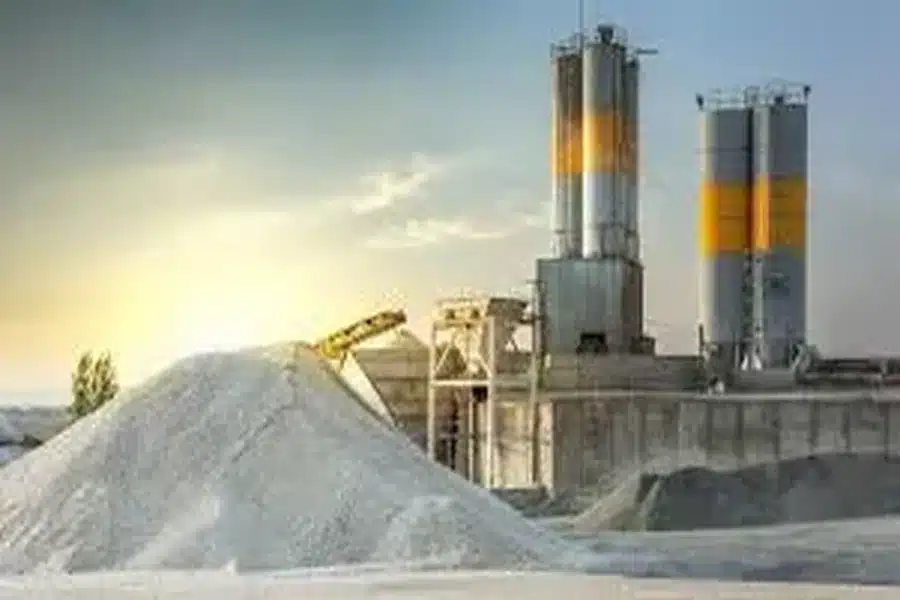
Cement makes our roads, bridges, and skylines possible, yet it pumps roughly seven percent of the world’s CO₂ into the air. The International Energy Agency notes that demand keeps climbing, so the industry’s decarbonization sprint must outrun its growth. Fortunately, practical solutions—already on plant floors—are chipping away at the carbon bill while protecting performance and profit.
Clinker Substitution With Low-Carbon Binders
Traditional Portland clinker is the most carbon-intensive ingredient in cement because limestone must be heated to around 1,450 °C, releasing both process emissions and fuel-combustion CO₂. The quickest lever, therefore, is simply to use less of it. Plants are ramping up supplementary cementitious materials (SCMs) such as fly ash, calcined clay, slag, and finely ground limestone. These “extenders” react hydraulically or pozzolanically, delivering comparable strength with a smaller carbon footprint.
Modern quality-control systems help balance early-age strength loss by adjusting particle size distribution, activator blends, and hydration profiles. In markets where fly ash supplies are waning, research into locally sourced natural pozzolans and engineered calcined clays keeps momentum alive, expanding the playbook for clinker substitution without sacrificing durability or workability.
Alternative Fuels Replace Fossil Heat
Kilns have historically relied on coal and petcoke—cheap, energy-dense, and dirty. Switching to low-carbon thermal inputs slashes both Scope 1 and Scope 2 emissions. Many European and Asian plants already run on over 60 percent biomass and refuse-derived fuel blends, turning agricultural waste, non-recyclable plastics, and even old tires into high-temperature energy.
Pre-processing lines sort, shred, and homogenize these feeds to ensure calorific consistency and safe burn profiles. On the frontier, green hydrogen trials are underway for peak-temperature boosting, while high-megawatt electric plasma torches show promise where renewable electricity is abundant. Each percentage point of fossil displacement might save tens of thousands of tonnes of CO₂ annually, proving that trash really can fuel tomorrow’s infrastructure.
Process Innovation and Waste-Heat Recovery
Beyond chemistry and fuels, incremental efficiency gains across the process chain punch far above their weight. Modern pre-calciner kilns, equipped with staged combustion and high-efficiency cyclones, allow more feed to decarbonate before it reaches the sintering zone, trimming overall fuel demand. Digital twin models and artificial-intelligence optimizers finely tune fan speeds, secondary air flows, and burner settings in real time, squeezing every joule of value from each BTU.
Meanwhile, waste-heat recovery (WHR) units capture 300–400 °C exhaust gases to generate on-site electricity via organic Rankine cycles or steam turbines. One medium-sized plant can self-produce up to 30 percent of its power, shielding profitability from volatile grids while cutting indirect emissions. Pair WHR with high-efficiency motors and variable-frequency drives, and the energy savings compound year after year.
Carbon Capture and Efficient Finish Operations
Even with all the above, calcination releases unavoidable CO₂—so capture technologies are moving from lab benches into full-scale demonstrations. Oxy-fuel combustion, amine scrubbing, and calcium looping pilots have already proven they can trap 90 percent of a kiln’s process emissions for geological storage or use in green fuels.
Integrating capture units requires meticulous heat integration, yet engineers are learning to recycle freed energy back into raw-meal pre-heating or, critically, into the finish mill where milling and grinding account for a surprising slice of a plant’s electricity bill. Coupled with high-pressure roller presses and third-generation separators, these upgraded finish circuits cut kilowatt-hours per tonne while raising surface area control, ensuring that the captured-carbon cement still meets stringent performance specs.
Conclusion
No single silver bullet will decarbonize cement, but the arsenal of proven tactics—from clinker-lean recipes to bio-fuels, smarter kilns, WHR, and carbon capture—shows real progress today. Each plant’s roadmap will mix and match these tools based on local materials, energy markets, and regulations, yet the destination is shared: a resilient built environment that no longer trades concrete strength for atmospheric weakness. The sooner these working solutions scale, the faster the world can build the low-carbon future it needs.