Technology and Human Life: A Growing Connection
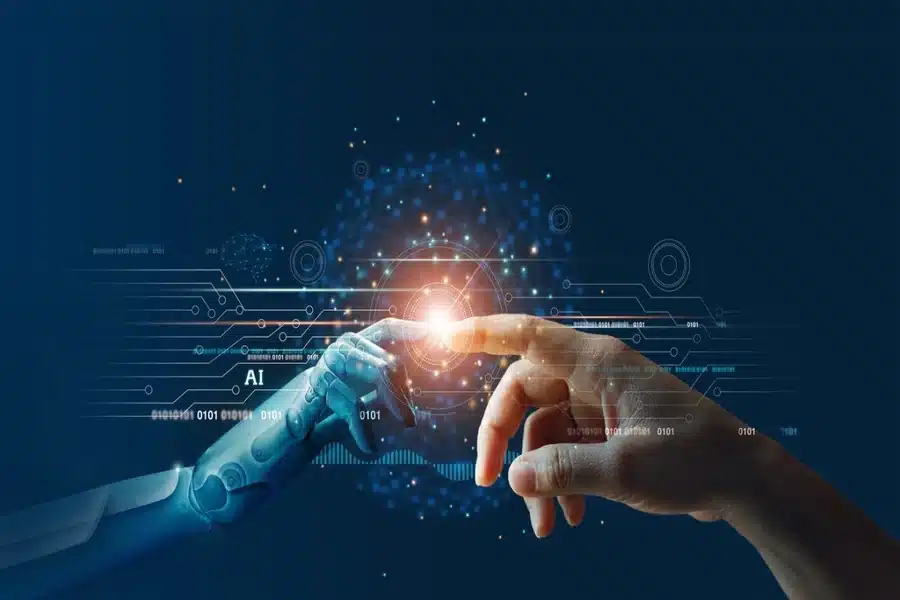
Technology and human life are now deeply connected in ways that were once hard to imagine. From the moment we wake up to the time we go to bed, technology plays a role in how we communicate, work, learn, and even relax. It has quietly become a part of our routines, influencing decisions and shaping lifestyles across the globe. This connection continues to grow stronger as innovations evolve, bringing both convenience and challenges into everyday life.
The Role of Technology in Daily Life
Technology has transformed ordinary daily activities into faster and more efficient processes. Simple tasks like setting alarms, checking the weather, or managing schedules are now handled through smartphones and smart devices. These tools reduce effort and save time, allowing people to focus on more meaningful activities.
Communication has also become instant and global. Messages, video calls, and emails connect people across continents within seconds. Families stay in touch, businesses operate across borders, and friendships grow without geographical limits. Social media platforms further enhance this connection by allowing people to share experiences and stay updated with others’ lives.
Even household chores have changed. Smart appliances, automation systems, and digital assistants simplify tasks like cooking, cleaning, and managing home security. This level of convenience reflects how technology and human life are becoming inseparable in modern living.
How Technology Is Changing Work and Education
The workplace has undergone a major shift due to technological advancements. Remote work, digital collaboration tools, and cloud computing have made it possible to work from almost anywhere. This flexibility has improved work-life balance for many individuals while also increasing productivity. For more information visit techpora.
Automation and artificial intelligence are also redefining job roles. Repetitive tasks are increasingly handled by machines, allowing humans to focus on creative and strategic responsibilities. However, this shift also requires workers to adapt by learning new skills and staying updated with changing demands.
Education has experienced a similar transformation. Online learning platforms, virtual classrooms, and digital resources have made education more accessible than ever before. Students can now learn at their own pace, access global knowledge, and develop skills beyond traditional classroom boundaries.
Teachers are also benefiting from technology by using interactive tools, multimedia content, and data-driven insights to improve teaching methods. This evolving environment highlights how technology and human life are intertwined in shaping the future of learning and work.
The Impact on Health and Well-Being
Technology has brought significant improvements to healthcare and personal well-being. Medical advancements, digital health records, and telemedicine have made healthcare more efficient and accessible. Patients can consult doctors remotely, monitor their health through wearable devices, and receive timely care without long delays.
Fitness and wellness have also been influenced by technology. Apps that track physical activity, sleep patterns, and nutrition help individuals maintain healthier lifestyles. These tools encourage awareness and motivate people to take better care of themselves.
However, this connection is not without its drawbacks. Excessive screen time, reduced physical activity, and digital addiction can negatively affect mental and physical health. Balancing technology use is essential to ensure that it enhances well-being rather than harming it.
Social Relationships in a Digital World
Technology has reshaped how people build and maintain relationships. Online platforms allow individuals to meet new people, reconnect with old friends, and maintain long-distance relationships. Communication is faster and more frequent, making it easier to stay connected.
At the same time, digital interactions can sometimes replace face-to-face communication. This shift may lead to weaker emotional connections or misunderstandings. The lack of physical presence can affect how people express empathy and build deeper relationships.
There is also the issue of social comparison. Constant exposure to curated online content can create unrealistic expectations and impact self-esteem. It becomes important for individuals to use technology mindfully and maintain a healthy balance between online and offline interactions.
The Role of Technology in Entertainment and Creativity
Entertainment has evolved dramatically with the rise of technology. Streaming services, online gaming, and digital content platforms offer endless options for leisure. People can watch movies, listen to music, or play games anytime and anywhere.
Creativity has also found new avenues through technology. Artists, writers, and creators can share their work with global audiences without traditional barriers. Digital tools allow for new forms of expression, from graphic design to video production and beyond.
This accessibility has empowered individuals to turn hobbies into careers and build communities around shared interests. Technology has not only changed how people consume content but also how they create and share it.
Challenges and Ethical Considerations
While the connection between technology and human life offers many benefits, it also raises important challenges. Privacy concerns are one of the biggest issues. With vast amounts of personal data being collected, protecting user information has become a critical responsibility for companies and governments.
Cybersecurity threats are another growing concern. As more aspects of life move online, the risk of data breaches, identity theft, and cyberattacks increases. Ensuring safe digital environments is essential for maintaining trust in technology.
There are also ethical questions surrounding artificial intelligence and automation. Decisions made by machines can have significant consequences, making it important to ensure fairness, transparency, and accountability in technological systems.
Additionally, the digital divide remains a global issue. Not everyone has equal access to technology, creating gaps in opportunities and resources. Bridging this gap is crucial to ensure that the benefits of technology are shared more equally.
Final Thought
Technology and human life are now closely connected, shaping how we live, work, and interact with the world. This relationship continues to grow as new innovations emerge, offering both opportunities and challenges. While technology brings convenience, efficiency, and progress, it also requires careful use and thoughtful consideration.
The key lies in balance. By using technology responsibly and staying aware of its impact, individuals can enjoy its benefits without losing the human touch that defines meaningful experiences. As this connection evolves, it is up to us to shape a future where technology enhances life while preserving what makes us truly human.