The 5 Things to Look for Before Ordering a Crystal Award
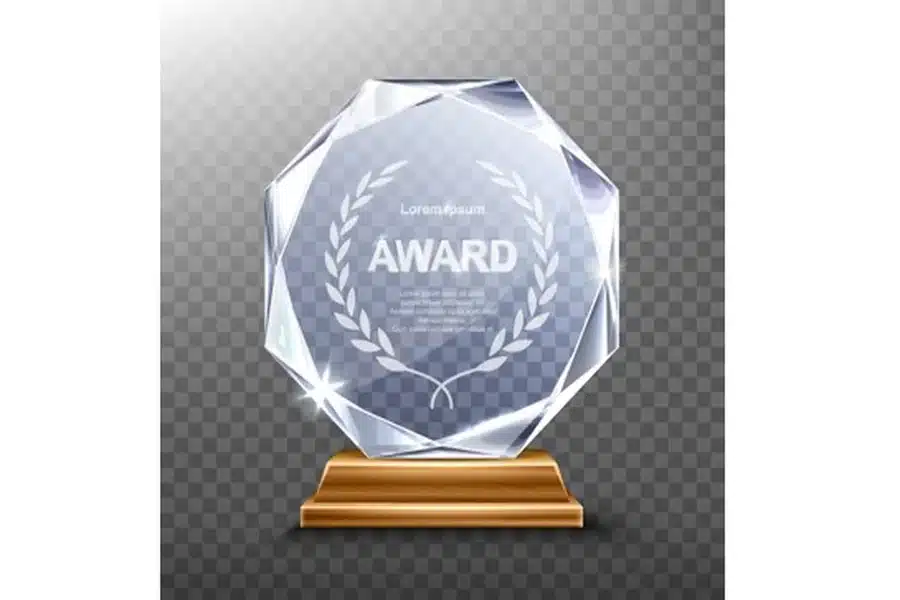
A good crystal award starts with high-quality material. The crystal should be free of bubbles, cloudiness, or visible flaws. A flawless piece signals quality before any engraving is added.
Buyers should also compare options before placing an order. Many companies look at crystal awards from a few suppliers to compare clarity, weight, and finish. This step helps avoid a rushed decision on a piece meant to last.
1. Crystal Quality and Clarity
Not all crystals are the same. Higher-grade crystal has a brighter shine and a heavier feel. Lower-grade crystals often look dull or have small air bubbles inside.
Hold the piece up to light if possible. Clear, sharp light refraction is a good sign. Cloudy or uneven light usually points to lower quality.
Weight is another simple test. A heavier piece often signals denser crystal. Lightweight pieces may use thinner material to cut costs.
2. Size and Shape
The size should match the occasion and the space where it will sit. A small desktop award suits everyday recognition. A larger piece works better for major milestones or executive recognition.
Think about where the award will be displayed. A crowded desk may call for a smaller shape. An open shelf can support a taller, more detailed design.
Shape also matters for the message being sent. Consider these common options:
- Classic block shapes for a traditional look
- Tower or obelisk shapes for a modern feel
- Curved or wave designs for a softer style
- Custom shapes for branded or themed awards
3. Engraving and Personalization Options
Engraving turns a generic piece into a meaningful one. Most crystal pieces support laser engraving, sandblast etching, or color printing. Each method gives a different look and price point.
Laser engraving creates fine detail and works well for text and logos. Color printing adds full images or brand colors. Sandblasting gives a frosted, textured finish that stands out on clear crystal.
Ask for a proof before final production. A proof shows how the text and logo will look. This step catches errors early.
4. Base and Display Style
The base affects both stability and style. A weighted base keeps the award steady on a desk or shelf. A lighted base can add a dramatic effect for special events.
Some bases also include a small plate for extra text, such as a date or short message. It adds detail without changing the main crystal piece.
Crystal Awards vs. Glass Awards
- Crystal has more weight and a higher-end feel
- Glass is lighter and usually costs less
- Crystal refracts light more clearly than glass
- Glass scratches more easily over time
Choosing between the two often comes down to budget and the importance of the occasion.
5. Lead Time and Delivery
Custom engraving takes time to complete correctly. Rush orders are often possible but may cost more. Planning ahead avoids last-minute stress before an event.
Ask the supplier for a realistic timeline. Shipping time should be added on top of production time. A short buffer helps cover unexpected delays.
Common mistakes to avoid include:
- Ordering too close to the event date
- Skipping a proof before final engraving
- Choosing a size that does not fit the display space
- Ignoring how the piece will be packaged for shipping
- Forgetting to confirm spelling and titles before production
Key Takeaways
- High-quality crystal should be clear, heavy, and free of flaws.
- Size and shape should match the occasion and display space.
- The engraving method affects both the look and the price.
- A base style adds stability and can enhance presentation.
- Crystal generally offers a higher-end feel than glass.
- Lead time matters for custom engraving and rush orders.
- Proofing details before production helps avoid costly mistakes.