The Journey to Becoming a Swim Instructor: Skills and Pathways

Embarking on the path to becoming a swim instructor is a fulfilling career choice for those passionate about water safety and helping others. The role not only requires a deep understanding of swimming techniques but also encompasses teaching and communication skills, safety awareness, and a commitment to continuous learning. Whether you are considering this pursuit or are already on the path, comprehending the essential steps can guide you toward a successful teaching career.
Understanding how to become a swim instructor involves several key stages, each critical to cultivating the necessary expertise.
Understanding the Basics
Before embarking on the path to instructing others, aspirants must grasp the foundational skills of swimming. Mastery over various strokes, such as freestyle, backstroke, breaststroke, and butterfly, is imperative. Proficiency in swimming is not solely about performing these styles but also about understanding the mechanics involved. Each stroke has distinct movements, breathing techniques, and rhythm, and instructors need to convey this knowledge clearly to their students.
Certification and Qualifications
Certifications are indispensable for anyone who wishes to instruct swimming. They assure students and parents that the instructor is well-versed in swimming pedagogy and safety protocols. Aspiring instructors should pursue courses offered by recognised swimming institutions. These programmes typically cover essential topics such as teaching methods, water safety, rescue skills, and child psychology. Lifeguard certification is also an advantageous addition, as it underscores a comprehensive understanding of water safety.
Essential Skills and Qualities
While technical expertise is fundamental, soft skills are equally important for swim instructors. Patience, empathy, and effective communication are vital, especially when dealing with young learners or beginners. An instructor must be able to identify and accommodate various learning styles and paces, fostering an environment where students feel safe and encouraged.
Additionally, instructors should possess strong observational skills to identify and correct improper techniques early. This not only enhances student performance but also prevents the development of bad habits that could lead to injury. Being attentive and adaptable enables instructors to tailor their teaching strategies to individual needs, thereby maximising student progress.
Working with Diverse Groups
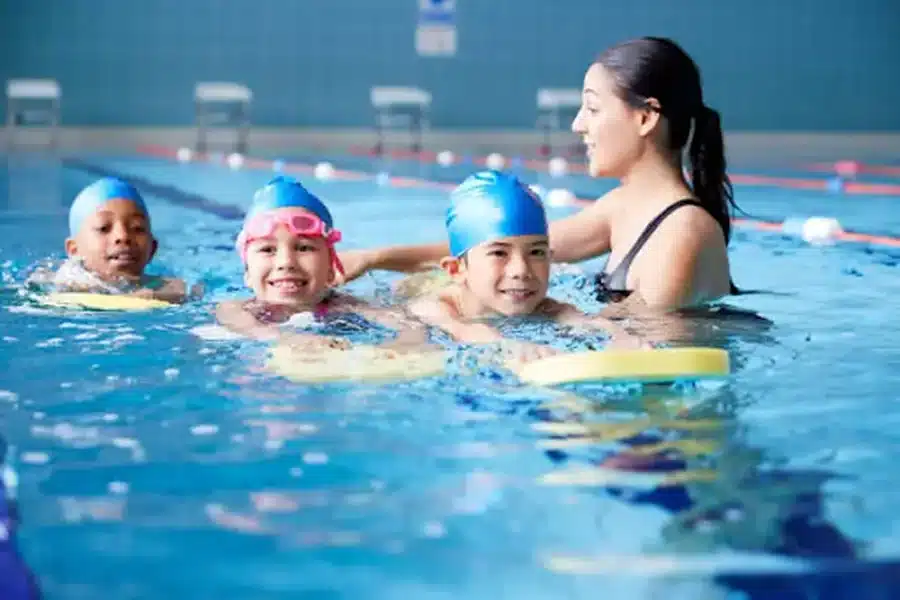
Swim instructors often encounter a diverse range of students, including children, adults, beginners, and those with special needs. To effectively address these different groups, instructors should be equipped with strategies that cater to varied learning abilities and preferences. When instructing children, for example, an instructor might use playful games to teach basic skills, whereas adults might benefit more from a structured, skills-based approach.
Teaching individuals with special needs requires additional training and sensitivity. Instructors should be familiar with adaptive techniques and maintain a flexible attitude, adapting lessons to accommodate individual challenges and preferences. Developing an inclusive approach not only broadens an instructor’s impact but also enriches their teaching experience.
Building Experience and Expertise
Consistent practice and experience are crucial in honing one’s abilities as a swim instructor. Gaining varied teaching experience, such as volunteering at community pools or assisting senior instructors, provides invaluable exposure to different teaching scenarios and student dynamics. This hands-on experience cultivates confidence and refines instructional methods.
Furthermore, continuing education is vital in an ever-evolving field. Staying updated with the latest swimming techniques and teaching methods through workshops and seminars can significantly enhance an instructor’s competence and appeal. Networking with other professionals is also beneficial, offering insights and fostering collaborations.
Career Opportunities
The demand for qualified swim instructors continues to grow globally due to a heightened emphasis on water safety and fitness. Instructors may find employment in various settings, including public and private pools, schools, sports complexes, and health clubs. Some choose the path of self-employment, offering private lessons or establishing their own swim schools.
The career of a swim instructor is not only fulfilling but also offers ample room for professional growth. With the right qualifications and experience, instructors may advance to roles such as senior instructor, swim programme coordinator, or aquatics manager. These positions often involve overseeing a team of instructors, designing curriculum, and managing pool safety protocols.
Embracing the Lifestyle
Beyond the professional aspects, becoming a swim instructor offers a unique lifestyle. The work often involves flexible hours and the opportunity to work in various environments. For many, the most rewarding aspect is the chance to impart life-saving skills and instil confidence in students.
By committing to this challenging yet rewarding path, aspiring swim instructors can look forward to a vibrant career dedicated to fostering safety, fitness, and enjoyment in the water.
In conclusion, becoming a swim instructor is a meaningful journey that blends technical mastery with strong interpersonal skills and a commitment to safety. It requires dedication to learning, obtaining the right certifications, and continuously refining teaching methods through experience. By developing both confidence in the water and the ability to guide others effectively, aspiring instructors can build a rewarding career that makes a lasting impact. Ultimately, the role goes beyond teaching swimming techniques; it is about empowering individuals with essential life skills and fostering a lifelong appreciation for the water.