Top 10 Barrel Cleaning Mistakes That Can Reduce Accuracy
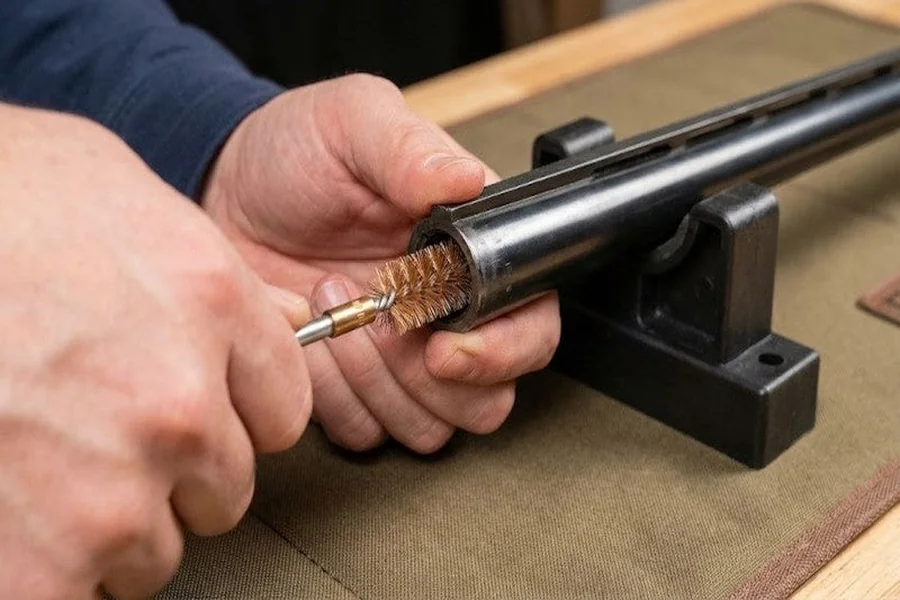
Accuracy problems are not always caused by ammunition, optics, or the firearm itself. Improper cleaning and maintenance can also affect a firearm’s performance, especially when the wrong tools are used or cleaning procedures are performed incorrectly. Over time, improper maintenance can damage critical surfaces such as the bore or muzzle crown and contribute to reduced accuracy.
That is why proper firearm maintenance is an important part of responsible gun ownership. The website https://www.gunnix.us/ is one of the few that has taken a systematic approach to selling cleaning supplies: instead of a random assortment of accessories, it offers a comprehensive line of tools designed for specific tasks and calibers. But even the right tool can cause problems if it is used incorrectly. Let’s look at the cleaning mistakes that can affect accuracy and how to avoid them.
Safety first: Always make sure the firearm is unloaded before cleaning. Remove all ammunition from the work area and follow the cleaning and maintenance instructions provided by the firearm manufacturer.
Why Poor Cleaning Can Be More Harmful Than a Dirty Barrel
A dirty bore can affect accuracy, but improper cleaning can create additional problems. The bore and rifling are precision-machined surfaces, and damage to them can affect how consistently a bullet travels through the barrel and exits the muzzle.
The muzzle crown is particularly important because it surrounds the bullet’s exit point. Damage to the crown can disrupt the bullet as it leaves the barrel and may negatively affect accuracy.
When accuracy changes, shooters may look for the cause in the ammunition, sights, optics, or other components. In some cases, however, the problem can be related to maintenance practices, such as using an unsuitable cleaning rod, applying excessive force, or allowing a cleaning rod to contact the muzzle crown.
Improper maintenance can also create other problems:
- Excess oil or grease left in the bore can create an obstruction and should be removed before firing.
- Residue left in the chamber or bore can interfere with proper firearm operation.
- Copper fouling can accumulate on the bore surface and, depending on the firearm and ammunition, may affect consistency and accuracy.
- Using inappropriate tools or excessive force can damage the bore, rifling, or muzzle crown.
These problems can develop gradually, making them easy to mistake for normal wear or changes in ammunition performance.
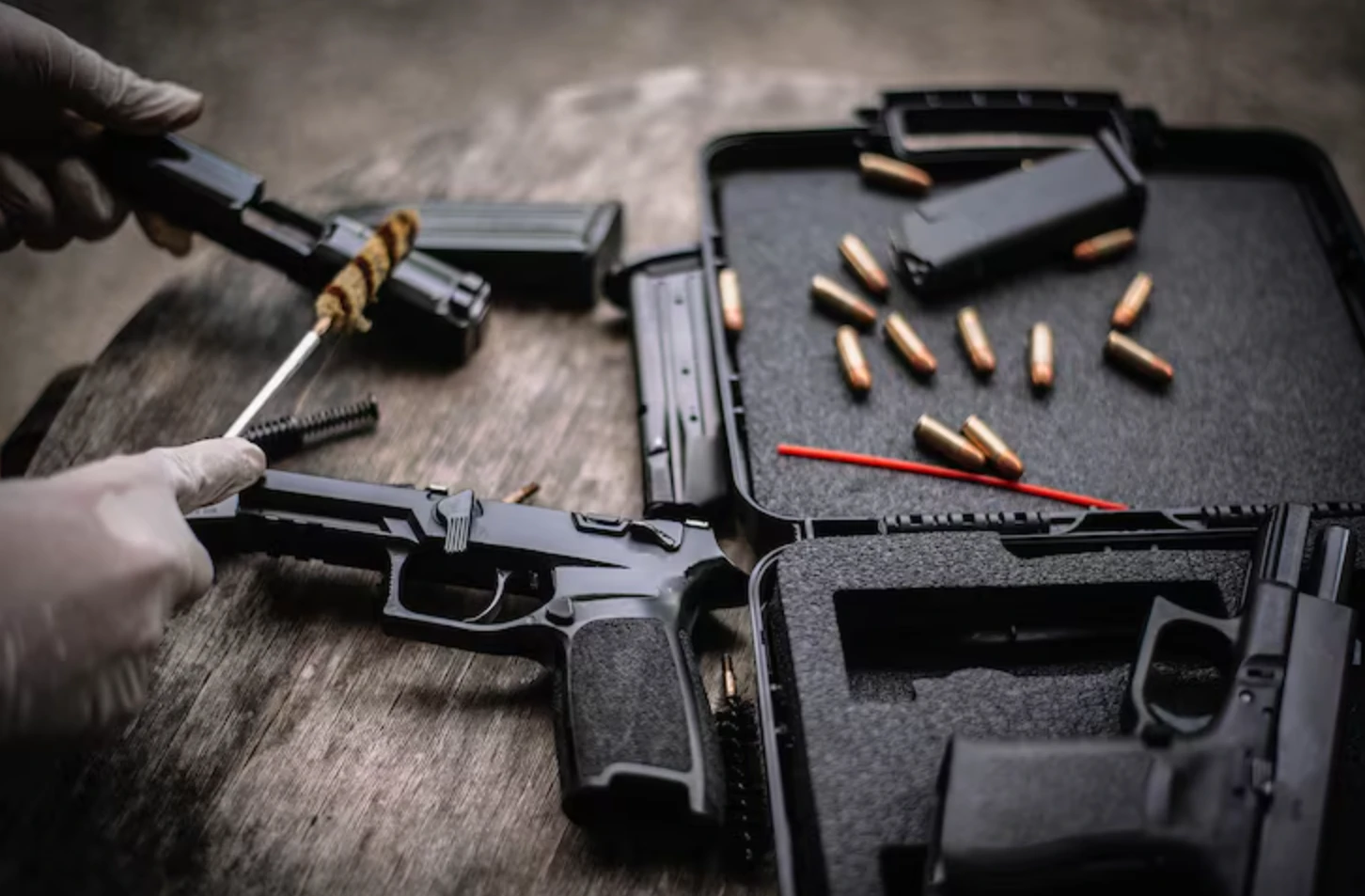
10 Mistakes That Can Reduce Accuracy
Here are some of the most common cleaning mistakes made by shooters of different experience levels. Some are easy to overlook, while others result from common misconceptions about firearm maintenance.
1. Using an Unsuitable cleaning rod
The material and design of a cleaning rod matter, but the biggest concern is whether the rod is properly suited to the firearm and used correctly.
A cleaning rod that is poorly aligned or used without proper guidance can contact the bore or muzzle crown and potentially cause damage. Brass or other appropriate materials are often preferred because they are less likely to damage the firearm than harder materials when accidental contact occurs.
The rod should also be the correct diameter and length for the firearm. Avoid forcing a rod through the bore or using excessive pressure to remove stubborn fouling.
2. Cleaning Only From the Muzzle
Cleaning from the muzzle can increase the risk of damaging the muzzle crown if the cleaning rod is not properly guided.
When the firearm’s design allows it, cleaning from the chamber or breech end can help reduce this risk. If cleaning must be performed from the muzzle, use the appropriate rod guide or muzzle guard and make sure the cleaning rod does not scrape against the crown.
Always follow the cleaning procedure recommended for the specific firearm.
3. Failing to Protect the Muzzle Crown
The muzzle crown is one of the most important surfaces affecting accuracy, so it should be protected during cleaning.
Repeated contact between a cleaning rod and the crown can eventually damage the surface and potentially affect accuracy. A properly fitted rod guide or muzzle guard helps keep the cleaning rod centered and prevents unnecessary contact with the crown.
This is a small precaution, but it can help prevent damage that is much more difficult to correct later.
4. Using a Brush That Is the Wrong Size for the Caliber
A bore brush should be properly matched to the firearm’s caliber and bore dimensions.
A brush that is too small may not make adequate contact with the bore surface and may leave fouling behind. A brush that is too large can be difficult to insert and may require unnecessary force.
Use a brush designed for the specific caliber rather than relying on an approximate fit. The same principle applies to jags, patches, and other cleaning accessories.
5. Reversing the Brush Inside the Bore
Many shooters automatically push a bore brush forward and then pull it back without allowing it to clear the muzzle. Repeatedly reversing a brush while it is still engaged with the rifling can put unnecessary stress on the bristles and the brush itself.
Whenever the firearm’s design and cleaning instructions allow, push the brush completely through the bore before withdrawing it. Once the brush has cleared the muzzle, bring it back to the starting position for the next pass.
Following the manufacturer’s recommended cleaning procedure is more important than applying a single universal rule to every firearm.
6. Skipping Chamber Cleaning on AR-15 Platforms
The chamber and bore are different areas and can accumulate different types of residue. On AR-15-style firearms, the chamber requires attention in addition to the rifled bore.
A bore brush is not designed to properly clean all of the chamber surfaces. Dedicated chamber brushes are commonly used to reach areas that a standard bore brush cannot clean effectively.
Regularly cleaning the chamber according to the firearm manufacturer’s recommendations can help maintain reliable operation and prevent residue from accumulating in areas that are easy to overlook.
7. Leaving Excess Oil in the Bore
More lubricant does not necessarily mean better protection.
Excess oil or grease left inside the bore can create an obstruction. Before firing, the bore should be clear of excess lubricant and other debris.
For firearms being prepared for storage, use the type and amount of lubricant recommended by the manufacturer. When the firearm is returned to service, make sure the bore is properly cleared before firing.
8. Ignoring Copper Fouling
Powder residue is often easy to see and is commonly removed during routine cleaning. Copper fouling can be less obvious, particularly inside a rifled bore.
As copper accumulates on the bore surface, it can affect the consistency of the bullet’s interaction with the rifling and may contribute to changes in accuracy.
When copper removal is necessary, use a dedicated copper-removing solvent and follow the product manufacturer’s instructions. How often copper fouling needs to be removed depends on factors such as the firearm, ammunition, and amount of use, so there is no universal schedule that applies to every barrel.
9. Reusing the Same Patch Throughout the Cleaning Process
A cleaning patch is a consumable item. Its job is to pick up fouling, solvent, and other residue and carry it out of the bore.
Using the same dirty patch repeatedly can put some of the residue you have already removed back into the bore. For thorough cleaning, use fresh patches as needed: solvent-wetted patches for cleaning, dry patches to remove remaining solvent and fouling, and a lightly oiled patch when preparing the firearm for storage, following the manufacturer’s recommendations.
The goal is simple: each pass should remove residue rather than redistribute it.
10. Cleaning Without a Consistent Routine
There is no single cleaning schedule that works for every firearm.
Cleaning frequency should depend on how often the firearm is used, the type of ammunition, environmental conditions, and how the firearm is stored. A rifle used regularly at the range will generally require more attention than one that is fired only occasionally.
Instead of relying on a fixed schedule, follow the firearm manufacturer’s maintenance recommendations and inspect the firearm regularly. Consistent maintenance makes it easier to identify problems before they become more serious.
Which Cleaning Tools Actually Make a Difference?
When choosing firearm cleaning tools, pay attention to several important factors:
- Brush material: Choose a material appropriate for the firearm and cleaning task. Brass or bronze brushes are commonly used for bore cleaning because they are less likely to damage the bore when used correctly.
- Correct sizing: Make sure brushes, jags, patches, and other accessories are properly sized for the firearm’s caliber.
- Rod guidance: A rod guide or muzzle guard can help prevent the cleaning rod from contacting the muzzle crown.
- Cleaning rod length: Choose a rod that is long enough to pass completely through the bore without requiring excessive force or awkward positioning.
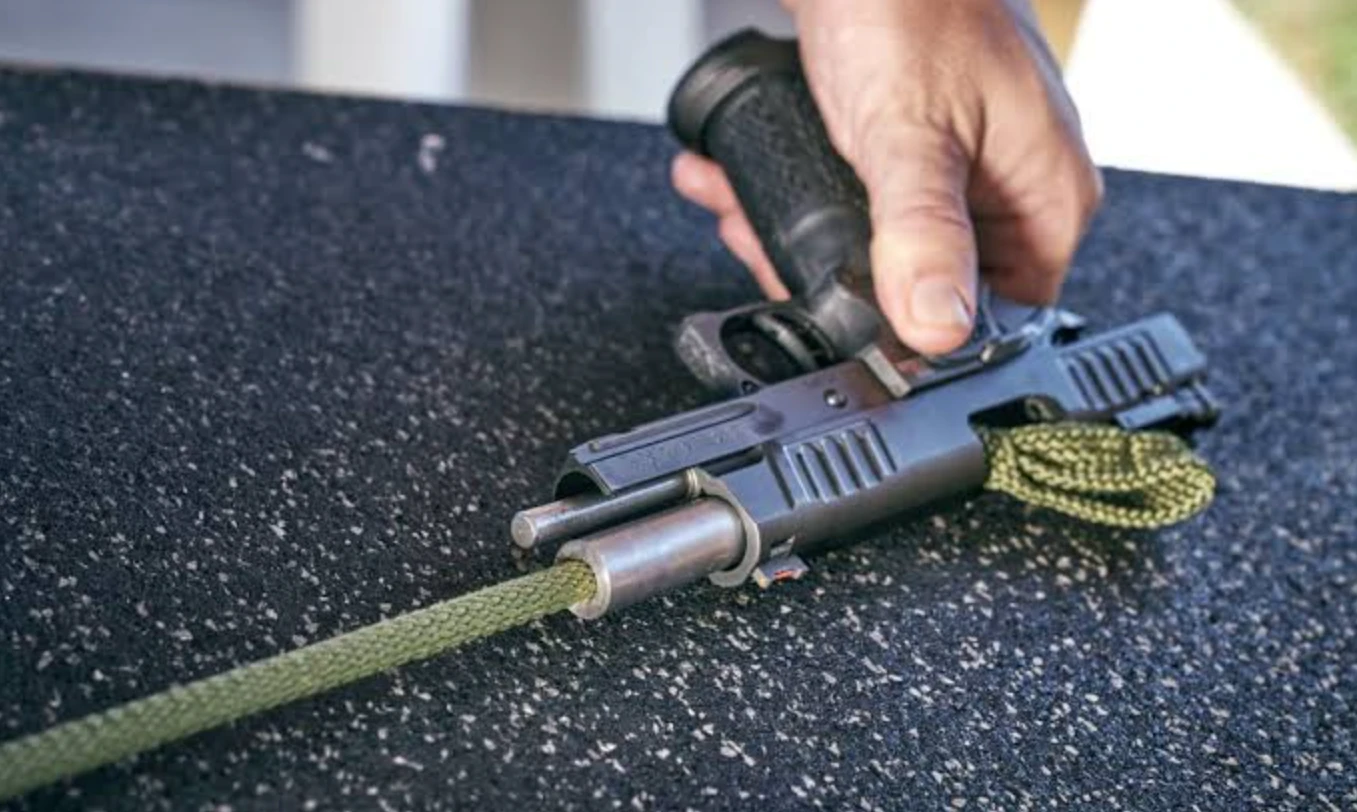
- Flexible cleaning cables: These can be useful for firearms where conventional cleaning from the chamber end is difficult or impractical.
For shooters who maintain several firearms, such as a pistol, rifle, and shotgun, a versatile cleaning kit with interchangeable accessories can be more convenient than purchasing completely separate equipment for every firearm. The important point is that versatility should not come at the expense of proper sizing and fit.
Proper Cleaning Starts With the Right Technique
Good firearm maintenance does not require complicated procedures. What matters most is using tools that are appropriate for the firearm, following the manufacturer’s cleaning instructions, and avoiding unnecessary force or contact with sensitive surfaces.
A consistent cleaning routine also makes it easier to identify changes in the condition of the bore, muzzle crown, and other components. With the right tools and proper technique, shooters can reduce the risk of maintenance-related damage and keep their firearms performing consistently over time.