Top Cosmetic Dentistry Treatments Available in Green River, WY
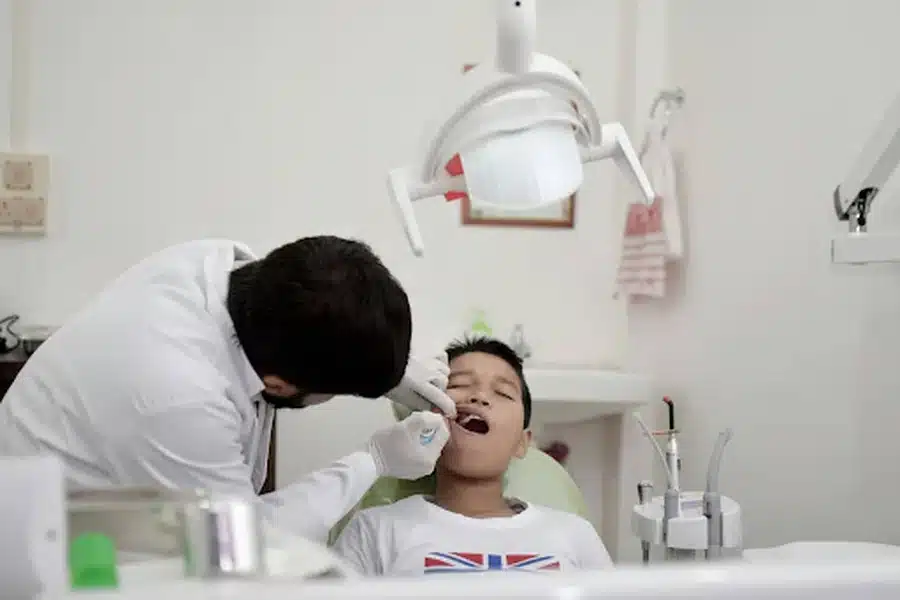
Green River, WY features a range of cosmetic dentistry options designed to refine color, shape, and alignment with natural-looking results. Patients often consider professional whitening, porcelain veneers, composite bonding, clear aligners, aesthetic crowns, gum contouring, and tooth-colored fillings. Skilled clinicians customize plans using advanced materials and precise techniques for durability and comfort. Subtle adjustments or thorough makeovers are possible, especially with the guidance of a trusted cosmetic dentist in Green River. The next step is understanding how each treatment fits specific goals, timelines, and budgets—and which approach suits your smile best.
Professional Teeth Whitening
Occasionally, a brightened smile begins with a carefully planned whitening session tailored to the patient’s enamel and shade goals. In Green River, WY, professional teeth whitening relies on calibrated peroxide gels and controlled light or tray delivery to lift stains from coffee, tea, tobacco, and age. A dentist records baseline shade, isolates soft tissues, and monitors exposure time to protect enamel while maximizing uniformity.
Protocols address tooth sensitivity proactively with desensitizing agents, fluoride varnish, and paced intervals between applications. Custom trays may be recommended for at-home refinement, using lower-strength gel for gradual, even results. Candidates receive guidance on pre-treatment cleaning, temporary dietary restrictions, and shade maintenance with nonabrasive products.
Cost considerations include exam and cleaning needs, in-office versus take-home systems, and the number of sessions required to meet esthetic targets. Transparent estimates help patients compare value, longevity, and maintenance frequency. Follow-up checks verify shade stability and comfort, supporting a luminous, natural look.
Porcelain Veneers
How can a thin layer of porcelain so completely transform a smile? Porcelain veneers are custom-crafted shells that cover the front surfaces of teeth to refine color, shape, size, and alignment with remarkable precision. In Green River, WY, clinicians begin with a careful evaluation of facial proportions, gum contours, and bite dynamics to design veneers that look natural under any light.
Tooth preparation is conservative, often removing only a fraction of a millimeter to create space for the porcelain and preserve enamel. Digital shade matching and high-quality ceramics guarantee translucency that mimics natural tooth structure. Temporary veneers protect the teeth while the lab fabricates the final restorations.
Placement involves meticulous bonding protocols to maximize strength and longevity. With proper care—daily hygiene, nightguard use when indicated, and routine checkups—veneer lifespan typically ranges from 10 to 15 years or longer. Patients appreciate immediate improvements in symmetry, uniform brightness, and balanced edges that frame the smile harmoniously.
Composite Bonding
A seamless touch-up for chips, gaps, or discoloration, composite bonding uses tooth-colored resin sculpted directly onto enamel to refine shape, shade, and proportion. In Green River, patients appreciate its minimal invasiveness: enamel is lightly etched, the resin layered, artistically shaped, then light-cured and polished to a lifelike luster. Shade-matching blends the restoration with surrounding teeth for natural looking results.
Bonding suits small fractures, worn edges, uneven contours, and stubborn stains. It often requires a single visit, no anesthesia, and preserves tooth structure—advantages for those seeking cost effective solutions without committing to more extensive restorations. With proper care, results typically last 5–8 years.
Aftercare is straightforward: brushing with a soft brush, nonabrasive toothpaste, and routine cleanings. Patients are advised to avoid biting hard objects and to address night grinding with a custom guard. When staining occurs, the composite can be repolished or spot-refreshed to maintain a seamless smile.
Clear Aligners and Invisalign
Clear aligners use a series of custom, near-invisible trays to gently guide teeth into ideal alignment, planned through precise digital modeling. Compared with traditional braces, Invisalign offers a more discreet look, fewer office visits, and removable wear for comfortable eating and effortless brushing. Typical treatment spans 6–18 months with 20–22 hours of daily wear, and patients maintain results with proper tray hygiene and post-treatment retainers.
How Clear Aligners Work
While traditional braces rely on brackets and wires, clear aligners use a series of precisely engineered, removable trays to guide teeth into alignment. Each set is digitally designed from a 3D scan, applying gentle, targeted forces that move teeth in small increments. The aligner material composition—typically multilayer, medical‑grade thermoplastic—balances flexibility with rigidity for predictable tooth movement and a smooth, low‑profile finish that preserves a natural look.
Patients follow a prescribed aligner wear schedule, usually 20–22 hours daily, changing to the next set every one to two weeks. Attachments may be placed to enhance grip and control rotation or torque. Regular check-ins verify progress and comfort. Because trays are removable, patients can brush, floss, and enjoy meals normally, helping maintain gum health and a refined smile outcome.
Invisalign vs. Braces
For many orthodontic needs, the choice comes down to Invisalign clear aligners versus traditional braces, each offering distinct aesthetics, comfort, and control. Invisalign uses discreet, removable trays that blend with teeth, appealing to adults who value a low-profile approach while aligning smile goals with day-to-day confidence. Braces use brackets and wires that provide precise, continuous force—often advantageous for complex rotations, vertical movements, or significant bite discrepancies.
In cases of correcting overbite, both systems can be effective; braces may offer finer torque and root control, while Invisalign’s optimized attachments and elastics now address many bite issues reliably. Patients who prefer minimal visual impact often favor aligners, whereas those prioritizing robust mechanical control may choose braces. A tailored evaluation in Green River guides the ideal option.
Treatment Time and Care
Time becomes a quiet partner in aligner therapy, with most Invisalign and clear aligner cases in Green River averaging 6–18 months, depending on crowding, bite complexity, and patient compliance. The expected treatment duration reflects 20–22 hours of daily wear, changing trays every 1–2 weeks, and check-ins roughly every 6–10 weeks. Precision-fit trays guide teeth in small increments; refinements may add several weeks if minor movements need polishing.
Patient aftercare requirements are straightforward but strict: remove aligners only for meals and brushing, clean trays with non-abrasive methods, and avoid hot liquids that warp plastic. Meticulous oral hygiene protects enamel and prevents staining. After active movement, retainers stabilize results—nightly wear is typical. Consistency sustains aesthetics, minimizes relapse, and streamlines future dental maintenance.
Dental Crowns for Aesthetics
Often chosen to restore both form and confidence, dental crowns offer Green River patients a precise way to correct discoloration, fractures, worn enamel, and misshapen teeth. A crown caps the visible tooth, creating a seamless look while reinforcing strength. Dentists typically recommend porcelain or ceramic for lifelike translucency, matching surrounding enamel in color and light reflection.
Treatment planning begins with digital imaging to assess bite, contour, and shade. Meticulous crown dimensioning guarantees proper proportion to adjacent teeth and comfortable occlusion. Equally important, crown shaping refines edges and surface texture so the restoration blends with natural anatomy rather than appearing bulky or flat.
Preparation is conservative, focusing on preserving healthy structure while removing compromised material. A temporary crown shields the tooth between visits. When the final crown is seated, the bite is fine-tuned and polished to a natural luster. With routine hygiene and checkups, these restorations maintain durability, symmetry, and an attractive, balanced smile.
Gum Contouring and Smile Design
Gum contouring and smile design suit patients with uneven gumlines, a “gummy” smile, or short-looking teeth, offering balanced proportions and a cleaner, brighter tooth display. Using precise laser or micro-surgical reshaping, the dentist sculpts excess tissue and refines symmetry; the visit typically includes digital smile planning to preview outcomes. Recovery is usually brief with mild tenderness, managed with gentle hygiene and soft foods, and results are visible immediately as the gumline heals.
Candidates and Benefits
A balanced smile depends on the harmony between teeth and the surrounding soft tissues, making gum contouring and smile design ideal for patients with uneven gumlines, excessive “gummy” display, short-looking teeth, or asymmetry after orthodontic movement. Suitable candidates typically have healthy gums and stable bite alignment, yet desire refined proportions that enhance facial aesthetics. This approach benefits individuals whose teeth appear small due to excess gingiva, whose gum levels are inconsistent around key front teeth, or whose smile line lacks symmetry.
Benefits include a more proportionate tooth-to-gum ratio, improved gingival symmetry, and a smile that complements lip shape and facial contours. Thoughtful smile design can visually balance midline discrepancies, support phonetics, and harmonize with existing restorations, creating a polished, confident appearance without altering natural tooth structure.
Procedure and Recovery
Before reshaping begins, the dentist maps ideal gingival contours using photos, digital scans, and smile design software to align gum levels with lip dynamics and tooth proportions. A local anesthetic or gentle sedation keeps patients comfortable. Using a soft-tissue laser or microsurgical instruments, excess gum is sculpted in millimeter increments, exposing balanced tooth length while preserving symmetry and biological width. Minor contouring takes minutes; broader smile design may include provisional mock-ups to preview outcomes.
The recovery timeline is typically 3–7 days for laser cases and up to two weeks for scalpel procedures. Expected sensations include mild swelling and tenderness. Post treatment care includes cold compresses, a soft diet, chlorhexidine or saltwater rinses, and gentle brushing with a soft brush. Follow-up visits refine contours and guarantee stable healing.
Tooth-Colored Fillings
Although small cavities can seem inconspicuous, tooth-colored fillings offer a seamless way to restore strength and aesthetics without drawing attention to dental work. In Green River practices, composite resin is bonded directly to enamel, allowing precise shade-matching for a natural look. The material conserves more healthy tooth structure than metal alternatives and blends smoothly at the margins, helping maintain a balanced smile line.
Patients often ask about tooth sensitivity. Most experience minimal sensitivity that resolves within days; dentists can adjust bite contacts and recommend desensitizing toothpaste if needed. Durability typically ranges from 7–10 years depending on cavity size, oral hygiene, and diet. Stain resistance is good with routine cleanings and avoidance of excessive pigmented beverages.
Cost considerations include the tooth’s location and extent of decay. Insurance commonly covers composites on front teeth and may partially cover molars. Compared with metal fillings, fees are slightly higher but justified by aesthetics, conservative preparation, and strong bonding.
In-Office vs. Take-Home Whitening Options
Brightening treatments fall into two convenient paths: supervised in-office whitening for fast, dramatic results and custom take-home kits for gradual, flexible change. In-office protocols use high-concentration gels activated under professional oversight, often delivering several shades of improvement in a single visit. This option suits events with tight timelines and patients seeking uniform brightness. Short treatment duration and controlled isolation help reduce teeth sensitivity, though transient zing is possible.
Take-home whitening relies on precision-fit trays and lower-concentration gel worn daily or nightly over one to two weeks. It offers incremental shade control, easy maintenance, and fewer chairside appointments. Because exposure is extended but gentler, many experience manageable teeth sensitivity that can be minimized with desensitizing gels and spaced applications.
Both paths benefit from a recent cleaning and the use of non-abrasive toothpaste. Realistic expectations matter: existing restorations do not lighten. For lasting results, patients often pair periodic at-home touch-ups with mindful dietary habits.
Choosing a Cosmetic Dentist in Green River, WY
When selecting a cosmetic dentist in Green River, WY, patients benefit from evaluating credentials, case results, and chairside approach with equal rigor. Cosmetic dentist credentials should include accredited continuing education in veneers, bonding, whitening, and occlusion, along with membership in recognized academies. Board certifications, digital smile design proficiency, and use of high-quality ceramics and photography indicate refined aesthetic standards.
Prospective patients should examine before-and-after galleries for symmetry, shade matching, and gum contour harmony. Transparent treatment planning—wax-ups, mock-ups, and imaging—supports predictable outcomes and informed consent. Scheduling a consultation allows assessment of communication style, attention to facial proportions, and sensitivity to budget and timelines.
Cosmetic dentist reviews provide insight into comfort, punctuality, and longevity of results. Consistent praise for natural-looking restorations and minimal adjustments is a positive signal. Finally, verify lab partnerships, warranty policies, and post-treatment maintenance guidance, ensuring that artistry is matched by durability and follow-through.
Frequently Asked Questions
How Much Do Cosmetic Dentistry Treatments Cost in Green River, WY?
Cosmetic dentistry in Green River, WY typically costs $150–$300 for whitening, $250–$1,200 per veneer (composite vs. porcelain), and $3,000–$5,000 per implant, reflecting Average cost range variations, local market pricing, materials, provider expertise, and customized treatment planning.
Does Dental Insurance Cover Cosmetic Procedures?
Yes—most cosmetic procedures aren’t covered, while medically necessary treatments may receive partial reimbursement. Patients should review dental plan benefits, seek pre-authorization, and request written estimates to anticipate exclusions, annual maximums, and out of pocket expenses, ensuring informed, aesthetically aligned choices.
What Financing or Payment Plans Are Available Locally?
Local clinics typically offer flexible payment plans and financing options, including in-house installments, CareCredit, and low-interest third‑party lenders. Patients may find promotional no‑interest periods, bundled treatment discounts, and transparent cost estimates with pre-qualification, ensuring aesthetic goals remain accessible and budget-conscious.
How Long Do Cosmetic Dentistry Results Typically Last?
Cosmetic dentistry results typically last from months to over 15 years, depending on dental longevity and treatment durability. Whitening endures 6–24 months; bonding 3–7 years; veneers 10–15+; crowns 10–15+; implants decades. Maintenance, bite forces, and habits determine outcomes.
Are There Sedation Options for Anxious Cosmetic Patients?
Yes. Many cosmetic practices offer nitrous oxide sedation for gentle relaxation and oral conscious sedation for deeper calm. Providers tailor dosing, monitor essential signs, review medical history, and recommend options supporting comfort, precision, and an aesthetically pleasing, stress-free experience.