What Is Water Damage Restoration? The Step-by-Step Process After a Leak or Flood
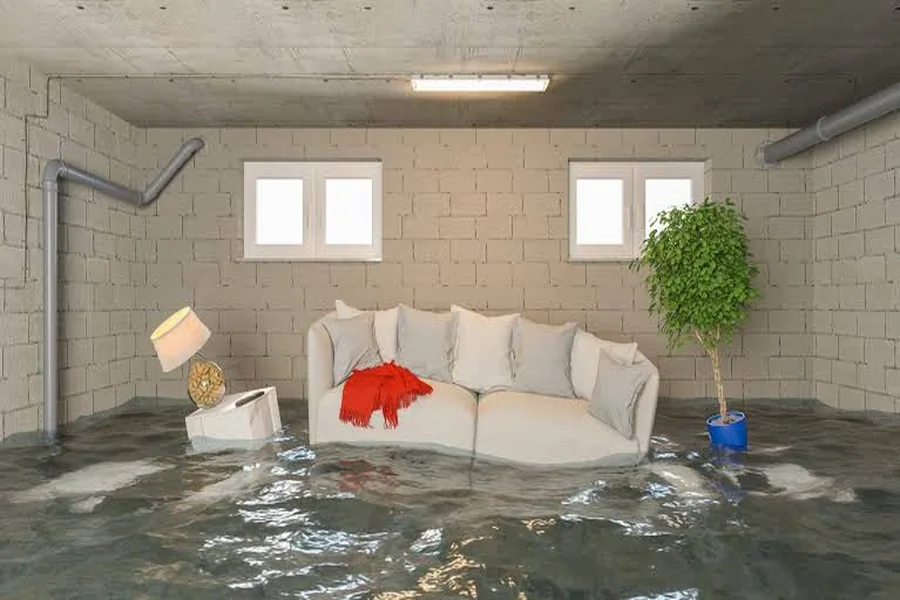
Experiencing a leak, burst pipe, or severe flood in your home can be an incredibly overwhelming event. In the chaotic aftermath, you might be wondering exactly what is water damage restoration and how it can help bring your property back to its original condition. The water damage restoration process involves a comprehensive series of critical steps designed to mitigate destruction, remove excess moisture, and restore your home to a healthy environment. Understanding this journey can alleviate anxiety and help you make informed decisions. If you are facing a water-related crisis, the experts at DryDocs Restoration are here to guide you through every phase of recovery with compassion and professionalism.
The First Steps to Take After Discovering Water Damage
Knowing exactly what to do after water damage occurs is vital to minimizing long-term structural issues and financial loss. The actions you take in the first few hours can significantly impact the overall outcome.
- Prioritize Safety: Always ensure the safety of your family first. Turn off the main electrical power supply if standing water is anywhere near outlets or appliances.
- Stop the Source: If the flooding is due to a burst pipe or appliance failure, shut off the main water valve immediately to prevent further accumulation.
- Protect Valuables: Quickly remove any important documents, electronics, small furniture, and sentimental items from the affected area.
Prompt, decisive action is the absolute foundation of effective water damage cleanup and sets the stage for a successful restoration.
Inspection and Moisture Assessment
Once the immediate danger has passed and the area is secure, professionals will arrive to conduct a thorough inspection and moisture assessment. This is a critical diagnostic step where experts evaluate the full scope of the destruction. Using advanced equipment such as specialized moisture meters, hygrometers, and thermal imaging cameras, technicians can determine the exact extent of the water intrusion.
Water has a tendency to hide behind walls, under floorboards, and within the subflooring. By accurately mapping the moisture levels, the restoration team can develop a customized, strategic plan tailored specifically to your property’s unique needs, ensuring no hidden pockets of moisture are left behind.
Water Removal and Structural Drying
The next major phase is the rapid removal of water and comprehensive structural drying. The longer water sits, the more damage it causes to building materials. Industrial-grade submersible pumps and powerful wet vacuums are utilized to extract hundreds of gallons of standing water quickly.
After the bulk of the water is removed, the focus shifts to drying out the remaining dampness. High-powered air movers and commercial-grade dehumidifiers are strategically placed throughout the affected zones. This equipment runs continuously to draw moisture out of the air and structural materials like drywall and wood framing. This step is closely monitored to ensure thorough drying, preventing secondary issues such as structural warping or swelling.
Cleaning, Sanitizing, and Mold Prevention
Water damage almost always brings unwanted dirt and potential contaminants into your living spaces. Comprehensive cleaning and sanitizing are absolutely required to ensure the indoor environment is safe. Restoration specialists will meticulously clean all restorable items, including furniture and personal belongings, using specialized techniques.
Antimicrobial and antibacterial treatments are applied to all affected surfaces. This phase is exceptionally critical for mold prevention. Mold spores can begin to multiply rapidly within 24 to 48 hours in damp conditions. Proper sanitization eliminates unpleasant musty odors and safeguards your home’s indoor air quality.
Repairing and Restoring Damaged Materials
After the property has been completely dried, cleaned, and sanitized, the final repair and restoration phase begins. The ultimate goal of this step is to return your home exactly to its pre-loss condition, making it look and feel as though the disaster never occurred.
This restoration phase can vary widely depending on the severity of the initial incident. It may involve minor repairs, such as replacing a few damaged panels of drywall or installing new carpet padding. In more severe cases, it can involve major reconstruction projects, including rebuilding entire rooms or replacing hardwood flooring. Every detail is carefully addressed to ensure structural integrity.
When to Call a Professional Restoration Company
While minor spills can often be handled with a simple mop, significant leaks, burst pipes, sewage backups, or natural flooding strictly require professional intervention. You should immediately call a professional restoration company when the water damage covers a large area, involves contaminated water, or if the water has been sitting for more than 24 hours.
Attempting DIY cleanup for severe water damage often leads to hidden mold growth and structural decay. Certified experts possess the specialized training, advanced equipment, and extensive experience necessary to handle complex situations safely and efficiently. Trusting professionals provides you with much-needed peace of mind during an incredibly stressful time.