What to Do Before Visiting an Emergency Dentist in Chicago for Tooth Pain
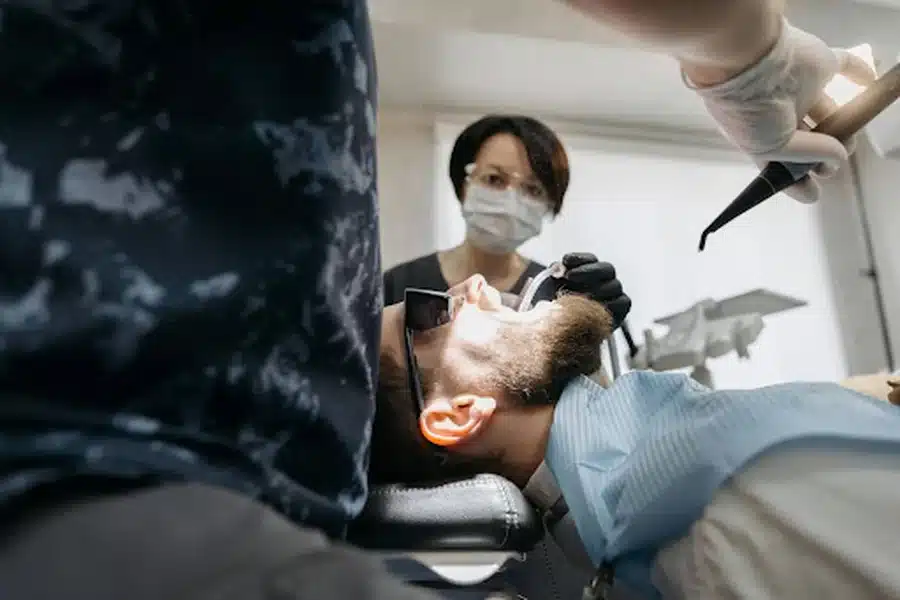
Before heading to an emergency dentist in Chicago for tooth pain, a person should identify urgent symptoms, take safe steps to reduce discomfort, and secure important documents. They should protect any damaged tooth, confirm a nearby clinic’s availability, and understand likely costs. They should also prepare key medical details and plan transportation. These actions can save time and improve outcomes. The next steps show exactly how to act in the pivotal minutes before care.
Recognize Tooth Pain That Requires Urgent Care
When tooth pain is sudden, severe, or persists beyond a day, it warrants urgent dental evaluation. The individual should identify severity by noting red flags: throbbing pain that disrupts sleep, sensitivity that lingers after hot or cold exposure, swelling of the face or gums, fever, foul taste indicating pus, bleeding that won’t stop, or pain following trauma. In these cases, consulting a trusted emergency dentist in Chicago can ensure timely care and prevent complications. A cracked or knocked-out tooth, loose adult tooth, or pain accompanied by difficulty swallowing or breathing signals immediate attention.
To proceed, they should document symptoms: onset, triggers, duration, and any recent dental work. They should also observe changes such as gum discoloration, bad breath, or a visible cavity. If an ulcer or sore does not improve within two weeks, escalate care. When in doubt, consult a dentist promptly—preferably an emergency dentist in Chicago if local—and describe specific signs to help triage. Avoid delaying, as infections can spread and compromise teeth or overall health.
Take Immediate, Safe Pain-Relief Measures
At the first sign of significant tooth pain, prioritize safe, short-term relief while arranging urgent dental care. Keep the mouth calm: rinse gently with warm saltwater to reduce irritants and soothe tissues. Avoid extreme temperatures and hard foods. Do not place aspirin directly on gums or teeth.
Apply external measures first. Take cool compress to the cheek in 10–15 minute intervals to limit swelling and dull throbbing. Maintain upright posture; elevation can lessen pulsing pain. If debris is present, floss carefully to remove trapped food without snapping.
For medication, utilize over the counter pain medication as directed on the label. Ibuprofen or naproxen can reduce inflammation; acetaminophen is an option if anti-inflammatories are unsuitable. Do not exceed recommended doses or combine products with overlapping ingredients.
Avoid alcohol-based rinses and topical numbing gels that irritate tissue. Note any fever, facial swelling, or difficulty swallowing, and expedite contact with an emergency dentist in Chicago.
Protect a Chipped or Knocked-Out Tooth
Cracked enamel or a lost tooth demands calm, quick action to preserve structure and nerves. First, locate any pieces and preserve tooth fragments in clean milk or saline; if unavailable, use the person’s saliva in a clean container. Rinse the mouth gently with lukewarm water. Handle tooth gently by the crown only—never the root. If the entire tooth is out, lightly rinse debris without scrubbing, then try to reinsert it into the socket, facing the correct way, and hold it in place with gentle pressure or gauze.
If reinsertion isn’t possible, keep the tooth moist in milk or a tooth-preservation solution; avoid tap water, which can damage root cells. For a chip with sharp edges, cover with dental wax or sugar-free gum to protect soft tissues. Apply a cold compress to reduce swelling and bleeding. Avoid chewing on the injured side. Seek urgent dental care immediately—time is critical for saving the tooth.
Gather Insurance, ID, and Payment Information
Before leaving, they should confirm dental insurance coverage and note any emergency visit copays or limitations. They should bring a photo ID and insurance card, plus a list of the policyholder’s details. If coverage is uncertain, they should prepare a credit card or other payment method and ask the office about accepted forms of payment.
Verify Dental Insurance Coverage
How best to avoid surprises at the front desk? Verify dental benefits before leaving home. First, evaluate insurance coverage by reviewing the plan’s emergency and out-of-network provisions, annual maximums, deductibles, and copayments. Confirm whether urgent visits, X‑rays, temporary restorations, or after-hours fees are covered. Next, contact insurance provider to validate eligibility, remaining benefits, and any preauthorization needs. Ask for the plan’s fee schedule, coverage percentages for emergency services, and claim submission steps.
Call the Chicago dental office to confirm network status, accepted plans, and whether they can estimate benefits with a real-time eligibility check. Document the representative’s name, reference number, and details given. Save screenshots of benefits. Bring the insurance card and group numbers. With verified benefits and clear terms, arrival is smoother and financial expectations are set.
Prepare Payment and IDS
Even under stress, arriving prepared streamlines check‑in and speeds care. Patients should gather essentials before leaving for a Chicago emergency dentist: a government‑issued ID, active insurance card, and ready payment options. Offices often require verification and a copay at intake. To avoid delays, they should call ahead to confirm accepted plans, fees, and whether the office can create payment plan options. They should also understand billing policies, including costs for X‑rays, after‑hours fees, and preferred payment methods.
- Photograph ID, insurance card (front/back), and dental policy number
- Primary payment method plus backup (card, HSA/FSA, cash)
- List of subscriber details and employer information
- Phone numbers for insurer and benefits department
- Written notes on estimated copays, deductibles, and how to create payment plan options and understand billing policies
Compile Your Medical and Dental History
Why does preparation matter now? Because a clear record speeds diagnosis and prevents contraindications. The patient should document medications, including dosages, frequency, start dates, and any recent antibiotics, blood thinners, or pain relievers. List allergies to drugs, latex, or anesthetics, plus prior adverse reactions. Note medical conditions relevant to dental care—heart disease, diabetes, pregnancy, immunosuppression, clotting disorders, and recent surgeries or hospitalizations.
Next, assess dental history. Summarize past procedures: extractions, root canals, implants, crowns, orthodontics, or grafts, including dates and treating providers when possible. Record sensitivity to anesthesia, history of dry socket, bruxism, TMJ issues, or periodontal treatment. Identify current dental appliances or retainers. Include last dental X-rays and cleanings, even approximate timelines.
Add emergency specifics: pain onset, triggers, severity, swelling, fever, drainage, or trauma. Provide contact information for primary care and regular dentist. Bring insurance cards and IDs already prepared. Keep the summary one page, legible, and ready to hand off at check-in.
Find and Verify Emergency Dentists in Chicago
Before calling the first clinic that pops up, narrow options to true emergency providers in Chicago that offer same-day or after-hours care. A focused search helps locate reputable dentists who can treat acute pain, infections, or trauma promptly. Verify licensure with the Illinois Department of Financial and Professional Regulation and review credentials, affiliations, and patient feedback. Confirm emergency hours on practice websites to guarantee availability during nights, weekends, and holidays. Prefer clinics with on-site imaging and the ability to manage extractions, abscess drainage, and severe sensitivity.
- Check IL license status and any disciplinary history.
- Confirm emergency hours and scope of urgent services listed online.
- Review hospital affiliations and ADA/ISDS memberships.
- Scan recent reviews for pain management responsiveness and wait times.
- Prioritize locations near transit or parking for quick access.
If multiple clinics qualify, shortlist two or three options. Keep contact details handy and be ready with symptoms, allergies, and current medications.
Call Ahead to Confirm Availability and Costs
How soon can the dentist see new emergency patients, and what will it cost? Calling ahead sets expectations and prevents delays. The patient should confirm same-day or after-hours availability, whether walk-ins are accepted, and how triage works. Ask for transparent pricing: exam, X-rays, urgent treatment, and any add-on fees for weekends or nights. If insured, verify network status and estimated out-of-pocket costs; if uninsured, request a written fee range.
To secure care, book appointment in advance when possible, even for urgent needs. Confirm the clinic’s cancellation and no-show policies. Ask what documentation is required for faster check-in, such as ID and insurance details. Clarify accepted payment methods and inquire about payment plans, discounts, or membership programs that reduce immediate costs. If imaging or prescriptions are likely, confirm related fees. Finally, request a text or email confirmation with the appointment time, location, and quoted estimates to avoid misunderstandings.
Prepare for Your Visit and Transportation
Before leaving, they should gather recent X-rays, medication lists, and insurance details. If pain or medication could impair driving, they should arrange a ride-share, taxi, or a trusted driver. They should bring a payment card, ID, and any preapproved financing or HSA/FSA details to streamline check-in.
Gather Dental Records
Two simple steps ease an urgent dental visit: gather records and plan transport. In Chicago, fast care improves when patients collect dental records before heading out. They should contact their general dentist or clinic portal to obtain past x rays, recent exam notes, treatment plans, allergy lists, and medication histories. A concise packet helps the emergency dentist confirm prior work, avoid duplicate imaging, and decide quickly on pain relief or definitive treatment. Digital copies are best; screenshots or PDFs work if originals aren’t available. Organize files by date, then save them to a phone and a backup email. Bring insurance details and photo ID to streamline intake.
- Request records immediately
- Ask for digital formats (PDF, JPEG)
- Include insurance and ID
- Note allergies and medications
- Verify dates and providers
Arrange Safe Transport
With records organized, attention should shift to getting to the clinic safely. Tooth pain, possible swelling, or prescribed medication can impair driving. The safest choice is to arrange for a trusted ride—ask a family member, friend, or neighbor who can wait and drive back if needed. If no one is available, plan for transport assistance: use a licensed rideshare, taxi, or non-emergency medical transport. Confirm pickup and destination details, and share the clinic address and appointment time.
Allow extra time for traffic and building entry in Chicago. Wear comfortable clothing, bring a charged phone, and keep ID and insurance accessible. If symptoms worsen or dizziness occurs, avoid public transit. In severe pain or uncontrolled bleeding, call 911 rather than attempting self-transport.
Plan Payment Method
A wallet checklist keeps financial details simple and stress-free. Before leaving for an emergency dentist in Chicago, a patient confirms how the clinic accepts payment and what costs to expect. Clear preparation reduces delays at check-in and eases focus on pain relief. They should verify insurance, set aside a backup method, and be ready to discuss financing arrangements if needed.
- Confirm accepted methods: credit/debit, HSA/FSA, cash, contactless.
- Verify insurance eligibility, copays, deductibles, and out-of-network fees.
- Ask for an estimate and review payment plan options for urgent care.
- Bring photo ID, insurance card, and a secondary card for contingencies.
- Call ahead to discuss financing arrangements, application steps, and timelines.
This approach streamlines billing and prevents surprises during urgent treatment.
Know What to Expect During an Emergency Dental Exam
Calm, efficient triage sets the tone. Staff collect symptoms, pain level, and medical history, then prioritize urgent needs. Patients who prepare dentist visit expectations reduce stress and time to care. Identification, insurance, and medication lists are reviewed quickly.
An exam begins with targeted questions and a focused visual inspection. The dentist checks swelling, mobility, fractures, and gum status. Bite and temperature tests may follow to pinpoint the source. To understand exam process, anticipate digital X‑rays or intraoral photos to reveal hidden decay, infection, or impacted teeth.
After findings, the dentist explains the diagnosis plainly and outlines immediate relief options: numbing, smoothing sharp edges, temporary restorations, drainage, or prescriptions for infection and pain. If definitive treatment is needed—root canal, extraction, or repair—timelines and referrals are provided. Patients are directed on aftercare, warning signs, and follow-up scheduling. Expect transparent costs and consent before procedures. Cooperation and concise answers speed safer, more effective care.
Frequently Asked Questions
Can I Eat or Drink Before an Emergency Dental Appointment?
Yes, limited intake is acceptable. They should sip water, avoid certain foods like hard, sticky, or spicy items, and skip alcohol. Continue prescription medications as directed. If sedation is possible, remain fasting per instructions and inform the dental team.
Do Emergency Dentists Offer Sedation for Severe Anxiety?
Yes. Emergency dentists commonly provide sedation options for severe anxiety. They explain choices, assess history, and recommend safe pain management techniques. Patients should disclose medications, fasting status, and past reactions. Arrive with a driver, follow instructions, and expect close monitoring throughout.
What if I’M Pregnant and Have Dental Pain?
Yes—dental pain in pregnancy warrants prompt care. He should advise pregnancy precautions: inform the dentist, share medications, and trimester. Hormone changes increase gingival inflammation. She should use acetaminophen, avoid NSAIDs, maintain gentle hygiene, and seek urgent evaluation for swelling, fever, or trauma.
Are Language Interpretation Services Available in Chicago Dental Clinics?
Yes. Many Chicago clinics provide language barrier accommodations and dental clinic translation services. Patients should call ahead, request their language, and bring ID. If urgent, use 911 interpretation. Clinics often offer Spanish, Polish, Mandarin, Arabic, and ASL.
How Do I Handle Dental Pain While Traveling or Staying in a Hotel?
They should stabilize symptoms: rinse with warm saltwater, use cold compress on the cheek, take over the counter medication like ibuprofen, avoid aspirin on gums, keep the head elevated, avoid hard or hot foods, and arrange urgent dental evaluation.