When To Seek Professional Dry Eye Treatment Services
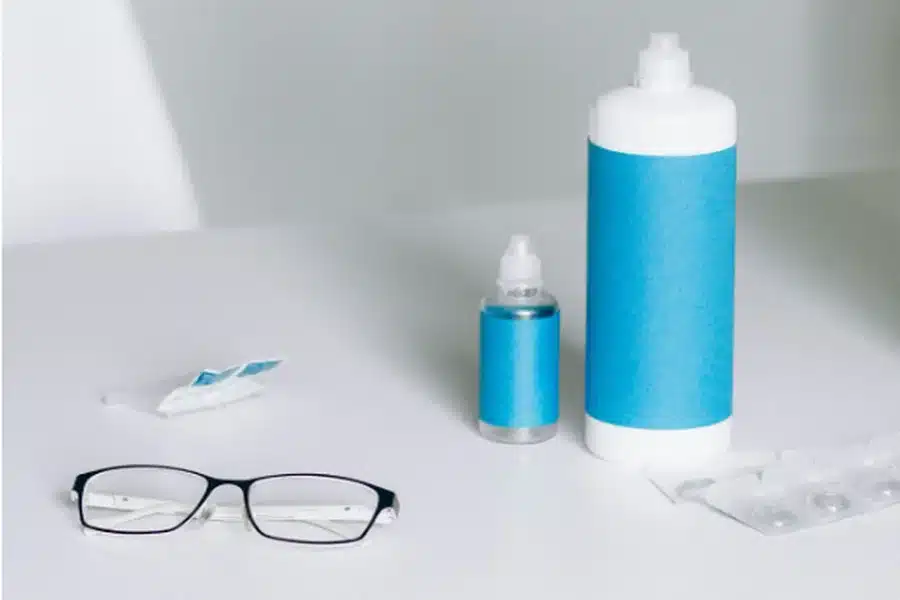
Individuals experiencing persistent dry eye symptoms should consider seeking professional treatment for dry eye in Mandan. When over-the-counter solutions provide limited relief and symptoms such as increased light sensitivity or significant vision changes arise, it may indicate underlying conditions like Sjögren’s syndrome or meibomian gland dysfunction. Thorough evaluation by a specialist can uncover these root causes, necessitating advanced treatment options. Timely intervention is essential to prevent further ocular surface damage and address the complexities of severe dry eye effectively.
Recognizing Persistent Symptoms
When evaluating individuals for dry eye syndrome, it is pivotal to identify persistent symptoms that patients may overlook or underreport. Clinical assessment should focus on analyzing symptoms such as ocular dryness, foreign body sensation, and visual fluctuations. These symptoms are often chronic and can profoundly impact quality of life if not addressed. Systematic monitoring of progress is essential, utilizing validated questionnaires like the Ocular Surface Disease Index (OSDI) and objective tests such as tear film break-up time (TFBUT) and Schirmer’s test. Documenting changes over time aids in tailoring management strategies effectively. Evidence suggests that early recognition and intervention in dry eye syndrome can prevent further ocular surface damage and improve long-term outcomes, emphasizing the importance of vigilant symptom evaluation and consistent follow-up.
Understanding the Causes of Dry Eye
Dry eye disease can be attributed to a variety of etiological factors, including common environmental triggers such as low humidity and high wind exposure, which exacerbate tear evaporation. Additionally, underlying health conditions like Sjögren’s syndrome, rheumatoid arthritis, and diabetes mellitus have been implicated in disrupting ocular surface homeostasis. Understanding these causative elements is pivotal for devising targeted therapeutic interventions that address both symptomatic relief and the underlying pathophysiology.
Common Environmental Triggers
Exposure to specific environmental factors can markedly contribute to the development and exacerbation of dry eye syndrome, a multifactorial disease affecting the ocular surface. Air conditioning concerns are significant, as prolonged exposure to artificially cooled and dehumidified environments can lead to increased tear evaporation, destabilizing the tear film. Additionally, weather fluctuations, including low humidity and high wind conditions, further exacerbate tear film instability. Evidence indicates that these environmental triggers can disrupt homeostasis in tear production and ocular surface hydration, resulting in symptoms such as dryness, irritation, and a gritty sensation. Clinically, it is imperative to recognize and mitigate these environmental influences, as they play a vital/essential/central role in the pathophysiology of dry eye syndrome, potentially necessitating professional intervention for symptom alleviation.
Underlying Health Conditions
Environmental factors indeed contribute extensively to dry eye syndrome, yet a thorough understanding requires examining underlying health conditions that also play an indispensable role. Chronic medical conditions such as diabetes and thyroid disorders have been implicated in the pathophysiology of dry eye. These diseases may alter lacrimal gland function and ocular surface integrity, exacerbating symptoms. Additionally, autoimmune disorders, including Sjögren’s syndrome and rheumatoid arthritis, are significant contributors. These disorders trigger systemic inflammation, leading to reduced tear production and destabilization of the tear film. Evidence-based studies underscore the importance of addressing these underlying health issues when evaluating dry eye etiology. All-encompassing management strategies necessitate a holistic approach, integrating treatment of the primary medical condition alongside symptomatic relief of ocular manifestations.
Identifying Risk Factors for Severe Dry Eye
How exactly can one identify the risk factors for severe dry eye? Recognizing predisposition involves both hereditary factors and underlying medical conditions. Clinicians must evaluate a patient’s genetic history and assess specific health profiles to determine susceptibility. Such risk evaluations are indispensable in preventing progression to severe dry eye disease.
Key risk factors include:
- Age and Sex: Women and older individuals are more prone due to hormonal changes.
- Hereditary Factors: Family history of dry eye syndrome or autoimmune disorders.
- Underlying Medical Conditions: Diabetes, rheumatoid arthritis, and thyroid dysfunction.
- Medications: Use of antihistamines, antidepressants, and diuretics can exacerbate symptoms.
- Environmental Influences: Prolonged exposure to dry climates and screen time.
Targeted interventions based on these factors can drastically improve patient outcomes.
Evaluating Over-the-Counter Treatment Effectiveness
In evaluating the effectiveness of over-the-counter (OTC) treatments for dry eye, clinicians frequently rely on evidence-based assessments that consider both symptomatic relief and underlying pathophysiology. Medication effectiveness is determined through randomized controlled trials (RCTs) that examine the efficacy of artificial tears, gels, and ointments in maintaining tear film stability and reducing ocular surface inflammation. Product quality evaluation plays a central role in selecting appropriate OTC treatments. This involves scrutinizing preservative-free formulations and appraising the biocompatibility of active ingredients such as carboxymethylcellulose or hydroxypropyl methylcellulose. Additionally, clinical guidelines recommend considering the viscosity and osmolarity of products, which directly impact patient adherence and comfort. Ultimately, meticulous evaluation guarantees that OTC treatments can offer reliable, safe options for managing mild to moderate dry eye symptoms.
Exploring the Role of Lifestyle and Environment
A multitude of lifestyle and environmental factors substantially contribute to the prevalence and severity of dry eye symptoms. Elements such as dietary habits and sleep quality are pivotal in understanding their impact on ocular surface health. Inadequate nutrition and poor sleep quality can exacerbate tear film instability and inflammation. Consider the following factors:
- Dietary habits: Omega-3 fatty acid deficiency is linked to reduced tear production.
- Sleep quality: Insufficient REM sleep diminishes lacrimal gland function.
- Screen time: Prolonged digital device use decreases blink rate, increasing evaporation.
- Environmental humidity: Low humidity environments accelerate tear evaporation.
- Air quality: Exposure to smoke or pollution can irritate the ocular surface.
These factors underscore the significance of addressing lifestyle and environmental influences in managing dry eye disease effectively.
Knowing When Home Remedies Aren’t Enough
While home remedies may offer temporary relief for mild dry eye symptoms, there are instances where professional intervention is essential. Symptoms persisting beyond two weeks, increased sensitivity to light, or significant vision changes indicate that managing dry eye symptoms requires more than home care. The multifactorial nature of dry eye disease often necessitates addressing underlying causes that home remedies cannot resolve. Systemic conditions such as Sjögren’s syndrome, meibomian gland dysfunction, or autoimmune disorders may exacerbate symptoms, requiring targeted therapeutic strategies. Clinical evaluation and diagnostic testing, like tear film osmolarity or ocular surface staining, are critical for identifying the etiology. Professional treatment modalities, including prescription medications or in-office procedures, offer effective intervention for advanced cases, ensuring complete management of dry eye symptoms.
Consulting a Specialist for Comprehensive Evaluation
Although self-management strategies can offer initial relief, seeking specialized care is pivotal for a thorough evaluation of dry eye disease. Consulting an ophthalmologist or optometrist guarantees a comprehensive eye exam, enabling precise diagnosis and targeted interventions. A detailed medical history provides insight into underlying conditions and potential exacerbating factors.
Key components of a specialist consultation include:
- Comprehensive eye exam: Evaluates tear film stability and ocular surface integrity.
- Detailed medical history: Assesses systemic diseases and medication influences.
- Diagnostic imaging: Utilizes technologies like meibography for gland assessment.
- Tear production tests: Measures tear volume and quality through Schirmer’s test.
- Personalized treatment plan: Tailors interventions based on individual assessment.
Engaging with a specialist ensures a nuanced understanding of dry eye pathophysiology, optimizing patient outcomes through evidence-based strategies.
Benefits of Professional Dry Eye Treatment
Professional dry eye treatment provides significant advantages through the use of advanced diagnostic techniques, allowing for precise identification of underlying etiologies. These methods facilitate the development of personalized treatment plans tailored to the specific needs of the patient, optimizing therapeutic outcomes. In addition, evidence suggests that such individualized approaches contribute to long-term symptom relief and improved quality of life for individuals suffering from dry eye disease.
Advanced Diagnostic Techniques
Advanced diagnostic techniques play a pivotal role in the effective management of dry eye syndrome, providing an extensive understanding of its multifactorial nature. Corneal imaging technology and tear film analysis are at the forefront, offering precise insights into ocular surface health. These methods enhance diagnostic accuracy and lead to targeted therapeutic interventions.
Key benefits include:
- Corneal Imaging Technology: Enables detailed examination of the corneal surface and structural changes.
- Tear Film Analysis: Assesses tear stability and composition, essential for identifying underlying causes.
- Meibomian Gland Evaluation: Detects dysfunctions affecting lipid layer stability.
- Ocular Surface Staining: Highlights epithelial cell damage and tear film adequacy.
- Lipid Layer Thickness Measurement: Provides data on lipid deficiencies contributing to tear evaporation.
These techniques streamline the clinical approach, improving patient outcomes.
Personalized Treatment Plans
Building on the foundation of advanced diagnostic techniques, personalized treatment plans emerge as a cornerstone of effective dry eye management. By employing custom treatment approaches, healthcare professionals can tailor interventions to address the unique pathophysiological mechanisms underlying each patient’s condition. Personalized care solutions involve a thorough assessment of tear film stability, ocular surface integrity, and inflammatory markers. This evidence-based strategy enables the integration of targeted therapies, such as punctal plugs, lipid-based artificial tears, or anti-inflammatory medications, to optimize patient-specific outcomes. The customization of treatment plans not only enhances therapeutic efficacy but also minimizes adverse effects by avoiding a one-size-fits-all approach. Ultimately, personalized care solutions are pivotal in advancing the management of dry eye disease, ensuring that each patient receives the most appropriate and effective treatment.
Long-term Symptom Relief
Achieving long-term symptom relief in dry eye disease is a crucial objective of professional treatment services. Clinical evidence suggests that sustained therapeutic interventions can considerably alleviate ocular discomfort and enhance quality of life. A consistent eye care regimen, tailored by specialists, is essential. This regimen often leads to improved sleep patterns due to reduced nocturnal irritation.
Benefits of professional treatment include:
- Symptom stabilization: Reduced frequency and severity of dry eye episodes.
- Enhanced adherence: Patient engagement in prescribed therapeutic strategies.
- Ocular surface improvement: Restoration of tear film integrity and ocular health.
- Preventive care: Reducing risk of complications such as corneal ulcers.
- Quality of life: Alleviation of daily discomfort, promoting better sleep and productivity.
Exploring Advanced Treatment Options
While traditional treatments for dry eye syndrome provide relief for many patients, exploring advanced treatment options can offer enhanced outcomes for those with refractory symptoms. Targeted therapies, such as cyclosporine ophthalmic emulsion and lifitegrast, modulate inflammatory pathways to improve tear film stability. Innovative procedures like intense pulsed light (IPL) therapy and thermal pulsation systems address meibomian gland dysfunction, a common etiology in chronic dry eye. Evidence from clinical trials demonstrates significant improvement in tear break-up time and symptomatology with these modalities. Additionally, scleral lenses create a protective reservoir of hydration, mitigating corneal exposure. For patients unresponsive to conventional approaches, these advanced interventions can be integral to achieving satisfactory ocular health and comfort, underscoring the importance of personalized treatment plans.
Frequently Asked Questions
Can Stress Contribute to the Worsening of Dry Eye Symptoms?
Yes, emotional distress can exacerbate dry eye symptoms. Evidence suggests that stress-related lifestyle changes may disrupt tear production, increase inflammatory markers, and alter ocular surface homeostasis, leading to intensified discomfort and reduced tear film stability.
Are There Any Specific Foods That Can Alleviate Dry Eye Symptoms?
Omega-3 fatty acids and antioxidant-rich foods may alleviate dry eye symptoms by reducing inflammation and oxidative stress. Evidence suggests incorporating fish, flaxseeds, nuts, leafy greens, and berries enhances tear production and stabilizes tear film integrity.
How Does Screen Time Affect Dry Eye Conditions?
Excessive screen brightness and reduced blink rate greatly contribute to dry eye conditions by disrupting the tear film’s stability. Prolonged exposure leads to increased tear evaporation, exacerbating symptoms such as ocular discomfort, redness, and visual disturbances, necessitating clinical intervention.
Can Wearing Contact Lenses Worsen Dry Eye Symptoms?
Wearing contact lenses can exacerbate dry eye symptoms by disrupting tear film stability. Lens prescription adjustments and corneal mapping assessments are vital in minimizing discomfort, ensuring ideal fit, and maintaining ocular surface health, according to evidence-based ophthalmological practices.
Is Dry Eye More Common in Certain Climates or Regions?
Dry eye prevalence increases in arid climates due to reduced humidity, which exacerbates tear evaporation. Conversely, humid environments may mitigate symptoms. Seasonal weather changes, such as increased wind or temperature fluctuations, can also influence dry eye incidence.