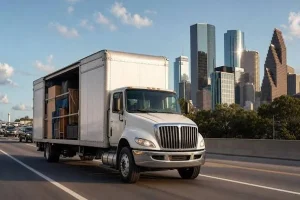
Why Liquid Logistics Requires a Completely Different Supply Chain Strategy
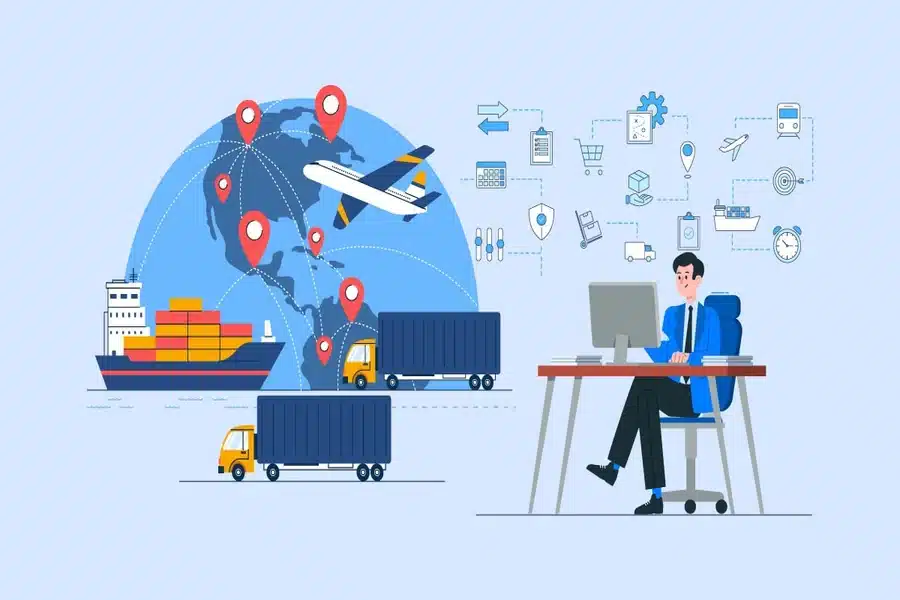
Bulk liquid logistics is a perfect storm of complexity, but it’s also a game-changer in terms of efficiency and profitability for the right shipper. Cross this steep learning curve successfully and you’ll position yourself on a very short list of trusted carriers for the most in-demand shipper lanes in the country.
The Weight Problem Dry Cargo Managers Don’t Face
Logistics for dry cargo is mainly about space. You want to stuff the box as full as you can, right up to the cube’s limits, but you’ll pretty much always run out of pounds first before you do that.
The exact opposite is true for liquid logistics. You’ll max out the weights on the pod long before you come anywhere close to filling the cube. This approach is known as “weighing out” and it’s used to force coordinators to maximize payload on every haul, not because they must but because it’s a waste to leave part of the product behind or pile too much on the road. A lot of calculations need to be done to balance the trailer when unexpectedly underloading or overweighting is unacceptable.
This adjustment in perspective is key. A warehouse team that’s been trained to pack the most gallons might not get used to carefully calculating weights and measures on every single turn.
Equipment selection is a strategic decision, not a procurement one
Deciding between flexitanks and ISO tank containers involves more than just what’s there. It’s also about what your supply chain needs. Flexitanks are single-use, collapsible bags that transform a 20-foot intermodal container into a sealed, impermeable, bulk liquid hauler. As no returns are necessary, neither are cleaning and fumigation expenses. Each unit is custom-designed for the product it carries, so there’s no cross-contamination risk from previous loads. They’re ideal for hygienic products including wine. Bulk wine shipping containers using flexitank technology, for example, benefit from a five-figure reduction in transport costs with no cleaning residues.
Bulk liquids shipped in flexitanks offer from 31% to 40% lower transportation costs than shipments in drums / IBCs of the same volume (Flexitank industry benchmarks, global logistics providers). ISO tanks are reusable stainless steel tanks built to the strictly standardized frame of an ocean-going intermodal container. They’re better suited for hazardous materials, high-volume recurring routes, or shipments that require temperature control. Obtaining wash certificates after processing is part of the responsibility for the return empty. The biggest savings with the ISOs come when the tank will be going to within a few hundred miles of its previous freight terminus to reload. ISOs are typically the only option for temperature-controlled shipments.
What Happens to Sensitive Liquids in Transit
Wine is a very sensitive product to transport. The impact of oxygen on wine is that it causes oxidation and the wine deteriorates within hours. Any temperature fluctuation causes thermal shock and modifies the chemical composition of the liquid irreversibly.
To protect bulk wine during a long sea journey, you need to install multi-layered oxygen barriers in the tanks. You need to place thermal liners inside the transport vessel. You need to purge the air with nitrogen in order to eliminate oxygen from the headspace before sealing. You need to use reefer containers for shipments during summer or winter if the outdoor temperature might get excessive.
Ullage, the headspace that you intentionally leave above the liquid when filling a tank, to account for thermal expansion, must be the right amount. Too little, and the tank risks overstressing when the liquid expands. Too much, and you have generated a risk of oxidation for the wine and you wasted the payload. No, you cannot round up or down. The number is the number.
The Physics of Liquid in Motion
When a truck with a tank trailer comes to a hard stop, the liquid inside the trailer keeps moving. This fluid motion can push the truck and trailer out of a straight line, creating a risk of jack-knifing. This is called “forward surge” and it is driven by the motion of the truck. Conversely, when a truck with a tank trailer accelerates, the liquid moves to the back of the tank, creating a “rearward surge” that can potentially lift the front wheels of the truck off the pavement. This is an even more dangerous situation.
The Regulatory and Sanitary Burden
Liquid supply chains have more regulations to follow compared to dry-van operations. When transporting food-grade products, the logistics equipment must be carefully documented, traceable, and certified as clean.
Wash certificates are mandatory for reusable tanks that carry food items. These certificates prove that a tank has been cleaned at a certified facility after a shipment. If you lack wash certificates, you’re not in compliance with regulations, and you are liable for any issues that may arise.
Additionally, allergen control protocols are also essential. For example, if a tank previously carried a nut-based product before a wine shipment, and this wasn’t reported and the tank was not certified clean, the entire wine product may need to be recalled due to contamination. This can cost more than the savings generated from years of transportation.
These certifications are not bureaucratic requirements, they are necessary costs of operating in this field. Supply chains need to account for these costs to avoid facing possible consequences.