Why Menstrual Cycle Awareness Is the New Self-Care

Is menstrual cycle awareness really the new approach to self-care? Definitely! In a society that expects people to always be productive at the same level every day, paying attention to your menstrual cycle brings relief and balance.
It’s not just about marking your period on a calendar; it’s about learning what your body is telling you and using that knowledge to take better care of yourself.
This is more than just a fad-it’s a true shift toward a way of living that listens to your body. If you want to learn more about this helpful practice, working with a cycle coach can give you great support and advice.
Why Menstrual Cycle Awareness Helps With Self-Care
What Is Menstrual Cycle Awareness?
Menstrual Cycle Awareness (MCA) is a practice for getting to know yourself better. It’s not only about remembering when your period starts and ends, though that’s part of it. MCA means keeping track of the changes in your body, mood, and energy each day throughout your cycle.
Like meditation, it’s a way to pay attention without judgment, seeing how hormonal changes affect your state of mind and energy. This makes it easier to understand your feelings and needs, making them less complicated and easier to manage.
Teachers like Alexandra Pope and Sjanie Hugo Wurlitzer have helped spread this idea, showing people how to notice their body’s small signals and notice patterns over time. This kind of self-knowledge helps you expect what’s coming and feel more in control, turning what seemed like random mood changes into something you can predict and understand.
It also helps you see that your body has different phases with their own strengths and challenges.
How Does It Change Self-Care for People Who Menstruate?
For a long time, most self-care advice has ignored the effects of the menstrual cycle and acted like everyone’s needs are the same all the time. Menstrual cycle awareness changes this by making self-care about listening to and responding to your own body’s signals.
Instead of ignoring tiredness or changes in mood, MCA helps you work with these shifts. You might choose to skip tough workouts during your period or plan social events for when you feel most social and energetic. It means matching your plans, food, and activities to where you are in your cycle.
This way of thinking lets you be flexible and more understanding with yourself, rather than forcing a strict routine. You learn to spot when you’ll need extra care and how to handle low or nervous moods, especially before your period.
With MCA, self-care stops being a list of chores and instead becomes a way to learn about yourself, be kind to yourself, and see your period as a natural part of life instead of something to be ashamed of.
What Are the Stages of the Menstrual Cycle?
The Four Main Phases of the Menstrual Cycle
The menstrual cycle usually lasts about 28 days, but it can be shorter or longer for different people. It has four main parts: menstrual, follicular, ovulatory, and luteal. Knowing these phases is the first step to understanding how your cycle works.
- Menstrual phase: This is your period. Hormones like estrogen and progesterone are at their lowest. Many people feel tired and want to rest and be alone. It’s a good time for warm foods and gentle care.
- Follicular phase: When your period ends, your body starts getting ready to release an egg. Estrogen rises, which often makes you feel better, gives you more energy, and helps you feel more creative and outgoing.
- Ovulatory phase: Around the middle of the cycle, a hormone called LH makes the ovary release an egg. Estrogen is highest here, and many people feel most confident, social, and have more sexual energy. You’re likely to feel energized and ready for group activities or challenging tasks.
- Luteal phase: After ovulation, your body makes more progesterone. This hormone can make you feel calm and sleepy. But for many, mood swings, tiredness, and PMS (like irritability or sadness) start here as estrogen drops again. If pregnancy doesn’t happen, hormone levels fall and you start your period again.
| Phase | Usual Symptoms and Mood |
| Menstrual | Low energy, cravings for comfort, introverted moods |
| Follicular | Better mood, more energy, motivation, creativity |
| Ovulatory | Peak confidence, outgoing, highest energy |
| Luteal | PMS symptoms (irritability, sadness), need for rest |
Hormone and Mood Changes by Phase
Your feelings and physical changes during the month are linked to shifting levels of hormones like estrogen and progesterone. These hormones also affect brain chemicals that influence your mood and energy.
- Menstrual phase: Both main hormones are low. You may have physical symptoms like cramps or headaches and might feel more sensitive or sad. This is a time for introspection and rest.
- Follicular phase: Estrogen rises steadily. You may feel more upbeat, energetic, mentally sharp, and ready to take on new projects.
- Ovulatory phase: Your confidence and social abilities are at a high due to the peak in estrogen. You may feel very connected to others and energetic.
- Luteal phase: Progesterone takes over. Some people feel calm, but PMS symptoms like irritability and sadness are common, especially as estrogen drops. Those with stronger reactions might experience major mood problems, known as PMDD, which is more than typical PMS.
Benefits of Menstrual Cycle Awareness for Body and Mind
Makes Moods Easier To Understand and Handle
One big benefit of menstrual cycle awareness is that it helps explain mood swings. Many people experience changes in feelings without knowing they’re tied to hormones.
By tracking your cycle, you can see these ups and downs coming and treat yourself more kindly rather than feeling frustrated with yourself. Knowing “this is just my cycle” means you can cope better and judge yourself less.
Helps Manage Energy and Prevent Burnout
In a world that pushes constant busyness, paying attention to your cycle helps you save your energy and avoid exhaustion. Instead of forcing yourself to be active during low-energy days (such as your period), you can take it easy and rest.
When your energy comes back in the follicular and ovulatory phases, you can get more done, start new projects, and socialize. This way, you spread out your efforts at the best times and avoid getting overwhelmed or worn out.
Helps You Talk to Your Doctor More Easily
If you track symptoms and moods each cycle, you can show your doctor clear patterns, which helps with getting accurate diagnoses and better treatment.
Having a record of when you feel certain symptoms makes it easier to explain what’s going on. This makes healthcare decisions more about your real experience and helps your doctor see the whole picture.
Builds Body Confidence and Self-Acceptance
Menstrual cycle awareness is a way to replace embarrassment or confusion about periods with understanding and pride. Learning how your body works helps you appreciate yourself more and get rid of shame.
Over time, you can see your body as strong and trustworthy, building a healthier relationship with yourself that’s based on knowledge and kindness.
How Does Cycle Tracking Improve Your Self-Care?
Matching Exercise and Food to Your Cycle
Cycle tracking lets you pick exercises that match how you feel, instead of following one strict plan. On days when you have less energy (like during your period), gentle activities work best. When your energy returns in the follicular or ovulation phase, tougher workouts or more movement feels easier.
The same goes for food: you might crave more carbohydrates and comforting meals before your period, which is completely normal. Understanding this removes guilt and lets you make better choices for your body.
Changing Social Plans and Workload To Fit Your Cycle
Think about planning important events or busy workdays when your energy and mood are highest, like during the follicular and ovulatory phases.
Quiet tasks, solo work, or relaxing at home are easier during the menstrual or luteal phases. This way, your schedule supports your health and mood instead of fighting against them, helping you do better at work, school, or in your personal life with less stress.
Preventing PMS, PMDD, and Burnout Before They Start
If you know your pattern-for example, that you feel anxious or tired at a certain point-you can plan ahead. You might try relaxation, gentle movement, or reach out to friends for support before symptoms appear.
This proactive approach makes symptoms less hard to handle and helps you avoid the buildup of stress that leads to burnout. It gives you back a sense of control over how you feel.
Ways To Practice Menstrual Cycle Awareness
Using Digital Apps and Journals for Tracking
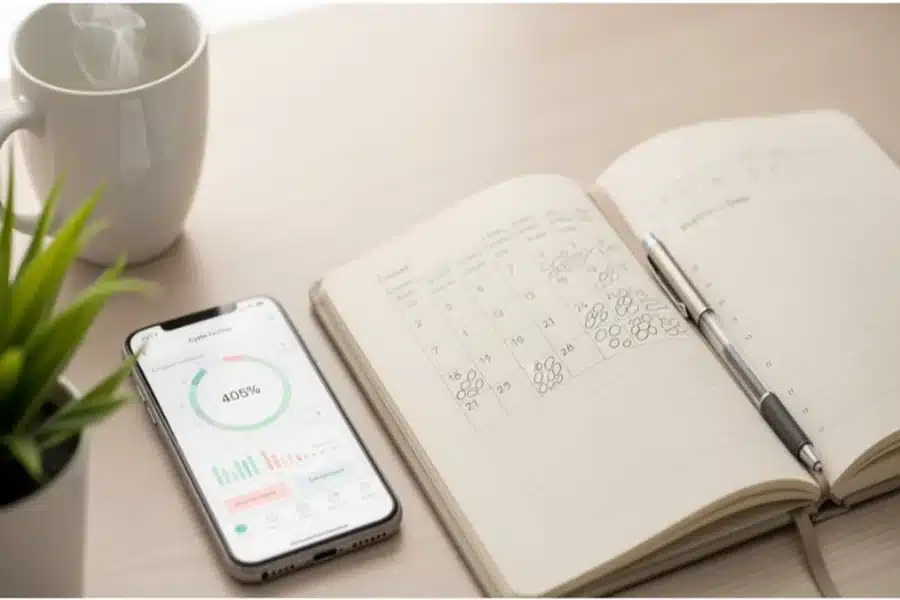
There are lots of easy tools available for tracking your menstrual cycle. Apps like Clue let you enter your period dates, symptoms, and mood, helping you see patterns over time. This makes it easier to guess when certain feelings or symptoms might show up.
If you prefer, writing in a journal or marking a paper calendar can work just as well. The main thing is to keep logging your symptoms and feelings every day so you can look back and notice what’s repeating.
Seeing Your Physical and Emotional Patterns
The more you track, the more you’ll notice what’s typical for you each month. For example, you may always feel more creative a week after your period or get tired and impatient before your period starts.
Seeing these patterns lets you expect them and prepare, instead of being surprised each time. It’s an ongoing process of getting to know yourself better and planning ahead for what you need.
Sharing Your Needs With Others
Learning about your own cycle also makes it easier to talk to friends, family, partners, or coworkers about how you feel at different times.
For example, you can ask for more quiet or help during your period, or let people know you might be less patient during PMS. This encourages understanding and removes some of the shame about talking about periods, making it normal and easier for everyone.
Challenging Stereotypes and Shame About Periods and Self-Care
Correcting False Ideas About Periods and Productivity
For many years, people have seen periods as something that makes you less productive. This isn’t true. Different parts of the cycle bring out different strengths.
Some days are best for action and communication; others are best for resting and getting ready for what’s next. Taking breaks, especially during your period, isn’t lazy-it recharges you for future work and creativity. Honoring these cycles leads to better and more lasting productivity.
Ending Shame and Making Cycle Talk Normal
Shame and silence about periods has stopped many people from speaking up and getting support for their struggles. Tracking your cycle can help you feel better about your own body and make it easier to talk honestly about periods.
Sharing your experience helps others too, breaking the silence around periods and moving culture toward more openness and kindness. When people are open about their cycles, it becomes clear that periods are normal and should be discussed and respected, not hidden away.
How To Make Menstrual Cycle Awareness a Habit
Tips To Get Started and Keep Going
- Pick a tracking style you like: an app, a regular notebook, or a calendar.
- Start by marking down the first day of your period each month.
- Every day, write down short notes about how you feel, your energy, sleep, appetite, and mood.
- Don’t worry about being perfect-small, regular notes are enough.
- After a couple of months, you’ll start to spot patterns and know when you might need different self-care.
- This practice is for insight, not control. Be gentle with yourself as you build this habit.
Finding Support for Your Menstrual Cycle Journey
You don’t have to figure out menstrual cycle awareness on your own. There are online groups, books, and workshops to help you. You can join a community of people also tracking their cycles and share stories, tips, or questions.
Authors like Alexandra Pope and Sjanie Hugo Wurlitzer offer helpful books and classes for learning about all the ways the cycle affects you. Some programs are even available through healthcare or community support.
If you’re dealing with tough emotions, therapy can also help you sort through how your cycle affects your mood. Using these resources and connecting with others can make menstrual cycle awareness an easy and lasting part of your self-care.